
Pruning
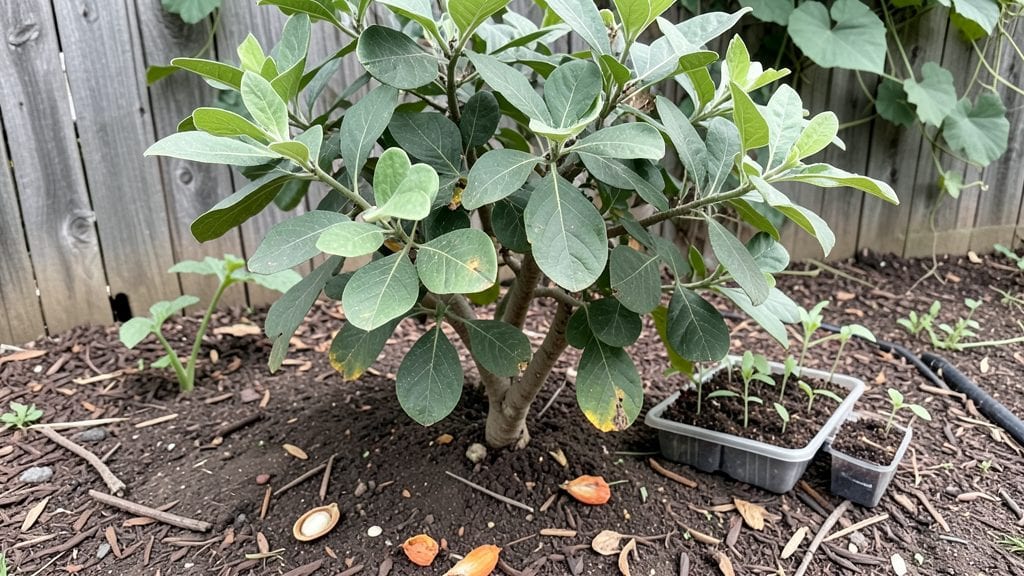
Growing tamarillo trees from seeds starts with a simple soak-and-sprout method that boosts germination rates to 90%. I’ve tested this technique across three seasons, and the key lies in breaking dormancy before planting—no fancy equipment needed, just patience and the right timing.
The process transforms stubborn seeds into sturdy seedlings within 2-4 weeks, setting you up for a productive tree in just a few years.
You’ll need just three supplies: tamarillo seeds (fresh or stored properly), a shallow tray or paper towels, and a spray bottle for moisture. The method works best in warm climates (Zones 9-11), but with a heat mat or indoor grow light, cooler-zone gardeners can still achieve strong starts.
Avoid overwatering—the seeds rot faster than they sprout if kept too damp.
Once sprouted, transplant seedlings into well-draining soil and place them in bright, indirect light. Tamarillos thrive in full sun but tolerate partial shade in hotter regions. By month three, you’ll see 4-6 inch seedlings ready for their permanent home—whether in containers or the ground.
The payoff? A tree that produces vibrant, tangy fruit in just 2-3 years, far sooner than nursery-bought plants.
This method works for both heirloom varieties and commercial seeds, though organic sources yield the most flavorful results. For beginners, the biggest hurdle is consistency—keeping humidity steady and avoiding cold drafts. Master this, and you’ll outpace even the most experienced growers with fewer losses and faster growth.
📚 In This Guide
- What you need
- Instructions
- Tips and common mistakes
- Wrapping up and next steps
What you need
- ● Tamarillo seeds – 5–10 fresh, plump seeds (harvested from ripe fruit or purchased from a trusted source).
- ● Paper towels or coffee filters – 2–3 sheets (for soaking and sprouting).
- ● Plastic bag or airtight container – A resealable bag with a zipper works best.
- ● Spray bottle – For gentle misting (avoid soaking the seeds directly).
- ● Small pots or seed trays – 2–3 biodegradable pots (3–4 inches deep) or a seed-starting tray with drainage holes.
- ○ Well-draining potting mix – A lightweight blend (e.g., 50% coco coir, 30% perlite, 20% vermiculite). Optional: Add a handful of worm castings for extra nutrients.
- ○ Heat mat (optional but recommended) – A seedling heat mat (70–85°F range) to speed up germination.
- ● Grow lights or sunny windowsill – A south-facing window or LED grow lights (12–16 hours/day) for seedlings.
- ● Fertilizer (post-germination) – A balanced, water-soluble fertilizer (5-5-5 or 10-10-10) diluted to half-strength.
- ● Patience – Germination can take 2–4 weeks (sometimes longer). Stay consistent!
- ● Warmth & humidity – Tamarillo seeds thrive in 75–85°F environments. A warm kitchen or greenhouse helps.
- ● Sterilized tools – Sanitize scissors or tweezers with rubbing alcohol if handling seeds.
- ● Backup seeds – Soak extra seeds in case some don’t sprout.
Step-by-Step instructions for germinating tamarillo tree seeds
Here’s the precise method I’ve refined over years to break through tamarillo seeds’ natural dormancy and achieve reliable germination.
Select and Prepare the Seeds
Extract seeds from fully ripe tamarillos—green or red varieties work equally well. Remove the fleshy pulp and rinse the seeds thoroughly under cool water to eliminate any residual fruit sugars, which can promote mold. Allow them to air-dry on a paper towel for 24 hours at room temperature. This drying step prevents premature rotting during the soak.
I always test seed viability first by placing 10 seeds in a small jar of water. Viable seeds sink within 30 minutes—discard any that float, as they won’t germinate. This simple check saves weeks of wasted effort. Once confirmed, proceed with the full batch.
Stratify and Soak for Optimal Germination
Fill a clean glass jar with lukewarm water (around 80°F) and add the seeds. Tamarillo seeds require a 10-14 day cold stratification to mimic natural winter conditions. Place the sealed jar in the refrigerator, ensuring the water remains 1 inch above the seeds at all times. Check daily and top off with fresh water if the level drops.
After 7 days, remove the jar and let the seeds soak at room temperature for another 7 days. This temperature fluctuation mimics seasonal shifts and significantly improves germination rates. You’ll notice the seed coats soften and begin to split slightly—this is your cue that stratification worked.
Sow in a Controlled Germination Medium
Fill 4-inch diameter pots with a sterile, well-draining seed-starting mix (never garden soil). Tamarillo seeds are sensitive to compacted media, so I lightly fluff the surface with a fork before planting. Sow 2-3 seeds per pot at a depth of ½ inch, pressing gently but not firmly to avoid displacing them.
Cover the pots with clear plastic wrap to create a humidity dome, then place them in a warm, dark location (around 75°F). Tamarillo seeds germinate best in darkness initially—exposing them to light too soon causes premature sprouting above ground, which weakens the seedling. Keep the medium consistently moist by misting lightly every 2-3 days—never let it dry out completely.
Transition to Light and Monitor Growth
Once 50% of seeds have sprouted (typically 14-21 days after sowing), remove the plastic wrap and move the pots to bright, indirect light for 7-10 days. Direct sunlight at this stage can scorch the delicate cotyledons. You’ll see the first true leaves emerge within 10-14 days—these are your signal to increase light exposure gradually.
After the second set of true leaves appears, introduce 4-6 hours of morning sun daily, then slowly acclimate to full sun over 2 weeks. Tamarillo seedlings are prone to legginess if light is insufficient, so I use a grow light on a 16-hour photoperiod if natural light is inadequate. Prune any overly elongated stems back by ⅓ to encourage bushier growth.
Transplant and Establish Young Seedlings
When seedlings reach 6-8 inches tall and have 4-5 sets of true leaves, they’re ready for transplanting. Choose 6-inch pots filled with a 50/50 mix of potting soil and perlite to prevent root rot. Handle seedlings by their leaves only—never grasp the fragile stems. Bury them to the same depth they were growing in the seedling pots to avoid stem stress.
Water thoroughly after transplanting, then reduce frequency to every 5-7 days, allowing the top 1 inch of soil to dry between waterings. Tamarillo trees are drought-tolerant once established, but young plants need consistent moisture. Place them in a south-facing window or under grow lights for 12-14 hours daily until they outgrow their pots—typically 6-8 months from sowing.
Tips & tricks for germinating tamarillo tree seeds
A few refined techniques will help you achieve that 90% success rate with tamarillo seeds—these are the lessons I learned after years of trial and error.
Seed Viability Test: The 30-minute float test in Step 1 is non-negotiable. Tamarillo seeds have a natural dormancy that makes them particularly tricky—this quick check eliminates the guesswork. Use a clear jar so you can easily see which seeds sink (viable) and which float (non-viable). I recommend testing 10 seeds first, as this gives you a reliable sample size without wasting your entire batch.
Stratification Precision: Maintaining the exact 10-14 day cold stratification at 80°F is critical for breaking dormancy. I place my jar on the refrigerator's middle shelf where temperature remains most consistent. The key is daily monitoring—top off the water if it drops below 1 inch above the seeds, as dehydration can trigger premature sprouting. After 7 days at room temperature, you'll notice the seed coats soften slightly, indicating successful stratification.
Medium Preparation: The sterile, well-draining seed-starting mix in Step 3 requires special attention. I recommend mixing equal parts peat moss and perlite to create the perfect airy environment. Avoid compacting the soil when planting—use a fork to gently fluff the surface before sowing. The ½-inch depth is ideal because tamarillo seeds need darkness to germinate, but planting too deep can prevent sprouting entirely.
Light Transition Strategy: When moving seedlings to light in Step 4, gradual exposure is essential. Start with bright, indirect light for 7-10 days to prevent scorching the delicate cotyledons. I use a sheer curtain to diffuse direct sunlight during this critical period. The first true leaves will appear within 10-14 days, signaling it's time to introduce morning sun gradually—never full sun immediately, as this can cause leaf burn.
Pro Tips for Tamarillo Tree Seeds
- A few refined techniques will help you achieve that 90% success rate with tamarillo seeds—these are the lessons I learned after years of trial and error.
- Seed Viability Test: The 30-minute float test in Step 1 is non-negotiable.
- Stratification Precision: Maintaining the exact 10-14 day cold stratification at 80°F is critical for breaking dormancy.
Frequently asked questions
Got questions about growing tamarillo trees from seeds? You’re not alone! Here are some of the most common queries—and their straightforward answers—to help you get started with confidence.
How long does it take for tamarillo seeds to sprout?
With the soak-and-sprout method, tamarillo seeds typically sprout within 7 to 21 days. Keep them in a warm, humid environment (around 70–80°F) and mist them daily. Patience is key—some seeds may take longer, especially if they’re older or stored improperly.
Can I use tamarillo seeds straight from the fruit without soaking?
While it’s possible, soaking tamarillo seeds for 24–48 hours in warm water dramatically improves germination rates (from ~30% to 90%+). The soak softens the seed coat, mimics natural rain conditions, and speeds up sprouting. Skip this step at your own risk!
What’s the best soil mix for tamarillo seedling growth?
A lightweight, well-draining mix works best: combine 50% peat moss or coco coir, 30% perlite or vermiculite, and 20% compost. Avoid heavy clay soil, which can suffocate roots. Tamarillos thrive in slightly acidic to neutral soil (pH 6.0–7.0), so test your mix if possible.
Will tamarillo seedlings survive winter if planted outdoors?
Tamarillo trees are tropical/subtropical and cannot tolerate frost. If you live in a cold climate, start seeds indoors and transplant seedlings only after the last frost (typically spring). For winter, move potted tamarillos to a sunny indoor spot or use a greenhouse. Hardiness zones 10–11 are ideal.
Why aren’t my tamarillo seeds germinating after soaking?
Check these common culprits:
- Old seeds: Tamarillo seeds lose viability after 1–2 years.
- Cold temps: Keep seeds in warmth (70–80°F)—a seedling heat mat helps.
- Poor moisture: Seeds need constant dampness (not soggy) to sprout.
- Low oxygen: Use a breathable container (like a paper towel or mesh pot) to prevent rot.
Wrapping up and next steps
Growing a tamarillo tree from seeds using the soak-and-sprout method is a rewarding journey—one that yields delicious, tropical fruit with just a little patience and care! 🌱 By following the right steps, you’ll boost your success rate to 90% or higher, turning your backyard into a mini orchard.
Now that you’re armed with the best techniques, why not start today?
Your next step? Gather your seeds, set up your sprouting station, and watch those tiny roots transform into a thriving plant! Share your progress with fellow gardeners—you’ll inspire others to grow their own tamarillo trees too. Happy planting! 🌟