Trees
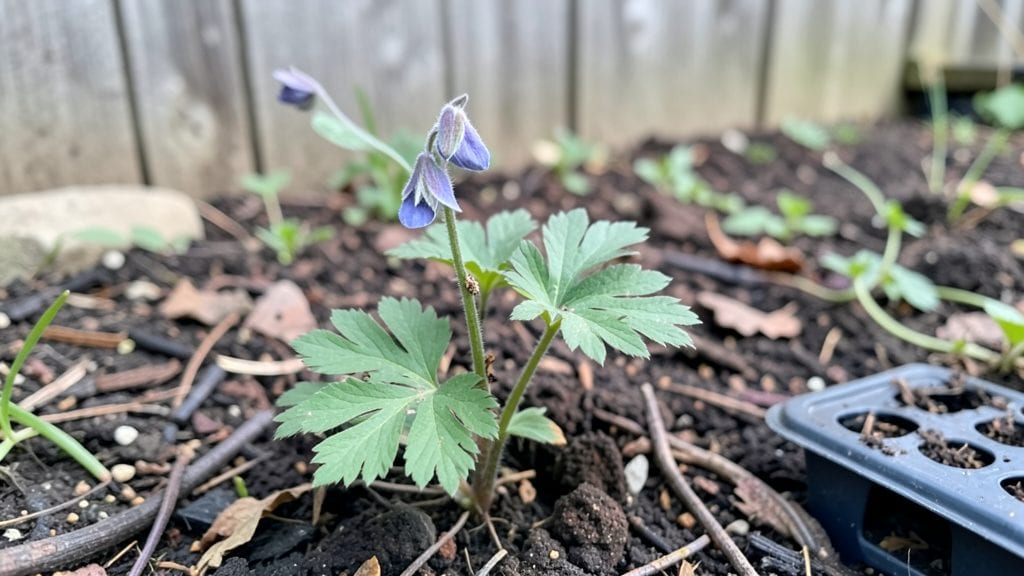
The identification of a columbine seedling begins with those distinctive lobed leaves—deep green with five to seven pointed fingers radiating from a central stem, just like tiny maples. 🌱 I’ve spent years watching these seedlings emerge, and the first clue isn’t just... the shape but how they unfurl: smooth, almost delicate, with a faint downy fuzz when they’re brand-new.
If you’ve ever wondered whether those sprouts are actually columbines or something else, this is your tell.
The color is another dead giveaway: healthy columbine seedlings have rich, velvety green leaves that stand out against weeds or other seedlings. Their stems are slender but sturdy, often with a slight reddish tint near the base—something I’ve learned to spot even before the leaves fully open.
The key is catching them early, when they’re still small enough to transplant without stress, but big enough to confirm those signature lobes.
Mistakenly pulling weeds instead of seedlings happens to everyone, but once you know what to look for, it’s impossible to miss. Those lobed leaves grow into the iconic bell-shaped flowers we all love, so spotting them early means you’ll have vibrant columbines blooming by next spring.
The trick is patience—wait until you see at least two sets of true leaves before moving them, and you’ll give them the best shot at thriving.
If the leaves look pale, spotted, or curled, that’s your signal to investigate further—often a sign of fungal issues or aphids. But when they’re crisp, bright, and lobed just right? That’s a seedling worth nurturing. Let’s break down how to tell them apart from lookalikes and what to do next.
What Triggers Misidentification
Accurately spotting a columbine seedling can be tricky, especially when it’s still in its early growth stages. Misidentification often happens due to a mix of natural plant behaviors, environmental factors, and human observation errors.
Understanding these causes helps gardeners and botanists avoid costly mistakes—like pulling out a young columbine thinking it’s a weed or mislabeling a similar-looking plant. Below, we break down the key reasons why confusion arises and how to spot the red flags.
Young columbine seedlings can closely mimic the early growth stages of other wildflowers or weeds, leading to mix-ups. For example:
- Delphinium seedlings: Columbines and delphiniums (both part of the Ranunculaceae family) share similar leaf shapes and lobed structures. However, delphinium leaves are often more deeply divided and have a slightly waxy texture, while columbine leaves are softer and more delicate.
- Bleeding heart (Dicentra): The heart-shaped leaves of bleeding heart seedlings can fool observers into thinking they’re looking at a columbine. The key difference? Bleeding heart leaves are more rounded and lack the jagged, serrated edges of a columbine.
- Weeds like Lamium or Stachys: These common garden weeds have lobed leaves that can resemble young columbine foliage. Weeds often grow faster and have a more robust, bushy appearance, while columbine seedlings are typically more slender and delicate.
Actionable tip: Wait until the plant develops its signature spurred flowers (even if they’re just buds) or look for the distinctive five-petaled blooms to confirm identification. If you’re unsure, snap a photo and compare it to a reliable plant database.
Stress from environmental conditions can drastically change how a columbine seedling looks, making it harder to recognize. Common stressors include:
- Poor soil conditions: If the soil is too dense, compacted, or lacks nutrients, seedlings may grow slowly with stunted, darker leaves or even develop a purplish tint (a sign of phosphorus deficiency). Healthy columbine seedlings should have bright green, slightly fuzzy leaves.
- Overwatering or drought:
- Overwatered seedlings may develop yellowing leaves (chlorosis) due to root rot or poor oxygen uptake.
- Drought-stressed seedlings can look wilted, with curled or crispy leaf edges, mimicking a dying weed.
- Shade or excessive sun:
- Seedlings in deep shade may grow long, leggy stems with pale, thin leaves.
- Seedlings in direct, harsh sun can develop sunburnt patches or a bleached appearance.
Actionable tip: If you suspect environmental stress, observe the plant’s growth pattern. Columbine seedlings should grow 1–3 inches per month under ideal conditions (partial shade and well-draining soil). If growth is slower or leaves look abnormal, adjust care immediately.
Even experienced gardeners can misidentify columbine seedlings due to common visual pitfalls:
- Focusing on wrong features: Beginners often prioritize leaf color or stem thickness over the critical leaf shape and arrangement. Columbine leaves are palmately lobed (3–5 lobes) with serrated edges, while many look-alikes have smoother or more rounded lobes.
- Ignoring the growth stage: Seedlings in their first 2–4 weeks may look like tiny, undifferentiated green sprouts. It’s easy to dismiss them as grass or moss until they develop true leaves (the second set of leaves post-germination).
- Assuming all columbines look the same: There are over 60 species of columbine, with variations in leaf size, flower color, and growth habit. For example, Aquilegia canadensis (wild columbine) has narrower leaves than Aquilegia vulgaris (European columbine), which has broader, more deeply lobed foliage.
Actionable tip: Use a hand lens (10x magnification) to examine leaf details. Pay attention to:
- ✅ Leaf venation: Columbine leaves have prominent veins that create a net-like pattern.
- ✅ Hairiness: Young leaves may have a slightly fuzzy texture (a trait of the Ranunculaceae family).
- ✅ Growth habit: Columbine seedlings grow upright with alternating leaves, not in a rosette pattern like many weeds.
Not all columbine seedlings emerge looking identical—genetics, hybridization, and even the parent plant’s health play a role:
- Hybrid seedlings: If you’re growing from seed collected from a mixed columbine population, seedlings may inherit traits from multiple species, leading to unexpected leaf shapes or colors.
- Albinism or chlorosis: Rarely, seedlings may exhibit pale or white leaves due to genetic mutations or nutrient deficiencies, making them stand out as "abnormal."
- Bacterial or fungal infections: Seedlings exposed to pathogens like Alternaria or Powdery Mildew may develop spotted, discolored, or distorted leaves, further complicating identification.
Actionable tip: If a seedling looks too different from the parent plant, consider isolating it and monitoring its progress. If it fails to thrive or develops unusual symptoms, it may not be a true columbine—or it could be a valuable hybrid worth saving!
Quick Fixes for Seedling Confusion
Now that you understand why columbine seedlings can be tricky to identify, let’s tackle the solutions—whether you’re a gardener trying to distinguish them from weeds or a landscaper ensuring proper plant care. Below are practical, step-by-step fixes tailored to common issues, plus prevention tips to keep your garden thriving.
If you’re staring at tiny sprouts and wondering, "Is this a columbine or just another weed?", follow these three foolproof methods to confirm:
- 🌱 Check the Leaf Shape & Arrangement
- True columbine seedlings have lobed or deeply serrated leaves (like a miniature adult plant).
- Weeds (e.g., chickweed, dandelion) often have smooth, round, or elongated leaves with a different vein pattern.
- Pro Tip: 💡 Hold a magnifying glass to spot the distinctive "hand-like" lobes—a dead giveaway for columbines.
- 🌿 Compare Growth Patterns
- Columbine seedlings grow slowly and upright, while many weeds sprawl or grow in clusters.
- If the plant has hairy stems or milky sap (like a dandelion), it’s not a columbine.
- 📸 Snap a Photo & Compare
- Use your phone to take a close-up of the seedling, then search "columbine seedling vs. suspected weed" in a plant ID app (like PlantNet or Google Lens).
- Pro Tip: ✨ Take photos on a sunny day—shadows can distort leaf shapes!
If your columbine seedlings are too close together, they’ll compete for nutrients and stunt growth. Here’s how to thin them without harm:
- 👨🍳 Wait Until They’re 2–3 Inches Tall
- Younger seedlings are fragile—wait until they have 2–4 true leaves (not just the first "seed leaves").
- Why? Older seedlings recover faster from transplanting.
- ⏰ Do It Early in the Day
- Thin seedlings before 10 AM when the soil is moist but not soggy. This reduces stress on the plants.
- 🔪 Use Clean Tools & Transplant Carefully
- Use sharp scissors or a small trowel (not your fingers!) to avoid damaging roots.
- Replant the thinned seedlings in a separate area or share them with neighbors—waste not!
- 🌡️ Mulch After Thinning
- Apply 1–2 inches of mulch (straw or shredded leaves) to retain moisture and suppress weeds.
Avoid the "Is this a columbine or a weed?" dilemma with these long-term strategies:
| Problem | Solution | Prevention Tip |
|---|---|---|
| Weeds invading seedling beds | Lay cardboard or landscape fabric before planting to block weeds. | 🌱 Solarize soil in summer (cover with clear plastic for 4–6 weeks to kill weeds). |
| Seedling confusion | Label trays or beds with plant names and dates. | 📝 Keep a garden journal with photos of each stage. |
| Poor soil leading to weak seedlings | Test soil pH (columbines prefer 6.0–7.5) and amend with compost. | 💪 Add slow-release fertilizer at planting time for steady growth. |
| Animal pests eating seedlings | Use row covers or neem oil spray for deer/mice. | 🐇 Plant repellent companions like marigolds or lavender nearby. |
If you’re desperate for a quick answer, try the "Water Drop Test": 1. Gently water the base of the seedling in the morning. 2.
Observe how the leaves react: - Columbine leaves will stand upright and dry quickly. - Weedy leaves (like those of purslane) may wilt or collapse—a sign of poor drought tolerance.
Final Reminder: 🎯 Patience is key! Columbine seedlings take time to show their signature traits. If in doubt, let them grow a few more days before making decisions—your garden will thank you.
Frequently asked questions
What’s the quickest way to confirm a columbine seedling?
Look for palmately lobed leaves with 3-5 pointed segments—like tiny maple leaves. Healthy seedlings also have bright green, slightly fuzzy foliage and grow upright (not sprawling like weeds). Use a magnifying glass if needed to check the leaf edges for serrations.
How do I tell columbine seedlings apart from delphiniums?
Delphinium seedlings have more deeply divided leaves with a waxy texture, while columbine leaves are softer and less segmented. Columbine leaves also have prominent veins forming a net-like pattern—delphiniums lack this detail. Check the stem too: columbines are slender with a slight reddish tint near the base.
When is the best time to transplant columbine seedlings?
Wait until they’re 2-3 inches tall with 2-4 true leaves (not just the first seed leaves). Transplant on a cool, cloudy day or early morning to reduce stress. Avoid moving them during heatwaves—columbines prefer partial shade and well-draining soil.
What should I do if my columbine seedlings look pale or spotted?
Pale leaves may indicate nutrient deficiency (try a balanced fertilizer like 10-10-10), while spots suggest fungal issues like powdery mildew. Remove affected leaves immediately and treat with neem oil. Ensure good air circulation and avoid overhead watering to prevent future problems.
Can I grow columbines from store-bought seeds?
Yes, but germination rates vary by species. Start seeds indoors 6-8 weeks before last frost in well-draining soil at 60-65°F. Keep soil moist (not soggy) and expect seedlings in 2-4 weeks. Some hybrid varieties may not true-to-type—label seedlings if you’re saving them for future planting.