Aphids
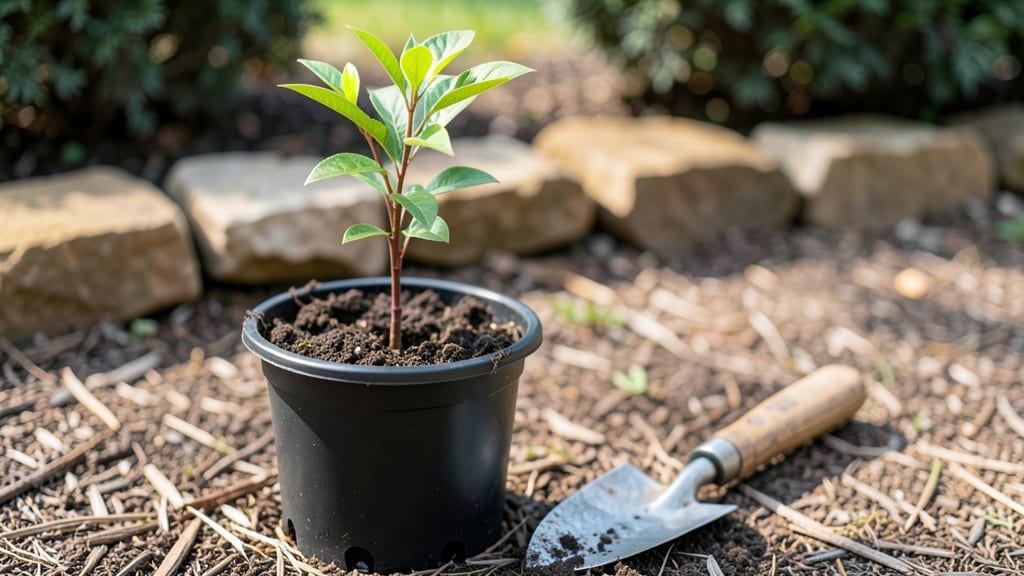
Starting crepe myrtle seedlings from seed gives you fragrant blooms and drought-proof privacy that nursery plants can't match. 🌿 I've grown dozens from seed, and the difference in hardiness and fragrance is shocking—these aren't your average store-bought shrubs.
The secret lies in mimicking their native Southern conditions right from the start, which means warm soil, patience, and knowing exactly when to push them out of doors.
You'll need a warm spot (70-80°F soil temps), a mix of sand and peat moss for drainage, and a humidity dome to keep those tiny seedlings from drying out.
Most beginners rush the germination phase, but holding back just a little pays off—seeds take 3-6 weeks to sprout, and forcing them along usually backfires. Once they crack through the soil, you'll want bright indirect light until they're sturdy enough for direct sun.
The payoff comes in summer when your seedlings burst into clusters of lavender, pink, or white blooms that smell like a Southern summer evening. These plants handle drought like champs once established, and their peeling bark adds winter interest.
With proper spacing (8-12 feet apart), you'll create a living screen that thrives where other plants struggle.
This method works best in Zones 6-10, but even cooler climates can grow them in containers and overwinter indoors. The key is starting early—indoors by late winter—and giving them consistent moisture without soggy soil. Ready to grow your own fragrant privacy screen?
📚 In This Guide
- What you need
- Instructions
- Tips and common mistakes
- Wrapping up and next steps
What you need
- ● Crepe myrtle seeds – 10–20 seeds (or 1–2 seedlings from a nursery for faster growth).
- ● Well-draining potting mix – 5–10 gallons (look for a blend labeled for drought-resistant plants or add perlite/sand for aeration).
- ● Containers – 6–12 individual pots (4–6 inches deep) or a seed-starting tray with drainage holes.
- ● Drainage trays or saucers – To catch excess water and prevent root rot.
- ● Grow lights or sunny windowsill – A south-facing window or LED grow lights (12–16 hours/day for seedlings).
- ● Misting bottle or watering can – With a fine rose nozzle for gentle watering.
- ● Fertilizer – A balanced, water-soluble fertilizer (5-10-5 or 10-10-10) or compost tea for organic growth.
- ● Pruning shears – Small, sharp pair for trimming leggy seedlings later.
- ● Garden gloves – To protect your hands from soil and sap.
- ● Seed-starting heat mat – Speeds up germination (70–75°F is ideal).
- ● Humidity dome or plastic wrap – Keeps moisture in while seeds germinate.
- ● Soil moisture meter – Ensures you’re not over- or under-watering.
- ● Epsom salt – A pinch (1 tsp/gal of water) boosts magnesium for lush foliage.
- ● Pest control spray – Neem oil or insecticidal soap (just in case aphids or spider mites visit!).
- ● Stakes or tomato cages – For supporting seedlings as they grow taller.
Step-by-Step instructions for growing crepe myrtle seedlings
Here's how to nurture sturdy, fragrant crepe myrtle seedlings ready for your privacy screen.
🌱 Step 1: Prepare the Planting Site or Containers
Crepe myrtles thrive in well-draining soil, so choose a location with full sun exposure (at least 6-8 hours daily). If planting directly in the ground, till the top 12 inches of soil to loosen it and remove any weeds or debris. For container growing, use a 5-gallon pot per seedling with drainage holes—these trees grow fast and need room to develop strong roots.
I always mix in a handful of compost or aged manure into the planting hole or soil mix. This boosts nutrients without overwhelming young roots. Avoid heavy clay soil—amend it with 1 part sand to 3 parts soil if needed. The goal is soil that feels slightly gritty when squeezed but holds moisture without staying soggy.
💧 Step 2: Plant Seeds at the Right Depth and Water Gently
Crepe myrtle seeds need light to germinate, so don’t bury them deep. Scatter seeds on the prepared soil surface, pressing them just enough to make contact—about ⅛ inch deep at most. Space seeds 6 inches apart if planting multiple in a row, as seedlings will need room to grow before transplanting. Cover lightly with a thin layer of soil or vermiculite to protect them from drying out.
Water immediately after planting with a gentle spray until the soil feels evenly moist to 2 inches deep. Avoid soaking the seeds—you’ll see them sprout in 14-21 days if conditions are right. Keep the soil consistently moist (not soggy) during germination. A humidity dome or plastic wrap helps retain moisture, but remove it once sprouts appear to prevent fungal issues.
☀️ Step 3: Provide Sun and Prune for Strong Growth
Once seedlings emerge, move them to a location with full sun right away. Crepe myrtles are drought-tolerant but grow best with plenty of light—you’ll notice leggy, weak stems if they’re shaded. If growing indoors before transplanting, place them near a south-facing window or under a grow light for 12-14 hours daily.
Pinch back the tips of seedlings when they reach 6-8 inches tall to encourage bushier growth. This step is key for privacy screens—thicker stems mean stronger plants that handle wind and heat better. Water deeply once a week (or when the top 2 inches of soil feel dry) to establish deep roots. Avoid overhead watering to prevent fungal diseases.
✂️ Step 4: Transplant and Mulch for Long-Term Health
When seedlings reach 12-18 inches tall (usually after 3-4 months
Apply a 2-inch layer of mulch (like pine straw or wood chips) around the base, keeping it 6 inches away from the trunk to prevent rot. Mulch conserves moisture and regulates soil temperature, which is especially helpful in drought-prone areas. Water deeply twice a week for the first month after transplanting to help roots establish. Crepe myrtles bloom on new wood, so prune in late winter or early spring to shape your privacy screen. Remove any dead, diseased, or crossing branches first, then trim back to 12-18 inches from the ground to encourage thick, bushy growth. Avoid heavy pruning in fall—it stimulates new growth that won’t harden off before winter. Fertilize lightly in early spring with a balanced 10-10-10 fertilizer to support blooming. These trees are low-maintenance once established—just water during prolonged dry spells (they’re drought-tolerant but look best with consistent moisture). You’ll see fragrant summer blooms in 2-3 years, making your privacy screen both functional and beautiful.🌿 Step 5: Prune and Care for Fragrant Blooms
Tips & tricks for perfect crepe myrtle seedlings
Here's what I've learned from nurturing these fragrant privacy screen stars—little details that make all the difference between leggy saplings and sturdy, blooming beauties.
Soil Texture is Everything: When amending clay soil in Step 1, don't just eyeball the sand-to-soil ratio. Grab a handful of the mix and squeeze it—it should hold together but crumble when you poke it. Too tight? Add more sand. Too loose? Mix in extra compost. This gritty texture prevents waterlogging while holding moisture for those critical first weeks. I've seen seedlings drown in soil that felt dry on the surface because of poor drainage.
Germination Timing Secret: The 14-21 day germination window in Step 2 can feel like forever, but consistency is key. I set a reminder to check moisture every other day—soil should feel like a damp sponge, not a wrung-out washcloth. If your kitchen's humid, you might see sprouts in 10 days. In dry climates, it could take the full 3 weeks. The moment you see those first green tips, remove any plastic wrap immediately to prevent fungal issues.
Light Matters More Than You Think: That 12-14 hours of grow light in Step 3 isn't just about photosynthesis—it's about preventing those sad, stretched seedlings. If you notice stems growing taller than they are wide, you're not giving them enough light. Rotate your containers daily so all sides get equal exposure. For outdoor seedlings, move them to sunnier spots gradually over a week to avoid shock from direct afternoon sun.
Transplanting Strategy: When your seedlings hit 12-18 inches in Step 4, don't rush the transplant. Water them thoroughly the day before moving to reduce shock. And here's a pro move: Dig your permanent planting holes a week ahead of time. This lets the soil settle and eliminates air pockets around roots. The extra week also gives you time to adjust the hole size if you realize it's too small or too deep.
Pro Tips for Crepe Myrtle Seedling
- Here's what I've learned from nurturing these fragrant privacy screen stars—little details that make all the differen...
- Soil Texture is Everything: When amending clay soil in Step 1, don't just eyeball the sand-to-soil ratio. Grab a hand...
- Germination Timing Secret: The 14-21 day germination window in Step 2 can feel like forever, but consistency is key. ...
Frequently asked questions
Got questions about growing crepe myrtle seedlings? You’re not alone! Here are answers to the most common concerns—from timing to troubleshooting—so you can nurture a thriving privacy screen with confidence.
How long does it take for crepe myrtle seedlings to grow into a privacy screen?
With proper care, crepe myrtle seedlings can reach 6–10 feet tall in 3–5 years, depending on the variety. Fast-growing types like Natchez or Tonto may close gaps quicker, while slower growers like Arapaho take a bit longer. Plant in clusters 3–6 feet apart for a denser screen faster!
When is the best time to plant crepe myrtle seedlings?
Spring (after last frost) or early fall are ideal—avoid planting in extreme heat or cold. Seedlings need time to establish roots before summer droughts or winter freezes. If planting in fall, do it 6–8 weeks before the first frost for best results.
Are crepe myrtle seedlings prone to pests, like aphids? If so, how do I prevent them?
Yes! Aphids, scale, and powdery mildew can target seedlings. Prevent issues by:
- Spraying seedlings with neem oil (diluted) every 2–3 weeks.
- Encouraging beneficial insects like ladybugs.
- Avoiding over-fertilizing with nitrogen (which attracts pests).
How often should I water crepe myrtle seedlings, especially in drought?
Water deeply 2–3 times per week for the first year, ensuring soil stays consistently moist but not soggy. Once established, they’re drought-tolerant, but mulch heavily (3–4 inches) to retain moisture. During heatwaves, water every 5–7 days unless rainfall exceeds 1 inch.
Can I grow crepe myrtle from seed, or should I buy seedlings?
While possible, growing from seed is slow (3–5 years for blooms) and lacks the disease resistance of grafted seedlings. For a privacy screen, buy 1–2 year-old seedlings from reputable nurseries—they’re hardier, faster-growing, and pre-screened for vigor. Pro tip: Look for ‘ Improved Creek’ or ‘Rapid Fire’ varieties for quicker results!
Why are my crepe myrtle seedlings turning yellow or dropping leaves?
Yellowing leaves often signal overwatering, underwatering, or nutrient deficiencies. Check soil moisture (stick your finger 2 inches down—if dry, water; if muddy, reduce). Lack of iron or nitrogen can cause yellowing too. Test soil pH (ideal: 5.5–6.5) and amend with compost or a balanced fertilizer if needed.
Wrapping up and next steps
Growing a crepe myrtle seedling into a stunning, drought-resistant privacy screen is a rewarding project that adds beauty and value to your landscape. With the right care—like proper spacing, consistent watering, and pest management—you’ll soon enjoy fragrant blooms and lush foliage that thrives even in tough conditions. 🌿
Ready to take the next step? Plant your seedling this season and watch it flourish into a vibrant, low-maintenance centerpiece for your yard. Whether you’re a beginner or a seasoned gardener, every small effort will pay off with big rewards!