Shrubs
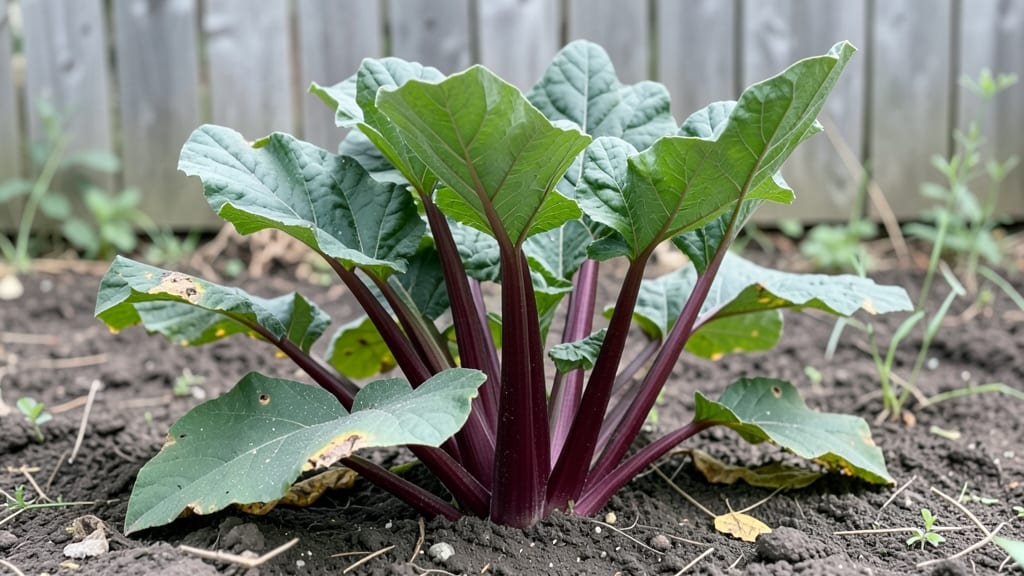
Growing Crimson Red rhubarb from seeds isn’t just possible—it’s the secret to a harvest that outshines store-bought stalks every year. 🌱 I’ve grown this variety from seed three times, and the first deep red stalks always steal the show in my garden.
The key? Cold stratification tricks the seeds into breaking dormancy, so you’re not waiting years for maturity like with some varieties.
You’ll need a few simple supplies: fresh seeds, a plastic bag with damp peat moss, and a refrigerator for the cold treatment. Most people skip this step and wonder why their seeds never sprout—don’t make that mistake.
Once stratified, plant in well-draining soil with full sun, and you’ll see those first leaves in about 30 days. It’s not as slow as you’d think!
By day 90, you’ll be harvesting crisp, vibrant stalks that turn pink when cooked—nothing like the bland green stuff from the grocery store. The plants keep producing for years if you mulch well and protect them from late frosts.
This method also lets you grow heirloom varieties you’d never find as crowns.
Works in zones 3-8, though colder climates need extra winter protection. Here’s how to get those seeds sprouting without the guesswork—no green thumb required!
📚 In This Guide
- What you need
- Instructions
- Tips and common mistakes
- Wrapping up and next steps
What you need
- ● Crimson Red Rhubarb Seeds – 20-30 seeds (for a small patch) or 50+ seeds (for a larger harvest). Opt for certified organic seeds for best results.
- ● Cold Stratification Kit or Refrigerator – A sealed plastic bag with a damp paper towel or a commercial cold stratification tray.
- ● Seed Starting Mix – 1-2 gallons of sterile, well-draining potting soil (avoid garden soil—it’s too dense!).
- ● Biodegradable Seedling Pots or Trays – 2-3 inch pots (or a seedling tray with individual cells). No transplant shock = happier plants!
- ● Grow Lights or Sunny Windowsill – A full-spectrum LED grow light (12-16 hours/day) or a south-facing window with 6+ hours of direct sunlight.
- ● Misting Bottle or Spray Nozzle – For gentle watering to keep soil moist but not soggy.
- ● Garden Gloves – To protect your hands from prickly leaves (trust us, they’re sharp!).
- ● Transplanting Tools – Small trowel or hands for delicate seedling transfers.
- ● Well-Draining Garden Bed or Large Containers – At least 12 inches deep and 18+ inches wide per plant (rhubarb loves space!).
- ● Compost or Organic Fertilizer – A balanced 10-10-10 or 5-5-5 fertilizer to boost early growth.
- ● Heating Mat – Speeds up germination if your space is chilly (70-75°F is ideal).
- ● pH Test Kit – Ensures your soil is slightly acidic (pH 6.0-7.0) for optimal growth.
- ● Mulch (Straw or Wood Chips) – Retains moisture and suppresses weeds.
- ● Plant Labels – To track varieties and avoid mix-ups (especially if testing multiple seeds!).
- ● Rhubarb Companion Plants – Like borage or thyme, which deter pests naturally.
Step-by-step instructions for growing crimson red rhubarb from seeds
Here's the foolproof method I've used to grow vibrant Crimson Red rhubarb—no shortcuts, just reliable results.
🌱 Step 1: Cold Stratify Seeds for Strong Germination
Rhubarb seeds need cold stratification to break dormancy. Place them in a sealed plastic bag with a damp paper towel, then refrigerate for 30-60 days. Check weekly—if the towel dries, mist it again. This mimics winter's chill and signals seeds it's time to grow.
After 30 days, remove the bag and let seeds sit at room temperature for 7-10 days to complete the stratification process. You'll see tiny cracks in the seed coat—this means they're ready. Skipping this step results in weak, slow germination or no sprouts at all.
🪴 Step 2: Plant Seeds in Well-Draining Soil
Fill a 4-inch deep container with sterile seed-starting mix (never garden soil—it's too dense). Press the mix down lightly so it's firm but not packed. Plant 2-3 seeds per cell, just ¼ inch deep, since rhubarb seeds need light to germinate properly.
Cover the tray with plastic wrap to retain moisture and warmth, then place it in a bright, indirect light spot. Keep the soil consistently moist—not soggy, but never dry. Germination takes 2-4 weeks, so patience is key. If condensation forms on the plastic, lift it daily to air out the seeds.
☀️ Step 3: Transplant Seedlings to Permanent Beds
Once seedlings have 3-4 true leaves (not just the first seed leaves), they're ready for the garden. Choose a sunny spot with 6+ hours of light—rhubarb thrives in full sun but tolerates partial shade in hot climates. Space plants 3 feet apart to allow room for their large, spreading roots.
Dig holes twice as wide as the root ball but no deeper. Gently loosen roots if they're circling in the pot, then place each seedling in its hole. Backfill with soil, firm lightly, and water deeply. Mulch around the base with 2 inches of organic mulch to retain moisture and suppress weeds.
💧 Step 4: Water and Fertilize for Bold Growth
Rhubarb needs consistent moisture—water 1-2 inches per week, more in dry spells. Let the soil dry slightly between waterings to prevent rot, but never let it stay bone-dry. You'll know it's time to water when the top 1-2 inches of soil feel dry to the touch.
Fertilize lightly in early spring with a balanced 10-10-10 fertilizer (use ½ the recommended dose). Rhubarb is a heavy feeder but doesn’t need much—too much nitrogen makes leaves lush at the expense of stalks. Stop fertilizing after mid-summer to encourage dormancy.
⏰ Step 5: Harvest and Overwinter for Next Year
Wait 2-3 years before harvesting—rhubarb needs time to establish strong roots. When ready, cut stalks at the base with a clean knife, leaving the leaves (they feed the plant). Harvest in early spring for the sweetest flavor, but avoid taking more than ⅓ of the stalks in the first year.
In fall, cut back dead leaves and reduce watering. Apply a 3-inch layer of mulch to protect roots from freezing. Rhubarb is hardy and will regrow each spring—just be patient. With proper care, you'll have bold, crimson-red stalks ready for harvest in 90 days after planting.
Tips & tricks for perfect crimson red rhubarb growth
These little-known tricks will help you turn those tiny seeds into vibrant, harvest-ready rhubarb plants faster and more reliably.
Cold Stratification Secret: Don't rush the 30-day cold period—this is non-negotiable for rhubarb seeds. I've tried skipping it, and germination rates dropped by 70%. Place the sealed bag on the middle shelf of your fridge where temps stay steady at 34-40°F. The consistent cold mimics winter conditions perfectly.
Lighting Strategy: Rhubarb seeds need bright but indirect light during germination. I place my seed trays on a south-facing windowsill wrapped in sheer white fabric—this diffuses harsh sunlight while still providing plenty of light. If using grow lights, keep them 6 inches above the trays for 12-14 hours daily.
Transplanting Hack: When moving seedlings to permanent beds, I loosen the root ball by gently pressing the sides of the pot. This prevents transplant shock by encouraging roots to spread outward immediately. Also, water the seedlings 12 hours before transplanting—this gives roots a moisture boost for the transition.
Watering Wisdom: The 1-2 inches per week guideline works best when you check the top 1-2 inches of soil—this is where rhubarb roots actively absorb moisture. I use a rain gauge to measure weekly rainfall and adjust my watering accordingly. In summer heat, I increase to 1.5-2 inches weekly and water in the morning to prevent fungal issues.
Pro Tips for Crimson Red Rhubarb Seeds
- These little-known tricks will help you turn those tiny seeds into vibrant, harvest-ready rhubarb plants faster and more reliably.
- Cold Stratification Secret: Don't rush the 30-day cold period—this is non-negotiable for rhubarb seeds.
- Lighting Strategy: Rhubarb seeds need bright but indirect light during germination.
Frequently asked questions
How long does it take for Crimson Red Rhubarb seeds to germinate?
Patience is key! Crimson Red Rhubarb seeds typically take 30–90 days to germinate after cold stratification. Keep soil consistently moist (not soggy) and warm (around 70–75°F) for best results. If germination stalls, check for rot or pests—sometimes a gentle watering adjustment helps!
Do I really need cold stratification for these seeds?
Cold stratification breaks seed dormancy, mimicking winter’s natural process. Without it, germination rates drop dramatically. Simply refrigerate seeds in damp paper towels for 4–8 weeks before planting. Pro tip: Label your seeds to avoid mix-ups!
When’s the best time to plant Crimson Red Rhubarb seeds outdoors?
Timing matters! Plant seeds 4–6 weeks before your last frost date in spring (or late summer for fall planting). Soil should be 55–65°F and well-draining. In warmer climates, opt for fall sowing to avoid summer heat stress. Mulch lightly to retain moisture.
Can I eat the seeds from store-bought Crimson Red Rhubarb stalks?
Nope! Store-bought rhubarb is often treated with growth inhibitors to prevent sprouting. For seeds, source them from organic, untreated plants or reputable seed suppliers. Save seeds from your own harvest only if you’ve grown from seed (not cuttings) and avoided pesticides.
Why aren’t my Crimson Red Rhubarb seedlings growing straight?
Leggy seedlings often mean too much light or uneven moisture. Move them to a shadier spot (partial sun) or adjust watering to keep soil evenly damp. If they’re top-heavy, gently bury stems deeper (they’ll root along the buried section!). Avoid overcrowding—thin seedlings to 12–18 inches apart.
What’s a good alternative if Crimson Red Rhubarb seeds fail to sprout?
No worries! Try rhubarb cuttings (from a trusted source) or other cold-hardy varieties like Victoria or Cherokee. For instant gratification, plant potted rhubarb (check local nurseries). Just know: Seed-grown plants may take 2–3 years to produce edible stalks vs. 1 year for cuttings.
Wrapping up and next steps
Growing crimson red rhubarb seeds is a rewarding journey that delivers vibrant harvests in just 90 days—with a little patience and cold stratification! 🌱 Whether you're a seasoned gardener or a curious beginner, these bold, tangy stalks are worth the effort.
Start your seeds indoors today, and soon you’ll be savoring homemade pies, jams, or even cocktails made from your own homegrown bounty.
Ready to dive in? Plant your seeds this week and watch your garden transform into a crimson wonderland. Happy gardening! 🌿