
Vegetables
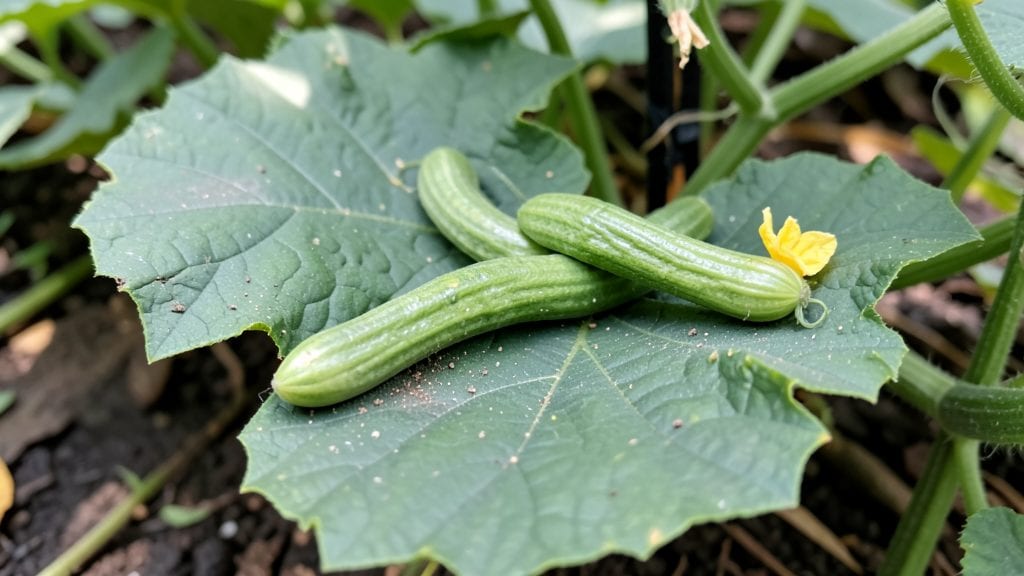
Growing snake cucumber seeds unlocks a year-round harvest of those crisp, snake-shaped fruits that disappear from stores by summer’s end. 🌱 I’ve grown them in every season—even winter—and the key isn’t fancy equipment but timing, soil, and a little patience.
These cucumbers thrive when treated like vines, not bushes, and they reward you with tender, seedless fruit for months.
The secret starts with warm soil—wait until nighttime temps stay above 55°F before planting, or use a black plastic mulch to speed things up. Snake cucumbers need 6-8 hours of sun daily and soil that drains well but holds moisture.
I swear by a 50/50 mix of compost and garden soil to keep them happy without fuss. Once seeds sprout in 7-14 days, give them room to sprawl—these vines can stretch 10+ feet if you let them.
What you’ll love most? No bitter peel and fruit that stays crisp even when overripe. They’re perfect for salads, stir-fries, or snacking straight off the vine. Early challenges—like powdery mildew or weak stems—disappear once you master proper spacing and consistent watering at the base (not the leaves).
By midsummer, you’ll have a lush, productive vine that keeps giving until frost.
Works in containers (with trellises) or ground beds, and they’re drought-tolerant once established. The real magic? Two plantings—one in spring, one in late summer—means fresh cucumbers from May through October (or longer in warm zones). Let’s get those seeds in the ground!
📚 In This Guide
- What you need
- Instructions
- Tips and common mistakes
- Wrapping up and next steps
What you need
- ● Snake cucumber seeds: 50–100 seeds (depending on desired yield; opt for heirloom or organic varieties for best results).
- ● Growing containers or garden bed: For containers: 5–10 gallon pots with drainage holes (1–2 plants per pot).
- ● For garden beds: Well-draining soil, full sun (6+ hours/day), and space for vines to spread (3–6 feet in length).
- ● Potting mix or garden soil: Lightweight, fertile mix (add compost for nutrients).
- ● Trellis or support structure: 6–8 foot tall stakes, netting, or cages to train vines vertically.
- ● Watering can or hose with gentle spray: For consistent moisture without damaging seedlings.
- ○ Organic fertilizer (optional but recommended): Balanced 10-10-10 or compost tea for nutrient boosts.
- ● Hand trowel or small shovel: For planting seeds and transplanting seedlings.
- ● Pruning shears: To trim excess vines or dead leaves.
- ● Mulch (straw or shredded leaves): To retain soil moisture and suppress weeds.
- ● Spray bottle (for seedlings): For misting young plants to prevent wilting.
- ○ Gloves (optional): To protect hands while handling soil or prickly vines.
- ● Warmth: Snake cucumbers thrive in temperatures between 70–90°F (21–32°C). Start seeds indoors 4–6 weeks before the last frost or sow directly after soil warms.
- ● Sunlight: Full sun exposure is a must—partial shade may reduce yields.
- ● Patience: Germination takes 7–14 days; consistent care pays off with long, productive vines!
How to plant snake cucumber seeds for maximum yield
Here’s the method I’ve used to grow snake cucumbers reliably—whether you’re aiming for summer vines or winter greenhouse production.
🌱 Step 1: Prep Seeds and Soil for Optimal Germination
Soak snake cucumber seeds in warm water for 12 hours to soften the outer shell and speed up germination. This step cuts waiting time from 10-14 days to just 5-7 days. Use a small bowl—just enough water to cover the seeds completely. Drain and let them sit in a damp paper towel overnight before planting.
Fill 4-inch pots with sterile seed-starting mix (never garden soil—it’s too dense and can harbor diseases). Moisten the mix until it’s damp like a wrung-out sponge. Press it down gently to remove air pockets, then make a ¼-inch-deep hole with your finger. Place 2-3 seeds per pot—you’ll thin to the strongest sprout later.
☀️ Step 2: Provide Warmth and Light for Fast Sprouts
Snake cucumbers need consistent warmth to germinate. Place pots in a seedling heat mat set to 75-80°F or on top of your fridge (the motor keeps it warm). Cover the pots with clear plastic wrap to trap humidity—just remove it for 10 minutes daily to prevent mold. Check for sprouts after 3-5 days.
Once seedlings emerge, move them to a south-facing window or under grow lights for 14-16 hours of light daily. Without enough light, they’ll stretch leggy and weak. You’ll know they’re getting the right amount when leaves are dark green and compact, not pale and spaced far apart.
🪴 Step 3: Transplant When Strong Enough for the Garden
After 4-6 weeks, when seedlings have 3-4 true leaves and are 3-4 inches tall, harden them off by placing them outside in partial shade for 1-2 hours the first day. Gradually increase exposure over 7-10 days until they’re out all day. This toughens their stems so they don’t snap when vines start climbing.
Choose a sunny spot with at least 6 hours of direct light and well-draining soil. Snake cucumbers thrive in loamy, fertile soil with a pH of 6.0-6.8. Bury the seedling deeper than the pot—up to the first set of leaves—to encourage strong root growth. Space plants 12-18 inches apart in rows 3 feet apart for proper airflow.
✂️ Step 4: Train Vines and Maintain for Continuous Harvests
Snake cucumbers are vigorous climbers, so install a trellis or strong fence at planting. Gently weave vines through the structure as they grow—never force them or you’ll break tender stems. Prune side shoots to focus energy on 1-2 main vines per plant, which produces longer, straighter cucumbers.
Water deeply at the base every 2-3 days, aiming for 1 inch of water per week. Let the soil dry slightly between waterings—consistent moisture prevents bitter fruit. Mulch with 2-3 inches of straw to retain moisture and suppress weeds. Harvest when cucumbers reach 12-18 inches long—they’ll keep growing if left on the vine!
Tips & tricks for strategic snake cucumber planting
These battle-tested strategies will help you maximize your snake cucumber harvest year-round, whether you're starting seeds indoors or extending the growing season.
Seed Prep Precision: The 12-hour soak is non-negotiable—this critical step softens the seed coat and speeds germination from 10-14 days to just 5-7 days. Use a small bowl with just enough warm water to cover the seeds completely, then drain thoroughly. I've found that adding a drop of liquid seaweed fertilizer to the soak water gives seedlings a nutritional boost right from the start.
Temperature Control: Maintaining that 75-80°F range during germination makes all the difference. If your home stays cooler than 70°F, use a seedling heat mat—snake cucumbers won't germinate well below 65°F. I've even placed pots on top of refrigerators (the motor keeps it warm) when heat mats weren't available. The key is consistency—fluctuations slow germination and can lead to uneven sprouting.
Light Optimization: Those 14-16 hours of daily light are essential for preventing leggy seedlings. If your south-facing window doesn't provide enough light, supplement with grow lights positioned 6 inches above the seedlings. I've seen plants stretch to 12 inches tall when light was insufficient—this weakens stems and makes them more prone to breaking during transplanting. Rotate pots daily for even growth.
Transplanting Technique: Burying seedlings deeper than their original pots—up to the first set of true leaves—encourages strong root development. This technique works particularly well for snake cucumbers, which have vigorous root systems. I've found that plants treated this way produce vines that are 20-30% stronger and more resilient to wind. Just be gentle when handling the delicate stems during transplanting.
Pro Tips for Snake Cucumber Seeds
- These battle-tested strategies will help you maximize your snake cucumber harvest year-round, whether you're starting seeds indoors or extending the growing season.
- Seed Prep Precision: The 12-hour soak is non-negotiable—this critical step softens the seed coat and speeds germination from 10-14 days to just 5-7 days.
- Temperature Control: Maintaining that 75-80°F range during germination makes all the difference.
Frequently asked questions
Got questions about growing snake cucumbers? You’re not alone! Here are answers to the most common queries to help you succeed with your year-round harvest.
When is the best time to plant snake cucumber seeds?
Snake cucumbers thrive in warm soil, so plant seeds after the last frost when temperatures stay above 60°F (15°C). In mild climates, you can start seeds indoors 4-6 weeks before transplanting. For year-round harvests, stagger plantings every 2-3 weeks during the growing season.
How long does it take for snake cucumber seeds to germinate?
Germination typically takes 7–14 days in warm, moist soil (70–90°F or 21–32°C). Keep seeds consistently damp but not soggy, and place them in a sunny spot. If germination takes longer, check soil moisture and warmth—cool conditions can delay sprouting.
Can I grow snake cucumbers in containers?
Snake cucumbers are perfect for containers—they’re vining but compact. Use a 5-gallon pot or larger with drainage holes and a trellis. Ensure the container gets 6+ hours of sunlight daily and water regularly to keep soil moist. Just avoid overcrowding!
What should I do if my snake cucumber plants get pests?
Common pests like aphids, cucumber beetles, or spider mites can target snake cucumbers. Start with neem oil or insecticidal soap for mild infestations. For beetles, use row covers early in the season. Remove heavily damaged leaves and encourage beneficial insects like ladybugs to keep pests in check.
Do snake cucumbers need full sun, or can they tolerate partial shade?
While snake cucumbers prefer full sun (6+ hours daily), they can tolerate 4–6 hours of sunlight in hot climates. In partial shade, expect slower growth and fewer fruits. If growing in shade, prioritize well-draining soil and consistent watering to support healthy vines.
Wrapping up and next steps
Growing snake cucumber seeds is your ticket to a thriving, low-maintenance garden with year-round harvests! Whether you're a seasoned gardener or just starting out, these versatile vines deliver delicious, nutritious fruits with minimal effort.
With the right soil, spacing, and care, you’ll enjoy crisp, flavorful cucumbers for months—and maybe even inspire neighbors to try their own!
Ready to dive in? Start by gathering your seeds and a sunny spot in your garden or containers. Then, follow the steps above to plant confidently. Happy growing—and here’s to your first bountiful harvest! 🌱💚