
Vegetables
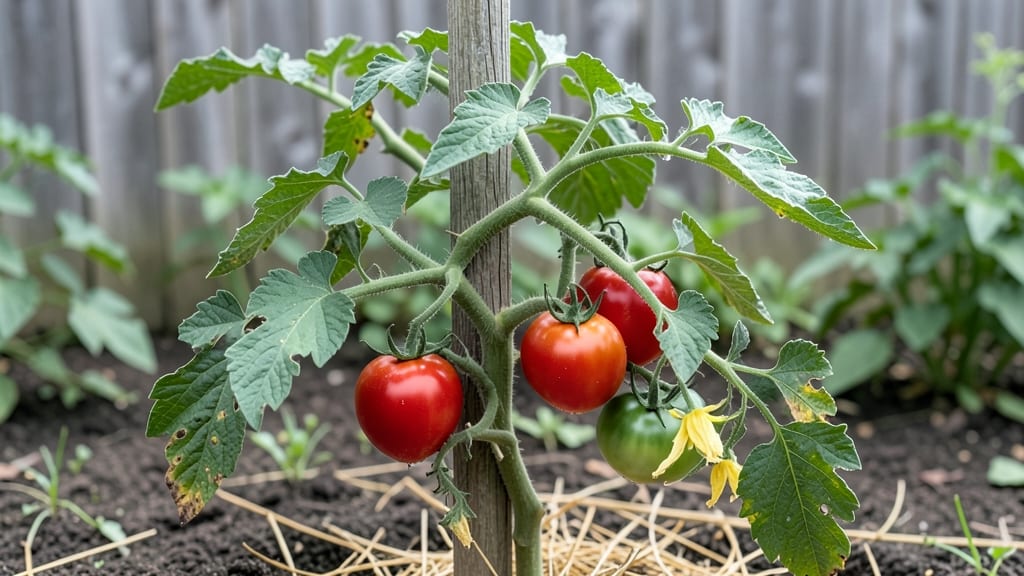
Growing steakhouse tomato seeds transforms your garden into a flavor powerhouse—juicy, meaty slices that taste like they belong on a restaurant plate. 🌱 I’ve grown dozens of heirloom varieties, but these stand out because their thick walls and deep sweetness make them perfect for slicing, not just sauce.
The secret isn’t fancy techniques—it’s patience, the right soil mix, and knowing when to let them ripen on the vine.
You’ll need a sunny spot with at least 6-8 hours of direct light daily, well-draining soil rich in organic matter, and sturdy cages or stakes to support their 3-4 foot vines.
Start seeds indoors 6-8 weeks before your last frost, then transplant seedlings when nighttime temperatures stay above 55°F. Water consistently at the base—never overhead—to prevent cracks and diseases that ruin those prized slices.
By midsummer, you’ll be harvesting pound-after-pound of tomatoes with flavors so bold they’ll make store-bought taste like cardboard. The key is letting them fully ripen on the vine—the deeper the red, the sweeter the flesh.
Even a small plant can produce 20-30 pounds if given proper care, and the taste? Pure restaurant-quality at home.
Works in containers or in-ground, in zones 3-10, and even on balconies if you choose dwarf varieties. The only challenge? Resisting the urge to pick them too early. Trust me—waiting for that perfect color is worth every second.
📚 In This Guide
- What you need
- Instructions
- Tips and common mistakes
- Wrapping up and next steps
What you need
- ● Steakhouse tomato seeds – Purchase a packet of heirloom or hybrid seeds (e.g., Steakhouse, Brandywine, or Beefsteak varieties). Aim for 10-20 seeds per plant if you want multiple tomatoes.
- ● Seed-starting mix – A lightweight, sterile potting soil blend (avoid garden soil—it’s too dense!). A 10-quart bag is ideal for 4-6 seed trays.
- ● Seed trays or biodegradable pots – Use 2-3 inch deep trays or pots (cell packs work great!). A 10-pack is perfect for starting multiple plants.
- ● Grow lights or sunny windowsill – Seedlings need 12-16 hours of light daily. A full-spectrum LED grow light (like a 24-inch bar) is ideal for indoor starts.
- ● Spray bottle – For gentle watering (a 16-ounce misting bottle works best).
- ○ Heat mat (optional but helpful) – Keeps soil warm (70-80°F) for faster germination. A 10x20-inch mat covers most trays.
- ● Fertilizer – A balanced, water-soluble fertilizer (5-5-5 or 10-10-10) for transplanting. A 1-pound container lasts multiple seasons.
- ● Stakes or cages – 5-6 foot tall tomato cages or bamboo stakes to support plants as they grow. 4-6 units should suffice for a small garden.
- ● Humidity dome or plastic wrap – Speeds up germination by trapping moisture.
- ● pH testing kit – Ensures soil pH is 6.0-6.8 (tomatoes thrive in slightly acidic soil).
- ● Compost or worm castings – Boosts soil fertility for healthier plants.
- ● Pruning shears – For trimming suckers and shaping plants as they grow.
- ● Garden journal – Track planting dates, watering schedules, and growth progress!
Step-by-step guide to growing seedless steakhouse tomatoes
Here’s how to cultivate those prized seedless tomatoes with restaurant-quality heft and flavor.
🌱 Step 1: Select and Prepare the Right Seeds
Start with hybrid seed varieties labeled as "steakhouse" or "beefsteak" types—these are bred for large fruit and thick flesh. I always opt for seedless varieties like 'Black Krim' or 'Brandywine,' which deliver that meaty texture without the fibrous centers. Soak the seeds overnight in lukewarm water to soften their outer coating, which speeds up germination by breaking dormancy.
After soaking, spread the seeds on a paper towel to dry slightly—just enough to handle them without sticking. This ensures they won’t clump when planting. I like to plant them in biodegradable peat pots filled with sterile seed-starting mix to avoid disturbing roots later. Press each seed ¼ inch deep into the soil, then cover lightly with a fine mist of water.
☀️ Step 2: Provide Warmth and Light for Germination
Germination thrives at 75-85°F, so place your pots on a seedling heat mat if your home runs cooler. Without one, germination may take 10-14 days instead of the usual 7-10 days. Keep the soil consistently moist—never soggy—by covering the tray with a clear plastic dome or plastic wrap. This traps humidity while allowing light to penetrate.
Once the first true leaves appear (those are the second set after the initial cotyledons), remove the dome immediately. Trapped moisture encourages damping-off, a fungal disease that collapses seedlings overnight. Position a grow light 2-4 inches above the seedlings for 14-16 hours daily. You’ll know they’re getting enough light when the stems stay thick and leaves are a vibrant green—not pale or stretched.
🪴 Step 3: Transplant and Support for Maximum Growth
After 4-6 weeks, when seedlings have 3-4 true leaves, transplant them into 5-gallon containers or directly into the garden. Steakhouse tomatoes need deep roots and plenty of space—crowding leads to weak stems and smaller fruit. Bury the stem halfway up the root ball to encourage stronger root development below the soil line.
Install a sturdy tomato cage or stakes immediately. These varieties grow 3-5 feet tall and produce 1-2 pound fruits, so support prevents stems from snapping under the weight. Use an organic, slow-release fertilizer at planting to fuel early growth, then side-dress with compost every 4-6 weeks to maintain vigor.
💧 Step 4: Water and Prune for Optimal Fruit Development
Water deeply once weekly, aiming for 1-2 inches of moisture per week. Steakhouse tomatoes hate inconsistent watering—it causes blossom-end rot or cracked fruit. Always water at the base, avoiding the leaves to prevent fungal diseases like early blight. You’ll know your watering is right when the soil feels dry to the touch 1-2 inches down before the next watering.
Prune suckers (the small shoots that form in the leaf axils) regularly to direct energy into fruit production. I remove all but the first 2-3 main stems and prune leaves below the first flower cluster to improve airflow. This ensures larger, seedless tomatoes with fewer internal seeds—exactly what you’d expect from a steakhouse slice.
✂️ Step 5: Harvest at Peak Ripeness for Best Flavor
Harvest when tomatoes reach full color and yield slightly to gentle pressure. Seedless varieties like these ripen more uniformly than heirlooms, so you won’t find a mix of green and red on the vine. Use pruning shears to cut stems ¼ inch above the fruit to avoid damaging the plant. Store harvested tomatoes at 55-65°F for up to 2 weeks—they’ll continue ripening off the vine.
Here’s the thing—these tomatoes are worth the wait. A perfectly ripe seedless steakhouse tomato should have a dense, meaty texture with minimal juice and no fibrous seeds. Slice one open and you’ll see why chefs and home gardeners alike swear by them: thick walls, rich flavor, and that restaurant-quality experience, right in your own garden.
Tips & tricks for growing perfect seedless steakhouse tomatoes
These game-changing insights will help you cultivate tomatoes that rival any restaurant's offerings—meaty, seedless, and packed with flavor.
Seed Selection Matters: Not all seedless varieties are created equal. While 'Black Krim' and 'Brandywine' deliver exceptional results, consider 'Cherokee Purple' for even deeper color and flavor complexity. I've found that heirloom seedless varieties often produce fruit with slightly thicker walls than hybrids, though they may require more consistent care. Always source seeds from reputable suppliers to ensure true seedless characteristics—some "seedless" labels in seed catalogs can be misleading.
Germination Temperature Control: Maintaining that 75-85°F range is critical during germination. If your home runs cooler, invest in a seedling heat mat—it's the difference between seedlings popping up in 7-10 days versus dragging out to 14 days. Pro tip: Place your seed trays on top of your refrigerator during the day when it's naturally warmer, then move them to a cooler spot at night to prevent overheating. The goal is consistent warmth without creating a sauna effect.
Lighting Strategy for Strong Seedlings: Those 14-16 hours of daily light are non-negotiable for robust growth. If using a grow light, adjust the height every 5-7 days—start with 2 inches above the seedlings, then raise to 4 inches as they grow. Pale, leggy seedlings mean insufficient light, while crispy leaf edges indicate the light is too intense. I've seen seedlings go from vibrant green to crispy in just 24 hours when the light was too close, so monitor closely.
Transplanting Technique: When it's time to transplant after 4-6 weeks, handle seedlings by their leaves rather than the stems to prevent damage. The key is burying the stem halfway—this might seem counterintuitive, but it encourages deeper root development that supports those 1-2 pound tomatoes. I've found that seedlings transplanted this way develop roots along the buried stem, creating a stronger support system for the plant's later growth.
Pro Tips for Steakhouse Tomato Seeds
- These game-changing insights will help you cultivate tomatoes that rival any restaurant's offerings—meaty, seedless, and packed with flavor.
- Seed Selection Matters: Not all seedless varieties are created equal.
- Germination Temperature Control: Maintaining that 75-85°F range is critical during germination.
Frequently asked questions
Got questions about growing steakhouse tomatoes from seed? You’re not alone! Here are answers to the most common queries to help you cultivate these juicy, seedless beauties like a pro.
How long does it take for steakhouse tomato seeds to germinate?
Steakhouse tomato seeds typically sprout in 7–14 days under ideal conditions (warmth, moisture, and darkness). Keep soil consistently moist but not soggy, and place your seed tray in a warm spot (70–85°F). Patience is key—some seeds may take a little longer, especially if your home is cooler.
What’s the best temperature for growing steakhouse tomatoes?
These tomatoes thrive in warmth, both for germination and growth. Aim for 60–70°F (15–21°C) during the day and 55–60°F (13–16°C) at night. If temps drop below 50°F (10°C), growth slows, and fruit development suffers. Use row covers or a greenhouse if you’re in a cooler climate.
Can I grow steakhouse tomatoes in containers?
Steakhouse tomatoes are perfect for containers if you choose the right size. Use a pot at least 5 gallons with drainage holes and a sturdy trellis or cage (they can grow 3–6 feet tall). Just ensure the container stays consistently moist and gets 6+ hours of sunlight daily.
What if my steakhouse tomatoes develop seeds inside?
Even heirloom or seedless varieties can sometimes produce seeds due to pollination (wind, bees, or even your fingers!). If this happens, you can still enjoy the fruit—just remove the seeds before eating. To prevent it, try hand-pollinating with a paintbrush or grow them in a protected cage away from other tomato plants.
Are steakhouse tomatoes easy to grow for beginners?
They’re moderately easy but require a little extra care compared to bush varieties. Key tips: start seeds indoors early, provide rich, well-draining soil, and prune suckers for better airflow. If you’re new, consider starting with one plant and focus on consistent watering and sunlight—you’ll get the hang of it!
Wrapping up and next steps
Growing steakhouse tomato seeds is your ticket to juicy, seedless perfection—no more soggy bites or messy cleanup! These flavor-packed tomatoes are a game-changer for home gardeners, offering restaurant-quality taste with minimal fuss.
Whether you’re a seasoned gardener or a curious beginner, the key is patience, proper care, and a little love for your plants.
Ready to elevate your garden? Start with those seeds today! Grab your supplies, follow the steps, and soon you’ll be savoring steakhouse-worthy tomatoes straight from your backyard. Happy growing! 🌱🍅