Propagation
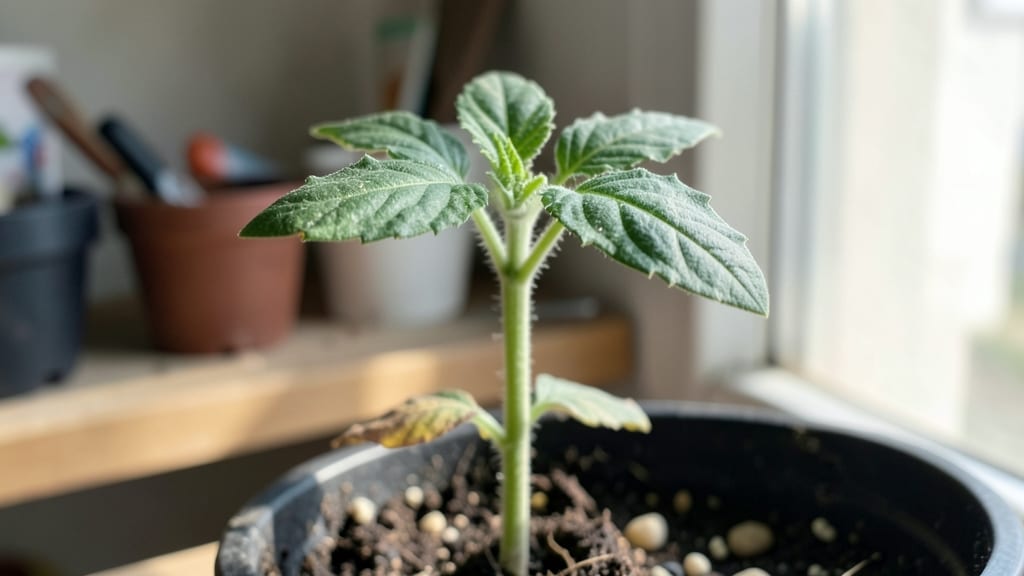
Grow a sturdy early jalapeno seedling with these easy tricks that halve germination time and stop weak, leggy growth. I’ve grown hundreds of peppers, and the difference between a thriving starter and a sad, stretched-out seedling comes down to two weeks of precise care—not luck.
The right soil temperature, moisture balance, and light exposure turn those first sprouts into stocky, bushy plants ready for transplanting in record time.
Most gardeners overlook how critical the first 72 hours are—those tiny seeds need warmth (around 75°F) and consistent dampness, not soggy soil. I use a seedling heat mat and a spray bottle to keep conditions perfect, and within 5-7 days, you’ll see those first true leaves pushing through.
The key? Don’t rush the light—wait until seedlings have 2-3 sets of leaves before introducing grow lights or moving them outdoors.
By the time you’re hardening off seedlings, they’ll be thicker than a pencil and ready to handle the great outdoors. No more wilting transplants or stunted growth—just robust plants that take off running once in the ground.
The payoff? A harvest of bold, flavorful jalapeños starting 6-8 weeks earlier than store-bought plants.
Works for any variety—jalapeños, serranos, or even bell peppers—and adapts to windowsills or greenhouse setups. Let’s get those seeds sprouting strong!
Root Causes Of Premature Growth
When your early jalapeno seedlings seem to sprout too fast—or worse, bolt before you’re ready—it’s usually a sign that something in their environment is off. Understanding these triggers helps you adjust conditions to keep plants healthy and productive. Here’s why premature growth happens, broken down by the most common culprits:
Jalapenos are tropical plants, but they’re also short-day varieties, meaning they bolt (flower prematurely) when day lengths increase and temperatures rise too quickly. Here’s how it plays out:
- Daytime heat spikes: If seedlings experience consistent temps above 85°F (29°C) during the day, they may interpret this as a signal to rush into flowering. This is especially true if nights stay warm too—ideal jalapeno temps hover around 70–80°F (21–27°C) during the day and 60–70°F (15–21°C) at night.
- Cold snaps followed by heat: A sudden shift from chilly nights (<50°F/10°C) to scorching days can shock the plant into thinking it’s time to reproduce. This is common in unheated greenhouses or outdoor plantings during spring transitions.
- Root zone overheating: Dark containers (like black plastic pots) or direct sunlight on soil can cause the root ball to exceed 90°F (32°C), sending stress signals that mimic bolting conditions.
💡 Pro Tip: Use a soil thermometer to monitor root-zone temps. If it’s creeping above 85°F (29°C), move seedlings to partial shade or use reflective mulch (like white gravel) to reduce heat absorption.
Jalapenos are photoperiod-sensitive, meaning they respond to the length of daylight. Too much light—or the wrong quality of light—can trick them into bolting:
- Extended daylight hours: If seedlings get more than 14 hours of light daily (common in summer or under grow lights left on too long), they may bolt. This is why indoor growers often struggle—artificial lights can unintentionally stretch day length.
- Low-light stress: Conversely, weak or inconsistent light (e.g., cloudy days or seedlings too far from a light source) can cause etiolation—long, leggy stems that then bolt when exposed to sudden strong light.
- Blue light deficiency: LED grow lights with too much red and not enough blue (<400–500 nm) can accelerate flowering. Blue light suppresses bolting by keeping plants in a vegetative state.
🌱 Actionable Fix:
- For outdoor seedlings: Use shade cloth (30–50%) to reduce daylight hours to 12–13 hours max.
- For indoor growers: Use a 14-hour light/10-hour dark cycle and ensure your grow lights have a blue spectrum (20–30% of total output).
Water and nutrients don’t just fuel growth—they directly influence hormonal signals that trigger bolting. Here’s how:
| Issue | Why It Causes Bolting | Fix It |
|---|---|---|
| Overwatering | Excess moisture dilutes nutrients and creates anaerobic soil, stressing roots. The plant releases ethylene gas, a flowering hormone. | Let the top 1–2 inches of soil dry between waterings. Use well-draining mix (60% peat/40% perlite). |
| Underwatering | Drought stress causes abscisic acid (ABA) buildup, a hormone that signals maturity—even in seedlings. | Keep soil consistently moist (like a wrung-out sponge). Use drip irrigation for precision. |
| High Nitrogen, Low Phosphorus | Too much nitrogen (N) promotes leafy growth, but when phosphorus (P) is low, the plant shifts energy to reproduction. A 10-10-10 or 5-10-10 fertilizer can trigger this. | Switch to a balanced or low-N fertilizer (e.g., 3-6-6) once seedlings have 2–3 true leaves. |
| Transplant Shock | Root disturbance (even gentle repotting) can spike ethylene production, accelerating bolting within 3–7 days. | Hardened-off seedlings 3–5 days before transplanting. Use root stimulator (like mycorrhizal fungi) to reduce stress. |
✨ Expert Hack: If you suspect nutrient imbalance, flush the soil with pH-balanced water (5.8–6.8) to reset mineral levels before fertilizing again.
Not all jalapeno seeds are created equal—and some are prone to bolting due to how they’re harvested or stored:
- Overripe or dried seeds: Seeds harvested from fully red jalapenos (instead of green) may have a higher tendency to bolt quickly because the plant was already shifting to reproductive mode.
- Old or improperly stored seeds: Seeds stored for more than 1–2 years or exposed to moisture fluctuations can have damaged embryos, leading to erratic, premature growth.
- Hybrid vs. heirloom traits: Some F1 hybrid jalapenos (like ‘Early Jalapeño’) are bred for fast germination but may bolt sooner than heirlooms like ‘Big Jim.’ Check your seed packet for days-to-maturity clues.
🔥 Solution: If you’re growing from saved seeds, harvest jalapenos when still green (but firm) and store seeds in a cool, dry place (50–60°F/10–15°C) with silica gel packets to prevent moisture damage.
Fixing Common Early Seedling Struggles
Now that you know the why behind early jalapeno seedling issues, let’s tackle the how—with practical, step-by-step fixes and prevention tips to keep your seedlings thriving. Whether your little peppers are leggy, moldy, or just refusing to grow, these solutions will get them back on track.
Cause: Stretched-out stems or pale leaves mean your seedlings aren’t getting enough light or are overheating.
How to Fix It: ✅ 🔥 Boost Light Immediately
- Move seedlings within 1–2 inches of a grow light (LED or fluorescent) for 14–16 hours daily. If using sunlight, place them in a south-facing window or use a reflective surface (like aluminum foil) to maximize light.
- Pro Tip: If stems are already weak, bury ⅔ of the seedling in soil to encourage stronger root growth (they’ll grow new roots along the buried stem!).
✅ 🌡️ Adjust Temperature & Humidity - Keep daytime temps between 70–80°F (21–27°C) and nights slightly cooler (60–65°F / 15–18°C).
Use a small fan on low to prevent damping-off (a fungal disease that causes seedlings to collapse). - Reduce humidity by spacing seedlings 1–2 inches apart and using a dehumidifier or opening vents slightly.
✅ 🍽️ Fertilize Lightly (But Correctly)
- Wait until seedlings have 2–3 true leaves before using a diluted, balanced fertilizer (like 5-5-5 or fish emulsion at ¼ strength). Over-fertilizing burns tender roots!
- Prevention: Start with sterile seedling mix (avoid garden soil) to prevent nutrient imbalances.
Cause: Too much moisture, poor airflow, or contaminated soil leads to fungal infections.
How to Fix It: ✅ 🧼 Clean & Disinfect
- Remove affected seedlings immediately (don’t compost them—toss in the trash to prevent spread).
- Sterilize trays and tools with a 10% bleach solution (1 part bleach to 9 parts water) or rubbing alcohol (70% isopropyl).
✅ 💨 Improve Air Circulation
- Space seedlings 1–2 inches apart and use a small fan on low (24/7) to dry moisture quickly.
- Prevention: Water only at soil level (avoid overhead watering) and use sterilized seed-starting mix (add perlite or vermiculite for drainage).
✅ 🌿 Natural Fungicides
- Spray seedlings with a baking soda solution (1 tsp baking soda + ½ tsp dish soap + 1 quart water) once a week as a preventative.
- For powdery mildew, try neem oil spray (1 tsp neem oil + 1 tsp mild soap + 1 quart water).
Cause: Tiny pests love young, tender seedlings and can stunt growth or transmit diseases.
How to Fix It: ✅ 🦟 Manual Removal First
- Aphids: Spray off with a strong stream of water or wipe with a soapy sponge (1 tsp mild soap per quart of water).
- Fungus gnats: Let the topsoil dry out completely between waterings and place yellow sticky traps near seedlings.
✅ 🌿 Organic Pest Control
- Neem oil spray (1 tbsp neem oil + 1 tsp soap + 1 quart water) every 5–7 days deters mites and gnats.
- Diatomaceous earth (food-grade) sprinkled lightly around seedlings kills crawling pests (reapply after watering).
✅ 🚫 Prevention Tips
- Inspect new plants before bringing them indoors.
- Use row covers if outdoor pests are an issue.
- Avoid overwatering—fungus gnats thrive in soggy soil!
Cause: Seedlings may not have enough nutrients or their roots are cramped.
How to Fix It: ✅ 🍲 Upgrade the Soil
- Gently transplant seedlings into slightly larger pots (2–3 inches deep) with fresh, well-draining mix (50% potting soil, 30% perlite, 20% compost).
- Prevention: Start with high-quality seed-starting mix (avoid cheap garden soil).
✅ 💪 Gentle Fertilizer Boost
- Use a low-nitrogen, high-phosphorus fertilizer (like 10-20-10) to encourage root and leaf growth.
- Warning: Never fertilize stressed seedlings—wait until they’ve recovered!
✅ 🌿 Check for Root Health
- If roots are black or mushy, they’re rotting—trim the bad roots and repot in fresh, dry mix.
- If roots are circling the pot, it’s time to transplant deeper to encourage downward growth.
Cause: Draughts, AC vents, or outdoor temperature fluctuations stress seedlings.
How to Fix It: ✅ 🏡 Control the Environment
- Keep seedlings away from drafts (windows, doors, vents).
- Use a seedling heat mat (set to 70–75°F) if nights are too cool.
- Prevention: Hardening off (gradually acclimating seedlings to outdoor temps) before transplanting.
✅ 🌿 Use Protective Barriers
- Place a clear plastic dome or row cover over seedlings if outdoor temps drop below 50°F (10°C).
- For heat stress, shade cloth (30–50%) can protect from intense midday sun.
Final Pro Tip: 💡 Keep a seedling journal! Track watering, light, and fertilizer schedules to spot patterns in what works (and what doesn’t). Happy growing—your bushy jalapeno plants are just a few tweaks away!
Frequently asked questions
How long does it take for jalapeno seeds to germinate?
Under ideal conditions—soil temperature of 75–85°F and consistent moisture—jalapeño seeds typically sprout within 5–14 days. Most gardeners see the first green shoots in 7–10 days when using a seedling heat mat. Keep the soil damp (not soggy) and avoid disturbing the seeds until germination occurs.
Why are my jalapeno seedlings turning yellow?
Yellowing leaves usually signal overwatering or nutrient deficiencies. Let the top 1–2 inches of soil dry between waterings and switch to a balanced fertilizer (5-5-5) once seedlings have 2–3 true leaves. Check for root rot by gently removing a seedling—healthy roots should be white, not brown or mushy.
Can I transplant jalapeno seedlings too soon?
Yes! Seedlings need 4–6 true leaves and a sturdy stem before transplanting. Harden them off by placing outdoors for 3–5 days (gradually increasing time) to avoid shock. Transplant on a cloudy day or in late afternoon to reduce stress. Bury stems deeper than they were in pots to encourage stronger root growth.
What’s the best light setup for early jalapeno seedlings?
Use a grow light (LED or fluorescent) placed 1–2 inches above seedlings for 14–16 hours daily. If using natural light, a south-facing window works, but supplement with artificial light if stems stretch (a sign of light deficiency). Avoid placing seedlings near cold windows—temps should stay above 60°F.
How do I prevent damping-off disease in my seedlings?
Damping-off is caused by fungal growth in overly moist soil. Improve airflow by spacing seedlings 1–2 inches apart and using a small fan on low. Water at soil level (not overhead) and use a sterilized seed-starting mix with perlite. If you spot mold, remove affected seedlings immediately and treat with a baking soda spray (1 tsp baking soda + ½ tsp soap per quart of water).