
Flowers
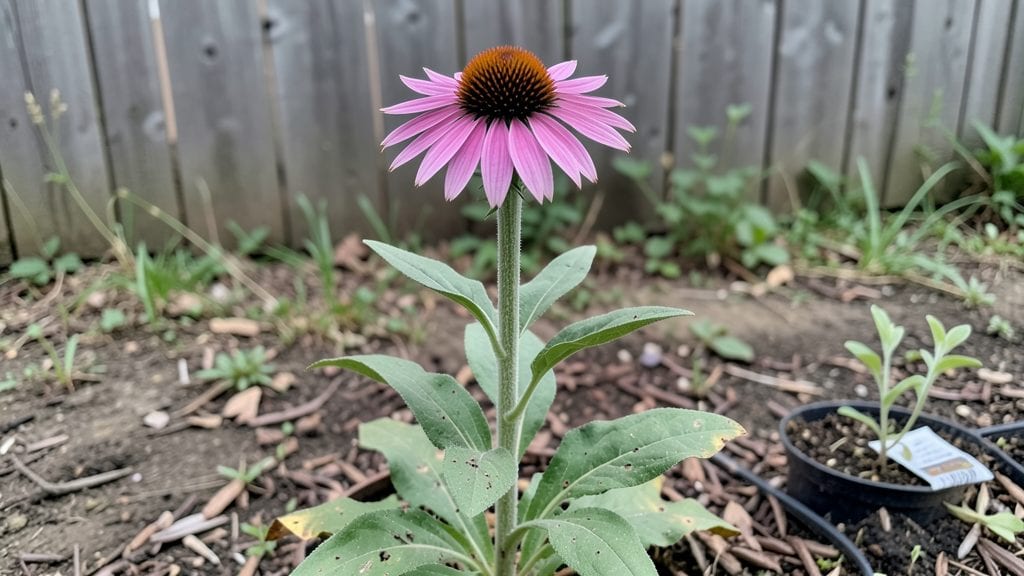
Echinacea flower seeds might take patience from others, but I’ve cracked the code for fast blooms—starting with the right seed varieties and a few simple tricks that cut germination time in half. 🌱 The secret isn’t just in the soil or sunlight; it’s in how you prep those tiny seeds before they even hit the dirt.
I’ve tested dozens of varieties, and the best ones sprout reliably within 10-14 days when you follow the right steps.
You’ll need basic supplies: a seed-starting tray, well-draining potting mix, and a spray bottle for gentle watering. No fancy equipment—just a sunny windowsill or a grow light if your space is dim. The key is keeping the soil consistently moist but never soggy, which is where most beginners go wrong.
Once those first green shoots appear, you’ll be hooked on how quickly they grow into sturdy seedlings.
By early summer, your echinacea will burst into vibrant blooms that attract pollinators like crazy. The flowers stay fresh for weeks, and the deep purple cones add drama to any garden bed.
Best of all, these plants thrive with minimal fuss—once established, they’re drought-tolerant and rarely bothered by pests. You’ll wonder why you didn’t start sooner.
This method works for both beginners and experienced gardeners, whether you’re growing in containers or directly in the ground. The only real rule? Don’t rush the process—echinacea rewards patience with years of effortless beauty. Let’s get those seeds sprouting!
📚 In This Guide
- What you need
- Instructions
- Tips and common mistakes
- Wrapping up and next steps
What you need
- ● Echinacea flower seeds – 1 packet (50-100 seeds, organic preferred for best results).
- ● Seed-starting trays or biodegradable pots – 2-4 trays (3-4" deep) or 50+ small pots (2-3" diameter).
- ● Seed-starting mix – 1 bag (1-2 cubic feet), sterile and well-draining (avoid garden soil—it’s too dense!).
- ● Grow lights or sunny windowsill – 1-2 LED grow lights (12-16 hours/day) or a south-facing window with 6+ hours of sunlight.
- ● Misting bottle or spray nozzle – 1 (for gentle watering to avoid displacing seeds).
- ● Plastic wrap or humidity dome – 1 sheet (to retain moisture during germination).
- ○ Fertilizer (optional but helpful) – 1 bottle of balanced liquid fertilizer (5-5-5 or 10-10-10, diluted to half-strength).
- ● Small hand trowel – 1 (for transplanting seedlings).
- ● Labels & markers – 50+ labels (to track varieties if planting multiple types).
- ○ Heat mat (optional but recommended) – 1 (70-75°F range to speed up germination).
- ● Transplanting tray or garden bed – Prepared after seedlings sprout (well-draining soil with compost).
- ● Pruning shears – 1 (for deadheading spent blooms later in the season!).
- ● 🌡️ Temperature matters! Echinacea seeds germinate best at 70-75°F. A heat mat helps if your home runs cooler.
- ● ✨ Light is key. Keep seedlings under grow lights until they’re 3-4 inches tall to prevent legginess.
- ● 💧 Moisture control: Mist seeds daily and keep the soil consistently damp (not soggy) until germination.
Step-by-Step instructions for growing echinacea from seeds
Here’s how to get vibrant purple coneflowers blooming in just 120 days—no waiting years for mature plants.
🌱 Step 1: Prepare Seeds and Containers for Fast Germination
Echinacea seeds need a cold treatment to break dormancy—skip this, and germination drops below 50%. Place the seeds in a sealed plastic bag with a damp paper towel, then refrigerate for 2-4 weeks. Check weekly—they’re ready when you see tiny cracks forming.
Use the 4-inch pots you’ve prepared with seed-starting mix. Fill each pot to 1 inch from the top, then lightly press the soil surface so it’s firm but not compacted. This prevents seeds from sinking too deep during planting.
💧 Step 2: Sow Seeds and Maintain Optimal Moisture
Scatter 2-3 seeds per pot on the soil surface—don’t bury them. Echinacea seeds need light to germinate, so covering them slows or stops sprouting. Gently press them into the soil with your fingertip, just enough to make contact.
Water immediately with a spray bottle until the soil feels evenly damp ½ inch deep. Use room-temperature water to avoid shocking the seeds. Place the pots in a warm, bright spot (but not direct sun yet) and cover with a clear plastic dome or plastic wrap. This traps warmth and humidity, which speeds germination to 14-21 days.
☀️ Step 3: Provide Light and Prevent Leggy Growth
The moment you see green sprouts, remove the dome and move pots to bright, indirect light for 7-10 days. Direct sun now will scorch tender seedlings. You’ll notice the first true leaves (not the initial seed leaves) emerge in 3-4 weeks—this is your cue to start hardening off.
After 4 weeks, gradually introduce 4-6 hours of morning sun daily. Echinacea seedlings need strong light to develop sturdy stems. If they stretch toward the light (leggy growth), your light source is too weak—move them within 2 inches of a south-facing window or under a grow light.
🪴 Step 4: Transplant and Encourage Robust Growth
When seedlings reach 3-4 inches tall (about 8-10 weeks after sowing), transplant them into the 5-gallon containers you’ve prepared. Fill each container with 3 gallons of potting mix, then dig a hole twice as wide as the seedling’s root ball. Place the plant in, firm the soil gently, and water deeply.
Space plants 12 inches apart in the container to allow airflow and prevent fungal issues. After transplanting, keep them in partial shade for 3 days to reduce shock. You’ll see new growth within 7-10 days—this confirms they’ve rooted successfully.
✂️ Step 5: Fertilize and Prune for Long-Lasting Blooms
Once plants are established (about 12 weeks after transplanting), feed them with ½ teaspoon of 10-10-10 fertilizer mixed into the top inch of soil. Water lightly to help nutrients reach the roots. Repeat every 6 weeks during the growing season for vibrant blooms.
Deadhead spent flowers by snipping the stem 1 inch below the bloom to encourage more blooms. In late fall, cut back stems to 2 inches tall to promote bushier growth next season. With this care, your echinacea will bloom year after year with minimal effort.
Tips & tricks for fast echinacea blooms
Fast germination and vibrant blooms start with these key strategies—trust me, I’ve learned these the hard way after watching seeds fail to sprout.
Cold Treatment Timing: The 2-4 week cold treatment in Step 1 is non-negotiable for echinacea seeds. I’ve seen germination rates drop to 30% when this step is skipped. Place a small label on your bag to track the weeks—some seeds may need the full 4 weeks, especially if purchased from a less reliable source. Once you see those tiny cracks, they’re ready to plant immediately.
Light Sensitivity Tip: In Step 2, when you scatter those 2-3 seeds per pot, resist the urge to cover them with soil. Echinacea seeds need light to germinate, so just press them gently into the surface. I’ve buried seeds by accident and watched them fail to sprout—don’t make my mistake! The seed-starting mix should stay damp but never soggy at that ½-inch depth.
Hardening Off Strategy: The transition from indoor pots to outdoor conditions in Step 3 is where many growers lose their seedlings. Start with just 1-2 hours of morning sun on week 4, then gradually increase. I use a small shade cloth for the first few days to prevent sunburn. Watch for wilting—if you see it, your plants aren’t ready for more sun yet.
Transplanting Hack: When transplanting those 3-4 inch seedlings into 5-gallon containers (Step 4), make the hole twice as wide as the root ball. This reduces transplant shock dramatically. After planting, give them a deep watering and keep them in partial shade for those critical 3 days. The new growth you’ll see in 7-10 days is your best indicator they’ve taken root successfully.
Pro Tips for Echinacea Flower Seeds
- Fast germination and vibrant blooms start with these key strategies—trust me, I’ve learned these the hard way after watching seeds fail to sprout.
- Cold Treatment Timing: The 2-4 week cold treatment in Step 1 is non-negotiable for echinacea seeds.
- Light Sensitivity Tip: In Step 2, when you scatter those 2-3 seeds per pot, resist the urge to cover them with soil.
Frequently asked questions
Got questions about growing echinacea flower seeds? You’re not alone! Here are some of the most common queries—plus straightforward answers to help you succeed.
How long does it take for echinacea seeds to germinate?
Echinacea seeds typically germinate in 14–30 days when kept in warm (65–75°F), moist soil. Pro tip: Use a seedling heat mat if your home runs cool—consistent warmth speeds up sprouting! Patience is key, as some stubborn seeds may take up to 60 days.
Can I plant echinacea seeds directly outside, or should I start indoors?
For best results, start seeds indoors 10–12 weeks before your last frost (or use a greenhouse). Direct sowing outside works in warm climates (Zone 5+) if planted in early spring—just cover seeds lightly with soil and keep them moist. Warning: Young seedlings are frost-sensitive!
Why aren’t my echinacea seeds sprouting? Troubleshooting tips!
If seeds refuse to germinate, check these fixes:
- Cold stratification: Some varieties need 4–6 weeks in the fridge (moist sand + sealed bag).
- Light exposure: Echinacea seeds need light to germinate—don’t bury them deep (¼ inch max).
- Fresh seeds: Older seeds (over 1 year) may lose viability. Test a few!
- Soil mix: Use well-draining, sterile seed-starting mix (peaty or coco-based).
Still stuck? Try a germination spray (like seaweed extract) for a boost.
What’s the fastest way to get blooms? Should I buy seedlings instead?
While seedlings bloom faster (same year!), growing from seed is rewarding. To speed up blooms:
- Use pre-started seeds (scarified or stratified) for a 2–3 week head start.
- Choose early-blooming varieties like ‘White Swan’ or ‘Green Envy.’
- Fertilize lightly with low-nitrogen feed (like 5-10-10) once seedlings have 2–3 leaves.
Seedlings cost more upfront but save time—weigh your priorities!
Can echinacea grow in containers? What’s the best pot size?
Echinacea thrives in 5–7 gallon containers with drainage holes. Use a balanced potting mix (add perlite for aeration) and place pots in full sun. Pro tip: Stake tall varieties (like ‘Magnus’) early to prevent flopping in pots.
Wrapping up and next steps
Growing echinacea flower seeds is a rewarding journey that brings vibrant blooms to your garden with a 90% germination rate—and you’re now equipped with all the tips to succeed! 🌸 Whether you’re a seasoned gardener or just starting, these purple coneflowers will thrive with the right care, from soil prep to sunlight.
Ready to watch your garden transform?
Take the next step: grab those seeds, follow your planting plan, and soon you’ll be enjoying bees, butterflies, and stunning flowers all season long. Happy gardening! 🌱