
Propagation
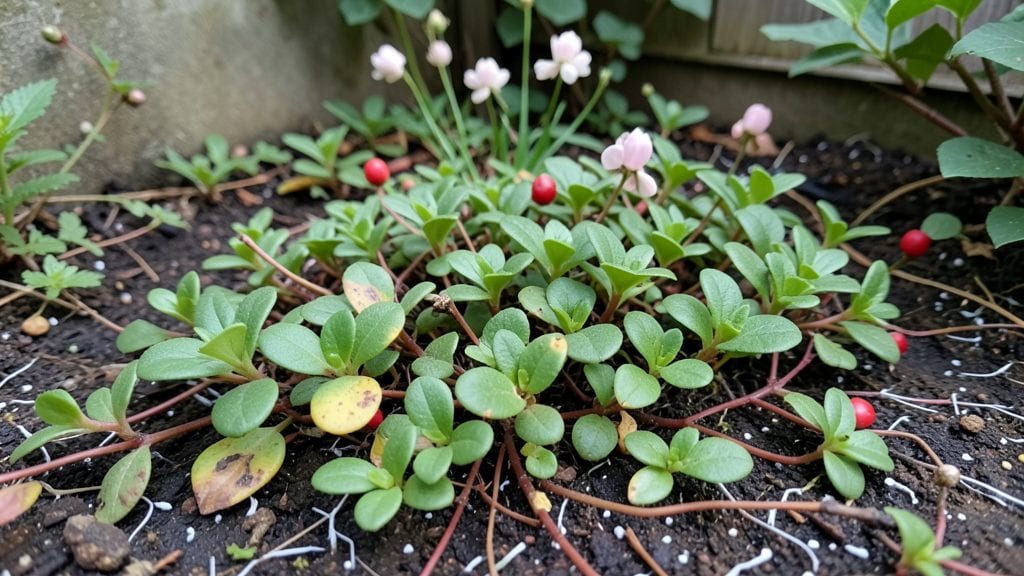
Growing Gaultheria procumbens from seeds gives you a lush, fragrant evergreen groundcover that stays green all winter long. 🌿 I’ve grown this plant from seed twice, and the first time I planted them, I couldn’t believe how quickly they filled in—by late spring, they were already forming a dense mat.
The key is patience, since seeds are slow to germinate, but the payoff is worth it for that sweet wintergreen scent and low-maintenance beauty.
You’ll need just three things to get started: fresh seeds (or berries, which contain the seeds), a mix of peat moss and perlite for moisture control, and a shallow tray or pot.
Gaultheria seeds prefer cool temperatures—think 60-65°F—and they can take anywhere from 4 to 12 weeks to sprout, depending on how fresh they are. The trick is keeping the soil consistently moist but never soggy, which is where that peat-perlite mix comes in handy.
Once they sprout, you’ll have delicate seedlings that need bright, indirect light to grow strong. They’re hardy down to zone 3, so if you live in a cold climate, you can plant them out in early spring without worrying about winter kill.
By the time they’re a year old, they’ll start spreading on their own, creating that classic woodland floor effect.
For faster results, you can also propagate from cuttings—just dip stems in rooting hormone and plant them in moist soil. Either way, you’ll end up with a plant that thrives in shade, resists deer, and stays evergreen even when everything else is brown.
Here’s how to make it work without the guesswork.
📚 In This Guide
- What you need
- Instructions
- Tips and common mistakes
- Wrapping up and next steps
What you need
- ● Gaultheria procumbens seeds: 10–20 fresh, viable seeds (harvested or purchased from a reputable supplier). Pro tip: 💡 Seeds lose viability quickly—use them within 3–6 months for best results!
- ● Seed-starting mix: 1–2 cups of sterile, well-draining potting soil (look for a mix labeled "seed-starting" or "peat-based").
- ○ Small seed trays or pots: 2–4 shallow containers (3–4 inches deep) with drainage holes. Optional: Biodegradable peat pots for easy transplanting!
- ● Spray bottle: For gentle watering to avoid disturbing seeds.
- ● Plastic wrap or clear lid: To create a humidity dome (e.g., a ziplock bag with holes or a propagator lid).
- ○ Grow lights or sunny windowsill: A warm, bright spot (60–70°F) with indirect light. Optional: A heat mat (70–75°F) for faster germination.
- ● Fine mist sprayer: For consistent moisture without overwatering.
- ● Tweezers or toothpick: To handle tiny seeds without crushing them.
- ○ Humidity tray: A shallow tray with pebbles and water to boost moisture levels (optional but helpful in dry climates).
- ● Fertilizer: A balanced, water-soluble fertilizer (5-5-5 or 10-10-10) diluted to half-strength for seedlings.
- ● Pruning shears: For trimming seedlings later (if propagating in bulk).
- ● Patience: Gaultheria seeds can take 3–6 months to germinate—don’t rush it!
- ● Consistency: Maintain steady moisture and warmth. Pro tip: 🌡️ Use a thermometer to monitor soil temp!
- ● Space: Seedlings need 6–12 months before transplanting outdoors (zones 4–8).
How to grow Gaultheria procumbens from seed in simple steps
Here’s the straightforward method I’ve used to establish lush, winter-green groundcover—no fuss, just reliable results.
🌱 Step 1: Prepare Seeds and Planting Medium
Gaultheria procumbens seeds need a light, airy mix to germinate. Combine 2 parts peat moss with 1 part perlite in a shallow tray—this mimics the acidic, well-draining conditions they prefer in nature. Moisten the mix until it feels like a damp sponge, but not dripping.
Place the tray in a clear plastic bag and seal it loosely. This creates a humid microclimate that triggers germination. Store the tray in a cool, dark spot (around 60-65°F)—a refrigerator’s vegetable drawer works perfectly. Check weekly for moisture, misting lightly if the mix feels dry to the touch.
💧 Step 2: Sow and Stratify for Germination
Spread the seeds evenly across the moistened mix, pressing them lightly into the surface—no need to bury them. Gaultheria seeds require stratification, a cold period that mimics winter conditions. Keep the tray in the fridge for 4-6 weeks, checking occasionally to ensure the mix stays damp.
After 4 weeks, transfer the tray to a bright, indirect light spot (like a north-facing windowsill). Germination can take another 2-4 weeks, so patience is key. You’ll know it’s working when tiny green shoots push through the soil—first true leaves will appear in 6-8 weeks total.
☀️ Step 3: Transplant and Establish Outdoor Groundcover
Once seedlings have 3-4 sets of leaves, they’re ready for their first move. Gently lift each seedling with a small spoon or fork, being careful not to disturb the delicate roots. Plant them in partial shade (3-4 hours of morning sun), where they’ll thrive without scorching.
Space seedlings 6-8 inches apart in a well-draining, acidic soil mix (amend with peat moss if your soil is heavy). Mulch with 2 inches of pine needles or shredded bark to retain moisture and mimic their natural forest-floor habitat. Water deeply once a week—they hate soggy roots but won’t tolerate drought.
✂️ Step 4: Maintain and Spread for Year-Round Cover
After the first year, Gaultheria procumbens spreads slowly but steadily. Prune leggy stems in early spring to encourage bushier growth. The plant’s wintergreen leaves stay vibrant all season, making it a standout groundcover.
Divide mature clumps in fall to expand coverage. Simply dig up sections with a sharp spade, ensuring each has 3-4 stems, then replant immediately. This evergreen workhorse thrives with minimal care—just keep it shaded, moist, and patient.
Tips & tricks for perfect Gaultheria procumbens growth
Here's what I've learned from years of growing this resilient evergreen groundcover—simple tricks that make all the difference.
Seed Placement Precision: When sowing those tiny Gaultheria procumbens seeds in Step 1, don't press them too firmly into the mix. Just a light touch ensures they stay in contact with the moist medium without getting buried, which they absolutely hate. Think of it like sprinkling snowflakes—gentle and even. I use a clean paintbrush to distribute them, which gives me more control than my fingers. The seeds need that light touch to stay in place while still having access to air and moisture at the surface.
Stratification Strategy: That 4-6 week cold period in Step 2 is non-negotiable, but here's the thing: consistency matters more than exact timing. I've had seeds germinate after 3 weeks and others take 8—what matters is maintaining that steady 60-65°F temperature. If your fridge fluctuates, consider using a seedling heat mat set to low (around 60°F) instead. Just remember to keep checking that moisture level weekly—those seeds can dry out faster than you think in the fridge's dry air.
Light Transition Tip: When you move those trays to bright indirect light after 4 weeks, don't rush it. I like to start with just 2 hours of morning light the first week, then gradually increase. This prevents seedling shock when they transition from darkness to light. Look for that first true leaf as your cue—it's the plant's way of saying "I'm ready for more light!"
Outdoor Transplant Timing: The 3-4 sets of leaves rule in Step 3 is your golden guideline, but here's the real secret: timing matters. I always transplant in early spring or late fall when temperatures are mild (50-60°F). Avoid summer heatwaves or winter freezes—the plants handle stress poorly. And when you're spacing those 6-8 inches apart, think of it like a chessboard: leave room for them to spread naturally over time.
Pro Tips for Gaultheria Procumbens Seeds
- Here's what I've learned from years of growing this resilient evergreen groundcover—simple tricks that make all the difference.
- Seed Placement Precision: When sowing those tiny Gaultheria procumbens seeds in Step 1, don't press them too firmly into the mix.
- Stratification Strategy: That 4-6 week cold period in Step 2 is non-negotiable, but here's the thing: consistency matters more than exact timing.
Frequently asked questions
Got questions about growing Gaultheria procumbens from seeds?
You’re not alone! Here are some of the most common queries—plus straightforward answers to help you succeed.
Can I grow wintergreen from seeds, or should I use cuttings instead?
Gaultheria procumbens seeds are viable, but germination is notoriously slow (often taking 6–12 months) and inconsistent. Many gardeners opt for layering or stem cuttings for faster, more reliable results. If you’re patient and want to experiment, start seeds indoors in sphagnum moss under warm conditions (70–75°F).
How long does it take for wintergreen seeds to germinate?
Patience is key! Seeds can take anywhere from 6 months to 2 years to sprout, depending on temperature, moisture, and light. Keep them in a humid, shaded environment (like a seed tray with a plastic cover) and avoid disturbing them. Cold stratification (4–6 weeks in the fridge) may help break dormancy.
What’s the best temperature for germinating Gaultheria procumbens seeds?
Ideal germination temps range between 65–75°F (18–24°C). If your home is cooler, use a seedling heat mat or place the tray on top of a fridge. Avoid extreme heat (above 80°F), which can dry out seeds or inhibit growth. Consistency is critical—fluctuations slow down the process.
Are there easier alternatives to wintergreen seeds for ground cover?
If seeds feel too finicky, consider these low-maintenance alternatives:
- Creeping thyme (drought-tolerant, fragrant, sun-loving)
- Ajuga (Bugleweed) (shade-friendly, spreads quickly)
- Pachysandra (evergreen, thrives in shade)
- Cotoneaster (hardy, berry-producing)
Why aren’t my wintergreen seeds sprouting after 6 months?
Don’t panic! Try these troubleshooting steps:
- Check moisture—seeds need consistent dampness (not soggy). Mist lightly weekly.
- Verify light—indirect, bright light is best; avoid direct sun.
- Test viability—soak seeds in water for 24 hours; if none swell, they may be old or non-viable.
- Consider scarification—lightly nicking the seed coat with sandpaper can help.
Wrapping up and next steps
Growing Gaultheria procumbens from seeds is a rewarding way to enjoy this fragrant, evergreen groundcover year-round! With the right preparation—like proper stratification and a patient approach—you’ll soon have a lush, low-maintenance plant that thrives in shade and adds winter interest to your garden. 🌿
Ready to take the next step? Start small—germinate a few seeds in pots, then transplant them into your garden once they’re sturdy enough. Before you know it, you’ll have a beautiful, aromatic carpet of wintergreen to admire! Happy growing! 🌱