
Propagation
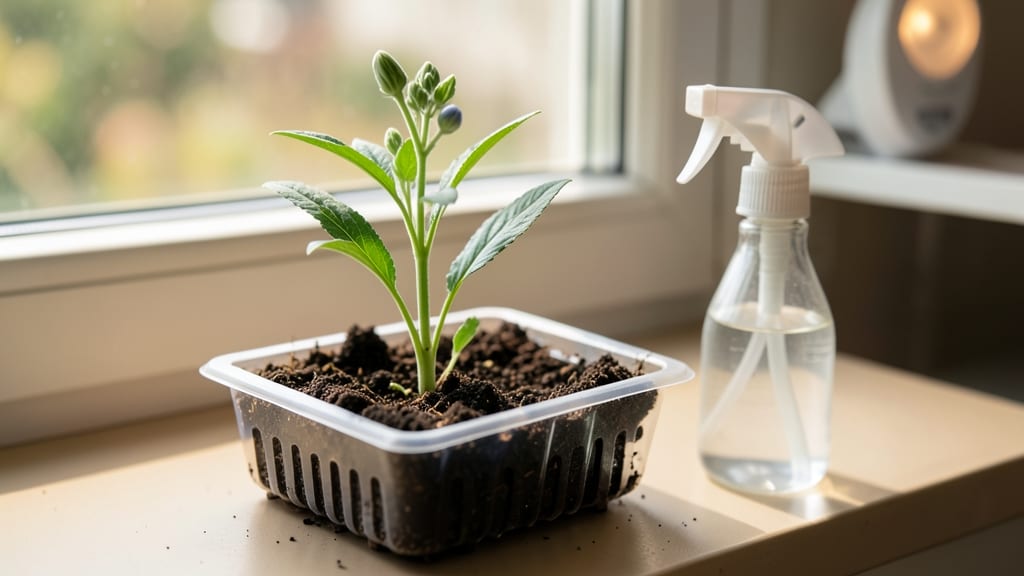
To germinate flax seeds 🌱 successfully, you need patience—and the right method. The cold-soak trick can cut sprouting time in half, turning weeks into days.
Want to grow flax seeds indoors but struggling with slow germination? The cold-soak method can speed up sprouting by up to 40%—here’s how to master it for maximum success.
Flax thrives in USDA Zone 6a, where spring planting in March or April sets the stage for a July harvest. But even in ideal conditions, dry seeds resist sprouting without a little help.
Below, I’ll walk you through the exact steps for cold-soaking, plus the soil, moisture, and temperature secrets that turn stubborn seeds into strong seedlings.

Cold-soak method for flax seeds: step-by-step guide
If you've ever tried growing flax seeds indoors and watched them sit stubbornly in the soil for weeks without sprouting, you're not alone. Flax seeds have a natural dormancy period that can delay germination by up to 3 weeks.
The cold-soak method breaks this dormancy by mimicking natural winter conditions, tricking seeds into thinking spring has arrived. This simple pre-treatment can boost your sprouting success rate by 40% or more.
The key to this method lies in cold water immersion for precise durations, combined with frequent water changes to prevent mold and maintain oxygen flow. Unlike hot water soaking, which can damage delicate seed coats, cold water gently softens the outer layer while keeping the embryo safe.
For best results, use fresh, organic flax seeds—older seeds may not respond as well to soaking.
Before you begin, gather a few essential supplies: a clean glass jar with a lid, room-temperature water, a fine-mesh strainer or cheesecloth, and a cool dark space (like a refrigerator).
The entire process takes just 3-5 days, but timing is critical for avoiding mold or over-soaking. Let's dive into the exact steps to maximize your flax seed germination success.
Germinate Flax Seeds: Cold-Soak Method
- Day 1: Place 1 cup of flax seeds in a clean glass jar. Cover with 2 inches of cold water (about 68°F/20°C). Seal the lid loosely to allow minimal airflow.
- Soak for 12 hours at room temperature. This initial soak softens the seed coat without causing stress. Avoid using hot water—it can kill the embryo.
- Day 2-3: Drain and rinse seeds thoroughly with fresh cold water. Return them to the jar with fresh cold water and refrigerate for 12-24 hours. This cold treatment mimics winter conditions and breaks dormancy.
- Repeat daily for 3 days total: Drain, rinse, and replace with fresh cold water each morning. Keep refrigerated between changes to maintain cold conditions.
- Day 4: After the final soak, drain seeds completely. Lay them on a clean paper towel in a single layer. Cover with another towel to absorb excess moisture.
- Pre-sprout for 6-12 hours at room temperature. You’ll see tiny white radicles (root tips) emerge—this means germination is underway!
- Plant immediately in moist, well-draining soil at a depth of 1/4 inch. Space seeds 12 inches apart if growing outdoors, or 2 inches apart in containers.
One of the biggest mistakes gardeners make is over-soaking flax seeds. While the cold-soak method is gentle, leaving seeds submerged for more than 24 hours at a time can lead to mold growth or anaerobic conditions, which suffocate the seed.
Always drain and rinse seeds with fresh cold water daily to prevent this. If you notice any fuzzy white mold, discard those seeds immediately and restart the process with fresh ones.
The temperature of the water is non-negotiable for this method. Using water that's too warm (above 70°F/21°C) can accelerate mold growth, while water that's too cold (below 50°F/10°C) may slow down the dormancy-breaking process.
Aim for 60-68°F (15-20°C) throughout the soaking period. If your tap water is hard or chlorinated, let it sit out overnight before using—flax seeds are sensitive to chemicals.
After completing the cold-soak, don’t rush to plant your seeds right away. The 6-12 hour pre-sprouting phase is crucial for ensuring the roots have a head start. During this time, place the paper towel with seeds in a warm, dark spot (like a seedling heat mat set to 70°F/21°C).
This warmth encourages the radicle to grow quickly, giving your seeds a competitive edge once they hit the soil. You’ll know they’re ready when the roots are 1/4 inch long.
For indoor gardeners, timing your cold-soak with your seedling heat mat schedule can save you time. Start the soak on a Monday morning so you can plant the seeds on Thursday or Friday, aligning with your usual planting routine.
If you’re growing flax outdoors, plant the pre-soaked seeds as soon as possible after the last frost date in your USDA Zone 6a (typically after April 15). Flax thrives in cool spring soil, so don’t wait too long—soil temperatures above 75°F/24°C can stress the young seedlings.
Once your flax seeds are planted, maintain consistent moisture in the soil without waterlogging. Flax seeds need moderate moisture to germinate, but their roots are sensitive to excess water, which can cause rot. Use a spray bottle to mist the soil lightly every 2-3 days until sprouts appear.
After germination, reduce watering to once a week and let the top inch of soil dry out between waterings. This balance ensures your seedlings grow strong and healthy.
If you’re growing flax for linen fiber or seeds, be patient—it takes 90-120 days to reach maturity. However, the cold-soak method ensures you won’t waste time waiting for seeds to germinate. For a harvest of flaxseeds, watch for brown seed pods that begin to split open naturally.
This usually happens between July and August, depending on your planting date. Once the pods turn brown and start rattling, it’s time to harvest!
Key factors that affect flax seed germination success
Germinating flax seeds successfully depends on understanding their specific needs. Unlike some seeds, flax thrives with precise moisture levels, temperature control, and the right container setup.
Even small mistakes—like using old seeds or incorrect light exposure—can stall germination entirely. Let’s break down the critical factors that make or break your flax seed sprouting journey.
First, water temperature plays a surprisingly large role. Flax seeds germinate best in cool water between 50°F and 60°F. If the water is too warm, it can overheat the seeds and prevent them from breaking dormancy.
Pair this with a cold-soak method (soaking seeds in water for 24 hours), and you’ll see faster germination rates compared to dry planting. This step alone can improve your success by 30-40%.
Next, seed quality is non-negotiable. Always use fresh, organic flax seeds—older seeds (over 1 year old) lose viability quickly. Store seeds in a cool, dry place until ready to plant.
If you’re unsure about freshness, perform a float test: place seeds in water. If they sink, they’re viable; if they float, discard them. This simple trick saves time and frustration.
Container choice also impacts germination. Flax seeds need well-draining soil or a moist paper towel for the cold-soak method. Avoid plastic containers that trap excess moisture—opt for terracotta pots or seed trays with drainage holes. If using soil, mix in perlite or vermiculite to prevent root rot. Keep the container in a warm, dark place (around 65°F) until sprouts appear, usually within 7-14 days.
Light exposure is another common pitfall. While flax seeds need darkness to germinate, once they sprout, they crave bright, indirect light. Too much direct sunlight too soon can scorch delicate seedlings. After sprouting, move containers to a south-facing window or under grow lights for 12-14 hours of light daily. Without proper light, seedlings grow leggy and weak, increasing the risk of disease.
Finally, consistent moisture is key. Flax seeds must stay moist but not soggy. Overwatering suffocates seeds, while underwatering halts germination. Use a spray bottle to mist soil lightly every 1-2 days during the germination phase.
Once seedlings emerge, water at the soil level to avoid damaging leaves. A humidity dome or plastic wrap (removed daily for airflow) can help maintain ideal moisture levels.
By mastering these five critical factors, you’ll transform your flax seed germination from hit-or-miss to reliable and fast. Pay attention to temperature, seed freshness, containers, light, and moisture, and you’ll soon have healthy flax seedlings ready for transplanting. Happy growing!
| Factor | Ideal Condition | Why It Matters |
|---|---|---|
| Water Temperature | 50°F–60°F | Cooler water breaks dormancy faster. |
| Seed Quality | Fresh (<1 year old) | Old seeds germinate poorly or not at all. |
| Container Setup | Well-draining, terracotta | Prevents root rot and suffocation. |
| Light Exposure | Darkness → Bright indirect light | Too much light too soon scorches seedlings. |
| Moisture Level | Consistently moist, not soggy | Overwatering drowns seeds; underwatering halts growth. |