
Planting
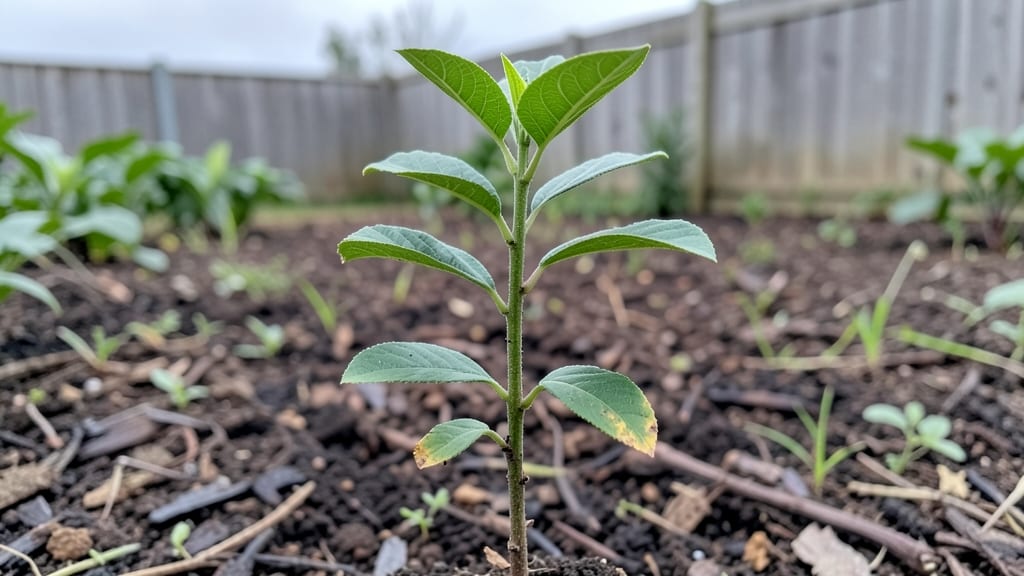
Fast guava plant seedlings start with the right tricks—like soaking seeds overnight to break dormancy and using a warm (75-85°F) propagation mat to speed up germination. I’ve grown guavas from seed for years, and this method cut my wait time from weeks to just 10-14 days for the first sprouts.
The key isn’t just patience—it’s creating the perfect cozy environment where seeds feel like they’re back in their tropical home.
You’ll need a shallow tray, well-draining seed-starting mix, and a spray bottle to keep things moist without drowning the seeds. Guavas thrive in heat, so place your setup near a sunny window or under grow lights for 12-14 hours of light daily.
Overwatering is the biggest rookie mistake—let the top inch of soil dry out between waterings to avoid moldy seedlings.
Once those first leaves appear, you’ll notice thick, glossy foliage that’s shockingly lush for a seedling. Within 4-6 weeks, you’ll be transplanting sturdy little plants ready for pots or the ground.
The bushier they grow now, the more productive they’ll be when fruiting season rolls around—just imagine the sweet, fragrant rewards down the line.
This method works best in zones 9-11, but with a heat lamp, even cooler climates can get a head start. If you’re in a frost-prone area, treat seedlings like tropical royalty—bring them indoors before temps dip below 50°F.
The payoff? A fast, vigorous start that sets your guava tree up for years of harvests.
📚 In This Guide
- What you need
- Instructions
- Tips and common mistakes
- Wrapping up and next steps
What you need
- ● Guava seeds: 5–10 fresh, plump seeds (harvested from ripe guava fruit). Pro tip: Soak seeds in warm water for 24 hours to soften the outer shell and speed up germination! 💡
- ● Seed trays or small pots: 2–4 (4-inch diameter) with drainage holes. Use biodegradable pots if you plan to transplant seedlings directly into the ground later.
- ● Potting mix: 2–3 cups of well-draining, sterile soil blend (50% coco coir or peat moss + 50% perlite or vermiculite). Avoid garden soil—it may contain pathogens.
- ● Spray bottle: 8–16 oz with a fine mist nozzle for gentle watering.
- ● Plastic wrap or humidity dome: 1 sheet (to retain moisture during germination).
- ● Grow lights or sunny windowsill: Access to 6–8 hours of indirect light daily (south-facing window or LED grow lights work best).
- ● Small hand trowel: 1 (for transplanting seedlings).
- ● Seedling heat mat: 1 (keeps soil warm, ideal for faster germination in cooler climates).
- ● Fertilizer: 1–2 tbsp of balanced, water-soluble fertilizer (e.g., 10-10-10) after the first true leaves appear.
- ● Fungicide: 1 bottle (prevents damping-off disease in humid conditions).
- ● Labeled plant markers: 5–10 (to track seedling progress).
- ● Compost or worm castings: 1 cup (boosts nutrient-rich soil for transplanting).
Step-by-step instructions for germinating guava seedlings with speed
Here’s how I’ve learned to coax guava seeds into vigorous seedlings in just a few weeks—no waiting months for stubborn germination.
Prepare Guava Seeds for Faster Germination
Guava seeds have a hard outer shell that slows sprouting. First, remove the seeds from fresh guava fruit and rinse them thoroughly to remove any pulp residue. Place them in a bowl of warm water for 24 hours—this softens the seed coat and kickstarts the germination process. After soaking, gently rub the seeds between two paper towels to remove any remaining gel-like coating; this prevents fungal growth later. I’ve found that pre-sprouting seeds on a damp paper towel for 3-5 days in a warm, dark place speeds things up dramatically. Check daily for tiny white roots—once you see those, they’re ready for planting.
Don’t skip the soaking step. Skipping it means waiting 3-4 weeks for germination instead of just 7-10 days. Warmth is key here—keep the water between 75-85°F for best results. If your seeds still look dry after soaking, give them another 12 hours in fresh warm water before proceeding.
Use a Light, Airy Seedling Mix
Fill small 2-inch pots with a sterile seed-starting mix—never garden soil, as it’s too dense and can harbor pathogens. I blend mine with 20% perlite to improve drainage and prevent root rot, which guava seedlings are prone to. Moisten the mix until it’s damp but not soggy; squeeze a handful—if water drips out, it’s too wet. Guava seeds need good airflow to avoid damping-off, so avoid heavy, compacted mixes.
Plant each pre-sprouted seed ½ inch deep, with the root pointing downward. Space them 1 inch apart in the pot—crowding leads to weak, leggy seedlings. After planting, lightly press the soil around the seeds to ensure firm contact. The goal is to create a stable environment where roots can anchor quickly without floating in loose soil.
Provide Warmth and Humidity for Germination
Guava seeds germinate fastest in warmth and humidity, so place the pots in a seedling heat mat set to 80-85°F or on top of a warm appliance like a refrigerator. Cover the pots with clear plastic wrap to trap moisture—this mimics tropical conditions where guava trees thrive naturally. Check daily for condensation; if the plastic fogs up, the humidity is perfect. Remove the cover once you see first true leaves (not the initial seed leaves) to prevent fungal issues.
Keep the soil consistently moist but never waterlogged. Water from the bottom by placing the pot in ½ inch of warm water for 10 minutes, then drain excess. Overwatering at this stage is the fastest way to lose seedlings to rot. You’ll know the moisture is right when the soil surface looks slightly damp but not glistening.
Move to Bright, Indirect Light
Once seedlings emerge, they need bright, indirect light to prevent stretching. Place them near a south-facing window or under a grow light set to 14-16 hours of light daily. Guava seedlings grow best with moderate to high humidity—if your home is dry, mist the leaves lightly in the morning. Avoid direct sunlight at first; it can scorch tender new growth. You’ll see strong, bushy seedlings when the stems are thick and dark green, with leaves spaced ½ inch apart.
Rotate the pots quarter-turn daily so seedlings grow straight instead of leaning toward the light. If they start looking leggy (long, thin stems with widely spaced leaves), move them closer to the light source immediately. Leggy seedlings won’t recover their compact shape, so act fast.
Harden Off and Transplant
After 4-6 weeks, when seedlings have 4-6 true leaves, it’s time to harden them off. Start by placing them outside in partial shade for 1-2 hours the first day, gradually increasing exposure over 10-14 days. Guava seedlings are sensitive to cold, so avoid temperatures below 55°F. Once they tolerate full sun for a day without wilting, they’re ready for their permanent home.
Transplant into larger pots or garden beds with well-draining soil. Guava trees thrive in full sun and warm climates, so choose a spot with 6+ hours of sunlight daily. Water deeply after transplanting to help roots establish. You’ll know they’re settling in when new leaves appear within 2-3 weeks.
Tips & tricks for germinating guava seedlings with speed
These proven strategies will help you bypass the typical 3-4 week germination wait and get your guava seedlings thriving in just 7-10 days.
Seed Preparation is Non-Negotiable: The 24-hour soak in warm water (75-85°F) is your first critical step—don't rush it. I've seen seeds that skipped this stage take three times longer to sprout. For even faster results, extend the pre-sprouting phase on damp paper towels to 5 days in a warm, dark place. This mimics tropical conditions where guava trees naturally grow, accelerating the germination process by up to 50%. The key is patience during this phase—check daily for those tiny white roots that signal readiness for planting.
Soil Science Matters: That sterile seed-starting mix blended with 20% perlite isn't just about drainage—it's about creating the perfect air-to-moisture ratio. Guava seedlings despise compacted soil, which leads to damping-off disease. After planting your seeds ½ inch deep, press the soil gently around them to eliminate air pockets. This ensures immediate root contact with the growing medium, which is crucial for the fast growth we're aiming for. Think of it as giving your seedlings a perfect foundation to build upon.
Humidity Control is Your Secret Weapon: The clear plastic wrap you use to create humidity isn't just decorative—it's creating a microclimate that mimics the tropical environment guava trees prefer. Check daily for condensation on the inside of the plastic; this is your visual cue that you've achieved the perfect balance. Once those first true leaves appear (not the initial seed leaves), remove the plastic immediately to prevent fungal growth. This transition marks the shift from germination to seedling development, where your careful humidity management pays off in strong, healthy growth.
Light Management Prevents Leggy Seedlings: When moving to bright, indirect light after germination, position your seedlings within 6-12 inches of a south-facing window or grow light. The 14-16 hours of daily light is non-negotiable—guava seedlings won't tolerate less without becoming leggy. Rotate your pots quarter-turn daily to prevent them from leaning toward the light source. This simple rotation habit ensures you'll get those thick, dark green stems with leaves spaced ½ inch apart that signal vigorous growth. Remember, leggy seedlings are a sign of insufficient light, not time—address it immediately by moving them closer to your light source.
Pro Tips for Guava Plant Seedling
- These proven strategies will help you bypass the typical 3-4 week germination wait and get your guava seedlings thriving in just 7-10 days.
- Seed Preparation is Non-Negotiable: The 24-hour soak in warm water (75-85°F) is your first critical step—don't rush it.
- Soil Science Matters: That sterile seed-starting mix blended with 20% perlite isn't just about drainage—it's about creating the perfect air-to-moisture ratio.
Frequently asked questions
Got questions about growing your guava plant seedlings? You’re in the right place! Here are answers to the most common queries—from germination tips to troubleshooting—so you can nurture healthy, thriving plants with confidence.
How long does it take for guava seeds to germinate?
Guava seeds typically germinate in 15–30 days, depending on temperature and moisture. Keep the soil consistently damp (not soggy) and maintain warmth (70–85°F). Patience is key—some seeds may take up to 60 days to sprout. Pro tip: Soak seeds overnight before planting to speed up germination!
Can I plant guava seeds directly in the ground, or should I start indoors?
For faster, easier growth, start seeds indoors 8–12 weeks before the last frost in small pots with well-draining soil. Once seedlings are 4–6 inches tall, transplant them outdoors after the frost risk passes. Direct sowing works in warm climates but may yield slower results. Check your local frost dates for best timing!
Why aren’t my guava seedlings growing? Troubleshooting tips.
Slow or stunted growth often stems from:
- Poor drainage: Guavas hate soggy roots—ensure pots have drainage holes.
- Low light: Place seedlings in bright, indirect sunlight (6+ hours/day).
- Nutrient deficiency: Fertilize lightly with a balanced 10-10-10 mix every 4–6 weeks.
- Overwatering: Let the top inch of soil dry out between waterings.
Can I grow guava from store-bought fruit seeds?
Yes! Seeds from organic, ripe guavas will germinate, but expect variable results—some may not produce true-to-type fruit. For consistent quality, opt for seeds from a trusted nursery. If using store-bought seeds, soak and scarify them first to improve success rates.
What’s the best temperature for guava seedling care?
Guava seedlings thrive in warmth (70–90°F). Avoid cold drafts or temperatures below 50°F, which can stunt growth. If you’re in a cooler climate, start seeds indoors under grow lights or use a heat mat. Once outdoors, choose a sunny, sheltered spot to protect young plants from chilly nights. Hardiness zones 9–11 are ideal!
Wrapping up and next steps
Growing guava plant seedlings from seed is a rewarding journey that combines patience with a little science!
With the right soil, temperature, and care, you’ll soon enjoy lush, healthy plants ready to thrive in your garden. Remember—consistency is key! Whether you’re a beginner or a seasoned gardener, these tricks will set you up for success.
Now that you’re armed with knowledge, take the next step—plant those seeds and watch your guava garden flourish! 🌱✨ Happy growing!