Vegetables
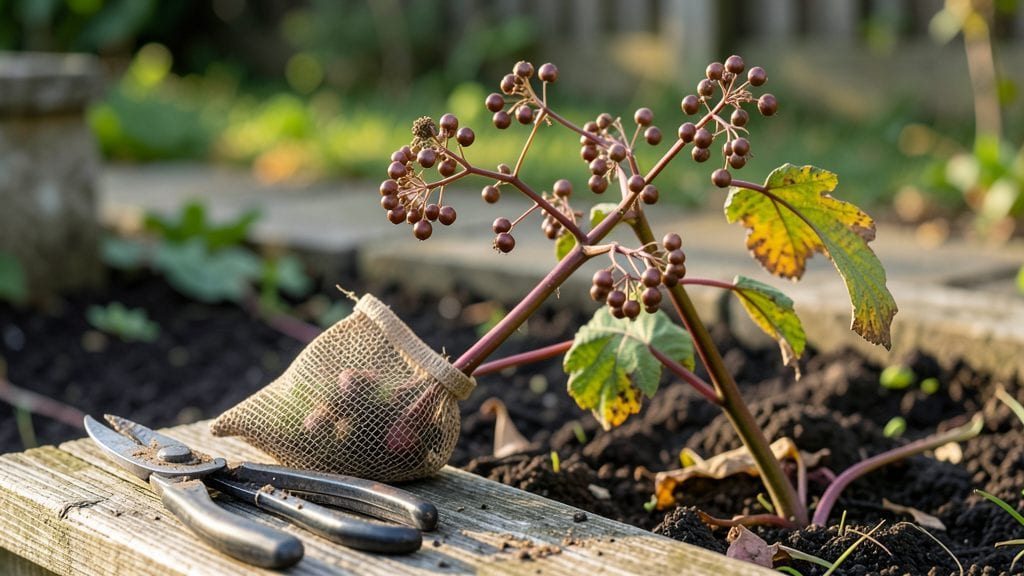
Harvesting beetroot seeds lets you save money and grow your favorite heirloom varieties for years to come—no store-bought packets needed.
Did you know saving beetroot seeds can slash your annual gardening costs while ensuring the freshest, most flavorful harvests? Mastering this simple technique lets you grow heirloom varieties year after year—without buying new seeds.
If you’ve ever watched your 🍠 beetroot plants bolt in late summer, you know the moment is fleeting. Missing the window means lost seeds, but timing it right gives you a free, renewable source of next year’s crop.
In this guide, I’ll walk you through every step—from spotting mature seed pods to drying, storing, and testing viability—so you can cut costs and keep your garden thriving.

When and how to identify beetroot plants ready for seed harvesting
Saving beetroot seeds from your garden is one of the most rewarding ways to ensure heirloom quality and cost-effective planting for next season. But timing is everything—harvest too early, and your seeds won’t germinate; wait too long, and they’ll scatter or lose viability.
The key lies in recognizing three critical stages: flowering, seed pod development, and full maturity.
First, you’ll need to allow your beetroot plants to bolt and flower naturally.
Most gardeners focus solely on harvesting the roots, but if you leave a few plants in the ground after the main harvest, they’ll send up tall flower stalks (up to 3-4 feet tall) with clusters of small green flowers.
These flowers will eventually transform into the seed pods you’re after.
Here’s where many gardeners make their first mistake: assuming all seed pods are ready at once. In reality, pods mature at different rates, even on the same plant. That’s why it’s crucial to monitor them individually—some may be ready to harvest while others still need weeks to dry.
Visual cues are your best friends when identifying ready-to-harvest seed pods. Start by looking for pods that have turned from bright green to brown. At this stage, they should feel dry and papery to the touch, almost like crinkled paper.
If you gently shake a mature pod, you’ll hear a distinct rattling sound—this means the seeds inside are fully developed and ready for collection.
Another telltale sign is the natural yellowing and die-back of the plant’s leaves. As the beetroot plant prepares for dormancy, its energy shifts from root production to seed maturation. Healthy green leaves indicate the plant still has growth energy, while brown, crispy foliage signals it’s time to harvest.
One common pitfall is harvesting pods that are still slightly green inside. These seeds won’t germinate well because they’re not fully mature. To test, cut open a pod—if the seeds inside are plump and dark brown, they’re ready.
If they’re pale or shriveled, give them more time on the plant.
Timing your harvest correctly also depends on your local climate. In warmer regions, seed pods may mature in 60-75 days after flowering, while cooler climates might need up to 90 days.
If frost threatens before pods fully dry, you can harvest them early and finish drying indoors under a fan or in a well-ventilated area.
Pro tip: Avoid harvesting seeds on humid days, as moisture can cause mold. Early mornings are ideal because the pods are dryest after overnight air circulation. Use clean, sharp pruning shears to snip the seed clusters from the stalk, leaving a short stem to attach to your drying setup.
If you’re growing beetroot varieties for seed saving, pay attention to cross-pollination risks. Some varieties, like ‘Detroit Dark Red’ or ‘Chioggia’, can cross-pollinate with others, leading to mixed seeds. To maintain purity, plant only one variety at a time or isolate them by at least 500 feet.
Finally, never skip the final maturity check before storing seeds. Even if pods look dry, place a few in a paper bag for 24 hours. If they release seeds easily when shaken, they’re ready. If not, they need more time on the plant.
| Stage | Visual Cues | Action Required | Timeframe |
|---|---|---|---|
| Flowering | Small green flowers appear on tall stalks | Allow flowers to fully develop into seed pods | 3-4 weeks after bolting |
| Seed Pod Development | Pods turn from green to brown; feel dry | Monitor daily for maturity; avoid rain exposure | 4-6 weeks after flowering |
| Full Maturity | Pods rattle when shaken; seeds dark brown | Harvest pods; dry indoors if needed | 60-90 days post-flowering |
| Leaf Die-Back | Leaves yellow and crisp naturally | Confirm pod maturity before harvesting | Concurrent with seed pod drying |
| Avoiding Mistakes | Green pods, no rattling, moldy pods | Discard; replant if needed | Anytime during process |
Now that you’ve mastered identifying ready-to-harvest beetroot seed pods, the next step is proper collection and drying. One of my favorite methods is to hang seed clusters upside down in a paper bag with a rubber band.
This allows seeds to fall naturally into the bag while keeping them dry. Place the bag in a cool, dark, and well-ventilated area for 2-3 weeks to complete the drying process.
Remember, patience is key when harvesting beetroot seeds. Rushing the process can lead to low germination rates or seeds that fail to sprout altogether. If you’re new to seed saving, start with one or two plants to practice—this way, you’ll gain confidence before scaling up your seed-saving efforts.
Once your seeds are fully dry and stored in a cool, airtight container, they can last 3-5 years if kept in the right conditions. Label each container with the variety name and harvest year to avoid confusion. With this knowledge, you’ll never have to buy beetroot seeds again!
Step-by-step guide to collecting, drying, and storing beetroot seeds
Once your beetroot plants have bolted and produced flowering stalks, you're ready to collect seeds! This process is simpler than you might think, and with the right techniques, you can save seeds that stay viable for 3+ years.
The key lies in proper harvest timing, gentle handling, and ideal storage conditions—all of which I’ll walk you through today.
Beetroot seeds develop in dry, papery seed pods that form after the flowers bloom. If you rush the process, you risk collecting immature seeds that won’t germinate. Patience is key—wait until the pods turn brown and crispy before harvesting.
This usually happens in late summer to early fall, depending on your USDA zone and climate.
Gently snip or twist off the dry seed pods when they turn brown and papery. Avoid pulling them—this can damage the plant. Place pods in a paper bag to prevent moisture buildup.
Spread the pods in a single layer on a dry, well-ventilated surface (like a screen or tray) for 1-2 weeks. This ensures all moisture evaporates, preventing mold. Keep them in a shady, dry spot away from direct sunlight.
Once completely dry, crush the pods between your fingers or use a mortar and pestle to release the small, dark seeds. Beetroot seeds are tiny—think sand-like texture—so take your time to avoid losing them.
Sift the seeds through a fine mesh sieve to remove debris. Store them in a paper envelope or airtight container with a silica gel packet to absorb moisture. Label with the variety name and harvest year.
Keep seeds in a cool (50-60°F), dark location, like a pantry or seed vault. Avoid refrigeration unless using a sealed, moisture-proof container. Test viability every 2 years by planting a few seeds.
One common mistake is harvesting seeds too early—green pods mean immature seeds. If you’re unsure, wait another 7-10 days before checking again. Another pitfall is moisture exposure during storage, which can cause mold or rot. Always double-check your storage containers for airtight seals.
With these steps, you’ll have a reliable seed supply for years to come. Next season, you’ll enjoy the satisfaction of growing heirloom beetroots from your own homegrown seeds—all while saving money and reducing waste. Happy seed saving! 🌱