
Propagation
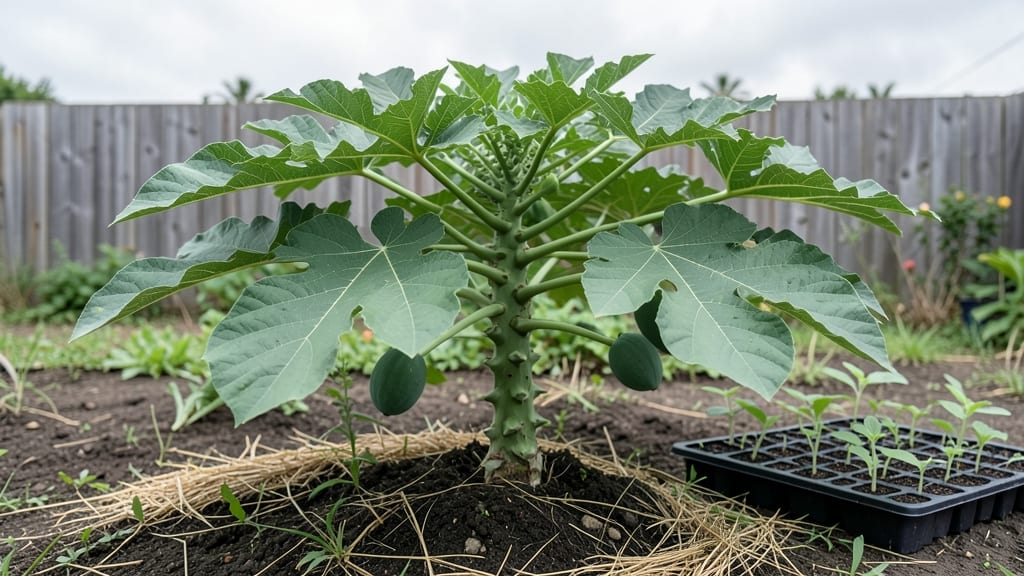
Growing Hawaiian papaya from seeds feels like unlocking a tropical treasure chest—those bushy vines and sweet golden fruit are worth every step. 🌱 I’ve learned that the key to fast germination isn’t just patience, but the right temperature, moisture, and a little extra care to coax those seeds awake.
The first green shoots appear within days when you mimic their natural habitat.
You’ll need just a few supplies: fresh seeds (saved from ripe fruit or bought from a trusted source), a warm spot (75-85°F), and a humid environment to keep them happy. Most people skip the humidity trick, which slows things down—think of it like giving your seeds a tropical rain shower.
Once they sprout, they’ll grow fast, reaching transplant size in about 4-6 weeks.
By the time you’re pinching off those first leaves, you’ll already be dreaming of harvest—imagine lush vines heavy with fruit within months. The secret is keeping them warm, watered just enough to stay moist (not soggy), and giving them bright, indirect light from the start.
Even in cooler climates, a sunny windowsill or grow light works wonders.
This method works for containers too, making it perfect for small spaces or indoor growers. Just ensure your pots have drainage and you’re ready for rapid growth—papayas don’t like being cramped. Let’s get those seeds sprouting and those vines climbing!
📚 In This Guide
- What you need
- Instructions
- Tips and common mistakes
- Wrapping up and next steps
What you need
- ● Hawaiian papaya seeds: 5–10 fresh, organic seeds (preferably from a ripe, heirloom Hawaiian papaya for best results).
- ● Seed-starting mix: 1–2 cups of sterile, well-draining potting soil (or a 50/50 mix of coconut coir and perlite for moisture control).
- ● Small pots or seed trays: 2–4 biodegradable pots (3–4 inches wide) or a seed tray with drainage holes.
- ● Plastic wrap or humidity dome: To create a mini greenhouse effect and retain moisture.
- ● Spray bottle: For gentle watering (avoid soaking the soil).
- ● Grow lights or sunny windowsill: A warm, bright spot (70–85°F) with at least 6–8 hours of light daily.
- ○ Heating mat (optional): Speeds up germination (75–85°F is ideal).
- ● Fertilizer (balanced, water-soluble): Diluted to half-strength once seedlings sprout (e.g., 10-10-10 or fish emulsion).
- ● Humidity tray or pebble tray: Adds extra moisture if your home is dry.
- ● Pruning shears: For future trimming as your papaya vine grows bushy!
- ○ pH test kit (optional): Ensures soil pH is between 5.8–6.5 (papayas love slightly acidic soil).
Step-by-step instructions for germinating Hawaiian papaya seeds
Here’s how to coax those tiny papaya seeds into vigorous vines in just weeks.
🌱 Step 1: Prep Seeds for Faster Germination
Papaya seeds have a tough outer shell, so I start by soaking them in lukewarm water for 24 hours to soften the coating. Place them in a small bowl or jar, ensuring they’re fully submerged. You’ll see the seeds swell slightly—this is your signal they’re ready to break dormancy.
After soaking, drain the water and wrap the seeds in a damp paper towel. Fold the towel loosely and place it inside a sealed plastic bag. Store the bag in a warm spot, like the top of your fridge or near a sunny window. Check daily—once the seeds split open (usually in 3-5 days), they’re primed for planting.
💧 Step 2: Plant in Warm, Well-Draining Soil
Use a lightweight seed-starting mix (never garden soil—it’s too dense) and fill small pots or seed trays. Papaya roots are sensitive to cold, so I keep the soil temperature at 80-85°F using a seedling heat mat. Plant the prepped seeds ½ inch deep, spacing them 1 inch apart in each pot.
Water gently from the bottom to avoid displacing the seeds. You’ll know moisture is right when the soil surface looks damp but not soggy. Cover the pots with plastic wrap to trap warmth and humidity, then place them in bright, indirect light. Germination happens fastest in these conditions—expect sprouts in 7-14 days.
☀️ Step 3: Provide Bright Light and Humidity
Once seedlings emerge, remove the plastic wrap immediately to prevent fungal growth. Move them to a spot with 6-8 hours of bright, indirect light daily. A south-facing window or grow light works best. Papaya seedlings grow fast, so keep the light within 6 inches of the plants to prevent leggy stems.
Mist the soil lightly every 2-3 days to maintain humidity—papaya leaves wilt easily if the air dries out. You’ll see bushy growth when the first true leaves (not the initial seed leaves) appear. At this stage, thin seedlings to 1 per pot if overcrowded, using clean scissors to snip excess stems at soil level.
🪴 Step 4: Transplant to Larger Containers
When seedlings reach 6 inches tall (usually 4-6 weeks after planting), transfer them to 5-gallon pots with fresh potting mix. Papaya vines need deep roots, so choose containers with drainage holes. Handle the seedlings carefully—grasp the leaves, not the stems, to avoid damaging the delicate roots.
Water thoroughly after transplanting to settle the soil. Place the pots in a warm, sunny spot (papayas thrive in 75-90°F temperatures). You’ll notice new leaves unfurling within 1-2 weeks, signaling the plant is establishing itself. Keep the soil consistently moist but never waterlogged—papayas hate soggy roots.
Tips & tricks for germinating Hawaiian papaya seeds
These little-known tricks will help you skip the guesswork and get those papaya seeds sprouting faster and stronger.
Soaking Secret: The 24-hour soak is your secret weapon—don't cut it short! I've seen seeds fail to germinate when soaked less than 20 hours. Use lukewarm water (around 85°F) rather than hot water, which can damage the delicate seed structure. After soaking, give them a quick rinse to remove any residual papaya pulp that could attract mold.
Temperature Matters: Maintaining that 80-85°F soil temperature during germination is crucial. If your home runs cooler, place the seed trays on top of your fridge or use a seedling heat mat. I've tried germinating papaya seeds in cooler conditions and the results were disappointing—sprouts took twice as long or didn't emerge at all. A warm spot near a sunny window works too, but monitor the soil temperature with a thermometer.
Lighting Strategy: Those 6-8 hours of bright, indirect light in Step 3 aren't just about growth—they're about setting up your seedlings for success. If using artificial light, LED grow lights work best as they produce less heat. Position the light just 6 inches above the seedlings and adjust as they grow. I've seen papaya seedlings stretch toward light sources, becoming leggy and weak—this happens when light isn't close enough.
Transplanting Timing: The 4-6 week window for transplanting to 5-gallon pots is perfect for papaya seedlings. At this stage, they've developed strong enough roots to handle the move but aren't so large they'll be stressed by the transition. When handling seedlings, grasp the leaves rather than the stems to avoid damaging the delicate root systems. This careful handling pays off with healthier plants that establish themselves quickly in their new containers.
Pro Tips for Hawaiian Papaya Seeds
- These little-known tricks will help you skip the guesswork and get those papaya seeds sprouting faster and stronger.
- Soaking Secret: The 24-hour soak is your secret weapon—don't cut it short!
- Temperature Matters: Maintaining that 80-85°F soil temperature during germination is crucial.
Frequently asked questions
Got questions about growing Hawaiian papaya from seeds? You’re not alone! Here are the most common concerns—and quick answers to help you grow lush, tropical vines with ease.
How long does it take for Hawaiian papaya seeds to germinate?
Most Hawaiian papaya seeds sprout within 7–14 days if kept warm (75–85°F) and moist. For faster results, soak seeds in warm water for 24 hours before planting. Patience is key—some may take up to 3 weeks in cooler conditions.
Can I grow Hawaiian papaya seeds indoors? What’s the best setup?
Use a grow light (12+ hours/day) and keep soil warm with a heating mat. Start seeds in small pots with well-draining mix, then transplant outdoors once frost risk passes. A sunny windowsill works too, but growth will be slower.
What if my Hawaiian papaya seeds don’t sprout? Troubleshooting tips?
Check these first:
- Moisture: Keep soil damp (not soggy)—use a spray bottle if needed.
- Temperature: Seeds need warmth; move to a warmer spot or use a heat mat.
- Freshness: Older seeds (over 6 months) may lose viability—try a new batch.
- Viability test: Float seeds in water; sinkers are likely good!
Are Hawaiian papaya seeds edible? Can I eat the fruit from seed-grown plants?
Yes! The seeds are edible (roasted or ground into salt) and the fruit is just as sweet as store-bought. Seed-grown papayas may take 12–18 months to bear fruit, but they’re often more flavorful and disease-resistant.
How do I know if my Hawaiian papaya plant is male or female? Does it matter?
Male flowers have a long, thin stem with no fruit. Female flowers have a small papaya at the base. For fruit, you’ll need both—plant 2–3 seeds for pollination. Bees or hand-pollination (brush flowers) helps!
Wrapping up and next steps
Growing Hawaiian papaya from seeds is a rewarding journey that brings lush, tropical vines to your garden in just weeks! 🌱 With the right soil, warmth, and patience, you’ll soon be harvesting sweet, vibrant fruit.
Whether you’re a seasoned gardener or a curious beginner, these germination tricks make it easier than ever to cultivate your own thriving papaya plants.
Ready to take the next step? Start by gathering your seeds and supplies today—your tropical oasis awaits! 🌴💚