Blooming
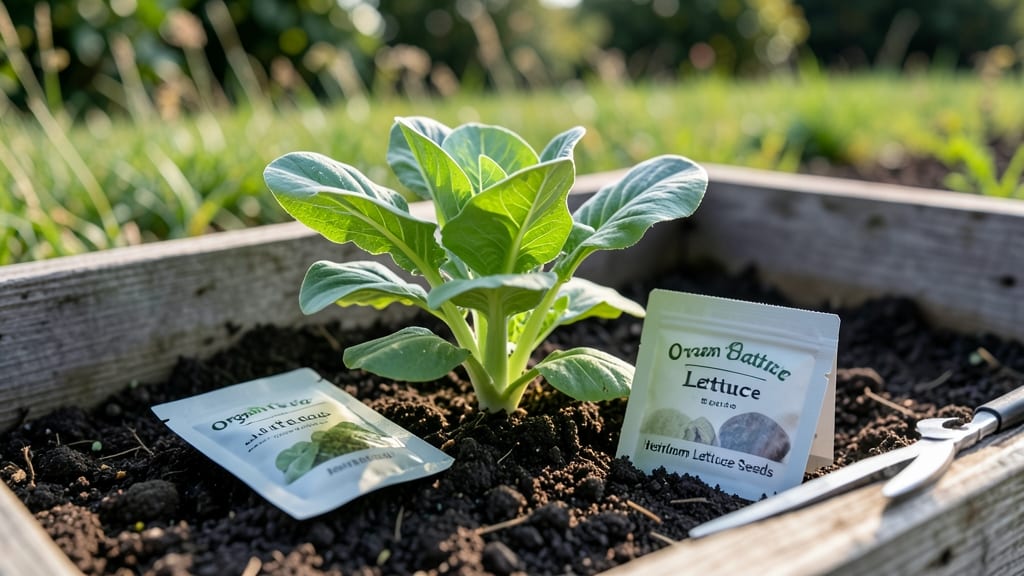
How long until seeds sprout depends entirely on the variety, with some like radishes popping up in just 3 days while others, such as peppers or tree seeds, may take 30 days or longer—creating the perfect balance of moisture, warmth, and darkness can cut that timeline significantly.
Germination speed isn't just about the seed type—it's also a science of environmental harmony. 🌱 For example, fast growers like radishes thrive in cooler temperatures, while tropical plants may need consistent warmth to activate their sprouting enzymes. Even a few degrees difference can shift your timeline by days.
I always recommend testing soil moisture with your finger before planting; overly dry conditions stall germination, while soggy soil can drown seeds before they even wake up.
What many gardeners overlook is how light exposure plays a role—some seeds (like lettuce) need sunlight to germinate, while others (like beans) sprout best in darkness. This is why starting seeds indoors with grow lights or using humidity domes can give you a head start on the growing season.
The key is matching each seed's natural habitat to your growing conditions.
💡 In This Article
- Factors Affecting Seed Germination Speed
- Fastest-Germinating Seeds for Quick Harvests
Factors affecting seed germination speed
The germination clock begins when seeds absorb water, activating enzymes that break down stored nutrients. This process is controlled by hormones like gibberellins, which signal the seed to produce proteins needed for growth.
For example, fast-sprouting radishes germinate in 3-5 days because their enzymes work efficiently at cooler 60-70°F temperatures, while slower-growing tree seeds may need 10-30 days as their biochemical pathways are more complex. 🌱
Moisture is the most critical trigger—seeds need consistent dampness (not sogginess) to activate their metabolic engines. Too little water stalls germination, while excess can suffocate seeds by blocking oxygen. The ideal moisture level is like a damp sponge: when squeezed, it releases water but doesn't drip.
Temperature also plays a starring role: most vegetables prefer 70-80°F, while cool-season crops like spinach thrive at 50-60°F. Even a 10°F swing can double or halve sprouting time.
Light exposure creates another layer of complexity. Photoblastic seeds (like lettuce) need sunlight to germinate because their hormones respond to light cues, while skotoblastic seeds (like beans) sprout best in darkness. This is why some gardeners use humidity domes or grow lights—they create the perfect microclimate.
Aeration matters too: compacted soil restricts oxygen flow, slowing down cellular respiration, which is the seed's energy source for growth. 💫
Seed genetics determine the baseline timeline, but environmental factors can override them. For instance, pepper seeds might take 2-3 weeks under ideal conditions, but if planted in cold, wet soil, they could languish for 4-6 weeks.
The key is understanding each seed's native habitat—tropical plants need warmth, while alpine seeds prefer cooler temps. Even seed age matters: older seeds have lower viability, as their enzymes degrade over time. 🔥
Here's what's actually happening at the cellular level: Once water enters, the seed's radicle (embryonic root) grows first, followed by the shoot. This two-step process explains why some seeds appear "dormant" for days—they're preparing internally before breaking through the soil.
The speed of this transition depends on the seed's evolutionary adaptations, from rapid colonizers (like crabgrass) to slow-growing perennials (like oak trees).
For practical application, test your soil's moisture and temperature before planting. Use a seedling heat mat for slow starters or a cooling mat for heat-sensitive varieties.
The goal is to mimic the seed's natural growing conditions as closely as possible—this is how you turn 30 days into 10 days of sprouting time. 🌟