Plants
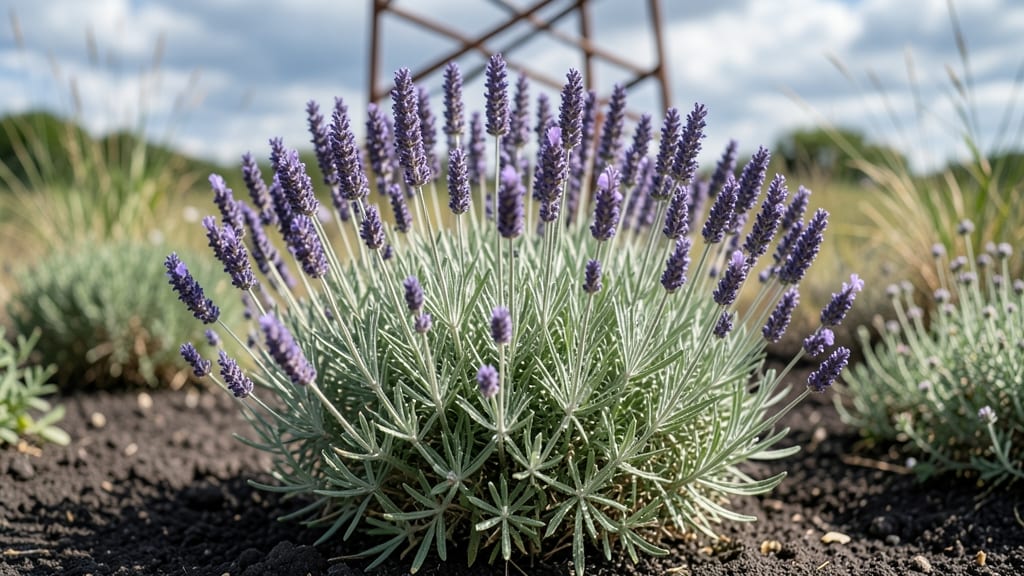
When your lavender seedling leaves turn yellow or droop, it’s not the end—just a cry for help. 🌿 I’ve nursed back more than a few struggling seedlings by fixing the three most common mistakes: overwatering, poor drainage, and nutrient starvation.
The good news? Each problem has a simple fix that gets those silvery-green leaves perking up within days.
Most wilting starts with too much water—lavender roots rot when they’re soggy. I learned this the hard way after drowning my first batch in a well-meaning (but overzealous) watering schedule. The fix?
Let the top inch of soil dry out completely between waterings, and use pots with drainage holes. A sandy, gritty mix also helps prevent compacted roots that strangle growth.
Within a week of adjusting care, you’ll see new growth pushing through. The leaves will firm up, regain their signature gray-green hue, and even release that fresh, herbal scent again.
The key is consistency—lavender thrives on neglect almost as much as it does on attention, once you get the basics right.
Once your seedlings bounce back, focus on prevention: place them in full sun (at least six hours daily), avoid rich compost (it encourages weak, floppy growth), and pinch back leggy stems to encourage bushiness. Your lavender will reward you with fragrant, sturdy plants that last for years.
Root Causes Behind Leaf Struggles
Understanding why your lavender seedling leaves are wilting, yellowing, or browning starts with identifying the hidden stressors at play. Lavender (Lavandula spp.) is a hardy but finicky plant—its delicate seedlings are especially sensitive to environmental and care missteps.
Below, we break down the most common triggers and the science behind them, so you can diagnose and fix the issue fast.
Lavender seedlings hate soggy roots—their native Mediterranean habitat thrives on dry, well-draining soil.
When roots sit in waterlogged conditions, they suffocate, leading to: - Yellowing leaves (chlorosis) from oxygen deprivation. - Mushy stems or blackened roots due to fungal infections like Phytophthora. - Wilting despite moist soil (a classic sign of root rot).
Why it happens:
- Clay or compacted soil holds excess moisture, preventing roots from breathing.
- Lack of sand/perlite in potting mixes reduces porosity, trapping water.
- Overzealous watering (e.g., daily checks) drowns roots instead of hydrating them.
Actionable fix: Use a fast-draining mix (60% mineral soil, 30% coarse sand, 10% perlite) and water only when the top 1–2 inches are bone-dry. Elevate pots to improve airflow.
While lavender tolerates dryness, severe dehydration causes leaves to:
- Curl or crisp at the edges (like parchment paper).
- Drop prematurely, especially in hot weather.
- Turn grayish-green as cells collapse from water loss.
Why it happens:
- Small pots dry out faster than the soil can replenish moisture.
- Low humidity (common indoors) increases transpiration, pulling water out of leaves.
- Root systems are underdeveloped in seedlings, limiting water uptake.
Actionable fix:
- Water deeply but infrequently—soak the root ball until water drains freely.
- Mulch with gravel (not organic mulch) to retain soil moisture without suffocating roots.
- Move seedlings to brighter light (they need 6+ hours of sun daily) to balance water needs.
Lavender seedlings often show leaf discoloration when lacking key nutrients:
- Yellow lower leaves → Nitrogen deficiency (old leaves can’t recycle nutrients).
- Purple-tinged stems/leaves → Phosphorus shortage (critical for root growth).
- Weak, pale new growth → Magnesium or iron deficiency (chlorosis between veins).
Why it happens:
- Over-fertilizing (especially with nitrogen) burns roots, preventing nutrient uptake.
- Poor soil quality (e.g., peat-heavy mixes) lacks micronutrients like iron or zinc.
- pH imbalances (lavender prefers 6.0–7.5; acidic soil locks out nutrients).
Actionable fix:
- Test soil pH and amend with lime if too acidic.
- Use a balanced, slow-release fertilizer (5-10-5 ratio) once in spring, avoiding summer feeds.
- Add compost tea for micronutrients, but avoid fresh manure (too much nitrogen).
Tiny invaders or pathogens can sap lavender seedlings’ strength, leading to:
- Sticky leaves/honeydew → Aphids or whiteflies (they inject toxins, causing curling).
- Black spots or mold → Fungal issues (like powdery mildew) from high humidity.
- Holes or chewed edges → Slugs, snails, or spider mites (common in damp conditions).
Why it happens:
- Weak seedlings (from stress like overwatering) are easy targets.
- Crowded plants reduce airflow, trapping moisture and pests.
- Outdoor seedlings attract pests without natural predators.
Actionable fix:
- Isolate affected seedlings and spray with neem oil (1 tsp per quart of water).
- Encourage beneficial insects (ladybugs, lacewings) by planting dill or marigolds nearby.
- Prune damaged leaves with sterilized scissors to prevent spread.
Lavender seedlings struggle with sudden changes, leading to:
- Brown, crispy leaf tips → Low humidity + high heat (transpiration outpaces water uptake).
- Drooping or stunted growth → Cold drafts or frost (below 20°F/-7°C damages cells).
- Leaf scorch → Direct afternoon sun (young leaves lack protective wax coatings).
Why it happens:
- Indoor seedlings near AC vents or heaters experience temperature swings.
- Outdoor seedlings planted too early face frost heave (roots lifting from freeze-thaw cycles).
- Plastic pots trap heat, cooking roots in full sun.
Actionable fix:
- Acclimate seedlings to outdoor conditions over 7–10 days (gradual sun exposure).
- Use terracotta pots (breathable and heat-resistant) for better temperature regulation.
- Provide shade cloth (30–50%) if growing in intense afternoon sun.
Moving seedlings—even to larger pots—can disrupt root systems, causing:
- Wilting within days of repotting (roots need time to regrow).
- Yellowing leaves as the plant redirects energy to root recovery.
- Stunted growth if roots were bruised during handling.
Why it happens:
- Disturbed root balls (especially fibrous lavender roots) take 2–4 weeks to recover.
- Over-potting too soon leads to excessive moisture retention in unused soil.
- Using root stimulants incorrectly can stress seedlings further.
Actionable fix:
- Repot only when roots fill the current container (gentle squeeze test).
- Trim damaged roots with clean shears before repotting.
- Water lightly after transplanting to avoid washing away soil contact.
Reviving Your Lavender Seedling Leaves
If your lavender seedlings are struggling, don’t panic—most issues have simple fixes! Below are practical, step-by-step solutions tailored to common problems like wilting, yellowing, or stunted growth. Each fix includes prevention tips to keep your seedlings thriving long-term.
Cause: Overwatering, underwatering, or root stress. Solution:
- Check soil moisture 💧—stick your finger 1–2 inches deep. If dry, water deeply until it drains from the bottom. If soggy, let it dry out for 1–2 days.
- Adjust watering habits 🔄—lavender prefers dry soil between waterings. Use a well-draining pot with holes and avoid sitting in saucers of water.
- Trim damaged roots (if repotting) ⏰—gently rinse roots, snip any mushy black sections with clean scissors, and replant in fresh, sandy soil.
Prevention Tips: ✔ Water only when the top inch is dry—overwatering is the #1 killer of lavender seedlings. ✔ Use a moisture meter for accuracy (especially in humid climates). ✔ Mulch lightly with gravel (not organic mulch) to improve drainage.
Cause: Overwatering, nutrient deficiency, or fungal issues. Solution:
- Flush the soil 🚿—if roots smell sour or soil is compacted, repot with a 50/50 mix of cactus/succulent soil and perlite.
- Fertilize lightly 🌿—use a balanced, diluted fertilizer (half-strength) every 4–6 weeks in spring/summer. Avoid high-nitrogen feeds.
- Check for pests 🐜—inspect undersides of leaves for aphids or spider mites. Spray with neem oil (1 tsp per quart of water) if needed.
Prevention Tips: ✔ Test soil pH (ideal: 6.0–7.5)—lavender hates soggy, alkaline soil. ✔ Rotate pots for even sunlight exposure to prevent uneven growth. ✔ Avoid cold water—use room-temperature water to shock roots less.
Cause: Poor light, root-bound seedlings, or weak stems. Solution:
- Move to brighter light ☀️—lavender seedlings need 6+ hours of direct sun daily. A south-facing window or grow light works best.
- Prune leggy stems ✂️—trim back overgrown stems by 1/3 to encourage bushier growth. Use clean scissors to avoid disease.
- Repot if root-bound 🏺—if roots circle the pot, upgrade to a slightly larger container (no more than 2 inches wider) with fresh soil.
Prevention Tips: ✔ Start with the right pot size—smaller pots (3–4 inches) prevent overwatering. ✔ Pinch back new growth in early spring to promote compact plants. ✔ Hardening off seedlings 🌱—gradually expose them to outdoor conditions over 1–2 weeks before transplanting.
Pro Tip: 💡 Lavender seedlings are drought-tolerant—underwatering is better than overwatering! If leaves crisp at the edges, reduce watering immediately.
With these fixes, your lavender seedlings should perk up in 1–2 weeks. Monitor their progress and adjust care as needed—your fragrant, healthy plants are just around the corner! 🌸
Frequently asked questions about lavender seedling leaves
Why are my lavender seedling leaves turning yellow?
Yellowing leaves usually signal overwatering or nutrient deficiencies. Lavender seedlings thrive in dry soil—check if the top inch is bone-dry before watering. If roots smell sour or soil feels compacted, repot with a sandy, gritty mix (60% mineral soil, 30% sand, 10% perlite) to improve drainage.
Can I prune damaged leaves from my lavender seedlings?
Yes! Use clean scissors to trim brown, crispy, or diseased leaves at the base. This prevents pests from spreading and helps the plant focus energy on new growth. Avoid cutting healthy stems—just remove what’s damaged.
How much sunlight do lavender seedlings really need?
Seedlings require 6+ hours of direct sun daily—they’re Mediterranean plants! Start with morning sun (3–4 hours) and gradually increase exposure over 7–10 days to avoid leaf scorch. A south-facing window or grow light works indoors.
What’s the best fertilizer for lavender seedlings?
Use a balanced, diluted fertilizer (5-10-5 ratio) once in spring, mixed to half-strength. Avoid high-nitrogen feeds—they encourage weak, floppy growth. Organic options like compost tea (diluted) work too, but skip fresh manure.
Why do my lavender seedling leaves look grayish or dull?
Grayish leaves often mean underwatering or low humidity. Soak the root ball until water drains freely, then let it dry out completely. Move seedlings to brighter light (they need full sun) and avoid plastic pots that trap heat. Mulch with gravel (not organic mulch) to retain moisture.