
Lawn
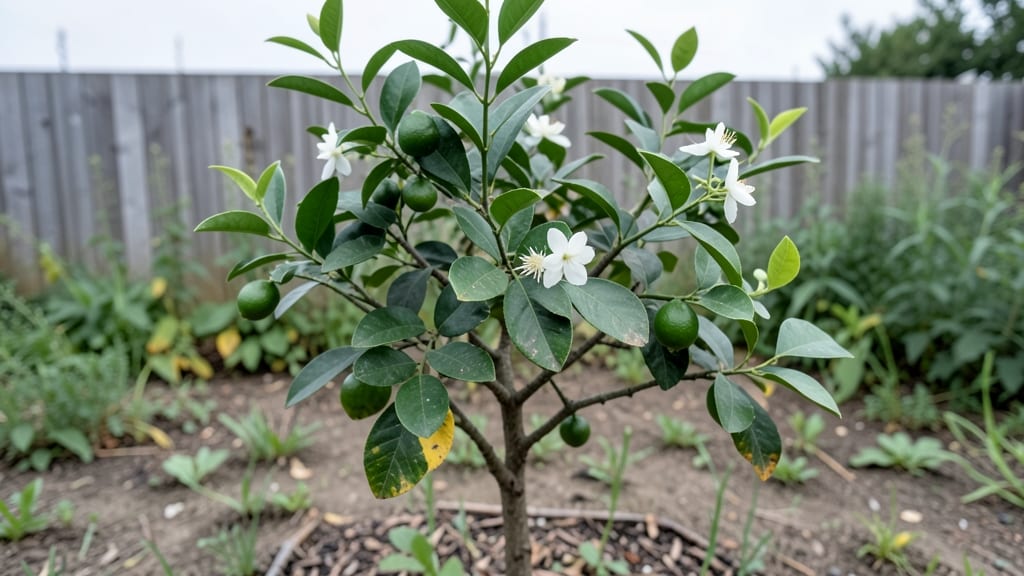
Transforming lemon seed growth into lush plants is easier than you’d think—just a warm spot and a damp paper towel can slash germination time in half. 🌱 I’ve struggled with slow-sprouting citrus seeds for years—until I discovered how this simple trick works. a weeks-long wait into a matter of days.
The secret isn’t complicated, but it makes all the difference between giving up and watching those first green shoots break through.
You’ll need just a few supplies: fresh lemon seeds (the fresher, the better), a warm spot near a sunny window, and a shallow container with damp paper towels or a mix of peat moss and perlite.
The warmth trick works because citrus seeds germinate faster in temperatures between 70°F and 80°F—closer to what they’d experience in their native tropical climates. Most people overlook this, and that’s why their seeds take forever or never sprout at all.
Within 7 to 14 days, you’ll see tiny roots poking through the paper towel or soil, and within a month, you’ll have sturdy seedlings ready for their first pots.
The key is keeping the paper towel consistently moist (not soggy) and placing it in a sealed plastic bag to trap warmth. Once the seedlings have two sets of leaves, they’re ready to move into individual pots with well-draining soil—this is where most beginners make their first mistake by overwatering.
This method works for any citrus seed—limes, oranges, even grapefruit—but lemons respond fastest. The trick isn’t just about speed; it’s about giving those seeds the confidence boost they need to grow into strong, productive plants.
Once you’ve mastered it, you’ll never buy lemon trees again—just save your seeds and start fresh every season.
📚 In This Guide
- What you need
- Instructions
- Tips and common mistakes
- Wrapping up and next steps
What you need
- ● Fresh lemon seeds: 3–5 seeds from organic, seed-bearing lemons (avoid hybrid varieties like Meyer lemons—they may not produce true fruit).
- ● Small pots or seed trays: 3–4 inch diameter pots with drainage holes (or a seed-starting tray with individual cells).
- ● Well-draining potting mix: A lightweight blend of peat moss, perlite, and coco coir (or a pre-mixed seed-starting mix). Avoid garden soil—it’s too dense!
- ○ Warmth source: Heat mat: Optional but highly recommended for speeding up germination (set to 75–85°F).
- ● Warm location: A sunny windowsill near a heater, or a greenhouse.
- ● Spray bottle: For gentle watering (avoid over-saturating the soil).
- ● Plastic wrap or humidity dome: To retain moisture during germination.
- ● Seed starter pellets: Convenient for germinating seeds without soil.
- ● Grow lights: If natural light is limited (12–16 hours/day).
- ● Fertilizer (diluted): A balanced liquid fertilizer (5-5-5) once seedlings sprout true leaves.
- ● Labels & markers: To track planting dates and varieties.
Step-by-step instructions for growing lemon trees from seed
Here's my foolproof method to coax lemon seeds into sprouts—no fancy equipment needed.
🌱 Step 1: Extract and Prepare the Seeds
Start with fresh lemons—older seeds germinate poorly. Cut the fruit in half and scoop out the seeds, rinsing them gently under cool water to remove any pulp. Place the seeds in a small bowl and cover them with lukewarm water for 24 hours. This softens the outer shell, helping roots break through faster.
After soaking, drain the water and let the seeds air-dry on a paper towel for 10-15 minutes. Pat them dry with another towel—moisture on the seeds can cause rot before they even sprout. I like to label a small container with the date, since germination can take 3-4 weeks if conditions aren't perfect.
💧 Step 2: Plant Seeds in Moistened Soil
Fill a small pot—4-6 inches deep—with the potting mix you’ve pre-moistened until it feels like a damp sponge. Press the soil down lightly with your fingers to remove air pockets, but don’t pack it too tightly. Lemon seeds need loose, well-draining soil to avoid root rot.
Plant the seeds ½ inch deep, spacing them 1 inch apart. Cover them lightly with a thin layer of soil, then mist the surface with a spray bottle until evenly damp. Don’t overwater—you want the soil to stay moist but not soggy. I place a clear plastic bag over the pot to create a mini greenhouse, securing it with a rubber band to trap warmth and humidity.
☀️ Step 3: Provide Warmth and Indirect Light
Lemon seeds need warmth to germinate—place the pot in a spot where the soil stays between 70-80°F. A sunny windowsill works, but avoid direct midday sun, which can overheat the soil. If your home runs cooler, set the pot on top of a refrigerator or use a seedling heat mat for 24 hours a day until sprouts appear.
Check the soil daily—it should stay consistently moist but never waterlogged. If the plastic bag fogs up, that’s a good sign! Condensation means humidity levels are ideal. Once you see tiny green sprouts (usually in 2-3 weeks), remove the bag immediately to prevent fungal growth.
🌿 Step 4: Transplant and Encourage Strong Growth
When seedlings reach 3-4 inches tall and have 2-3 true leaves, it’s time to transplant them into individual 6-inch pots. Gently loosen the roots with a spoon, then place each seedling in its own pot filled with fresh potting mix. Press the soil lightly around the base to secure the plant.
Move the pots to a bright, indirect-light area—like an east-facing window—to prevent leggy growth. Lemon trees need 6+ hours of sunlight daily, but too much direct sun too soon can scorch tender leaves. Rotate the pots weekly so the plants grow straight instead of leaning toward the light.
⏰ Step 5: Maintain and Prune for a Bushy Tree
Water when the top inch of soil feels dry, but avoid soggy conditions—lemon trees hate wet feet. Once a month, fertilize with a balanced liquid fertilizer diluted to half-strength. Prune leggy stems or overcrowded branches with clean scissors to encourage a bushier shape.
By 6-12 months, your lemon tree should be sturdy enough to handle outdoor conditions—if you live in a warm climate. If frost is possible, keep it indoors near a sunny window. Patience is key—fruit may take 3-5 years, but the journey is worth it!
Tips & tricks for lemon seed sprouting success
These little tricks will help you bypass the long wait and get those lemon seeds sprouting faster than you'd expect.
Soaking Secret: That 24-hour lukewarm water soak isn't just for softening—it's also a great time to check seed quality. After soaking, gently press each seed between your fingers. If it feels rock-hard, it might not sprout. Discard any that don't dent slightly—they'll waste your time and soil. This simple check can save you from disappointment down the road.
Temperature Matters: The instructions mention keeping soil between 70-80°F, but here's the thing: most homes run cooler than 70°F, especially at night. I've found that placing the pot on top of a refrigerator works wonders because the appliance generates just enough warmth. If you don't have that option, try setting your pot on a heating pad set to low—just make sure it's not too hot, or you'll cook those seeds instead of helping them grow.
Transplant Timing: Waiting until seedlings reach 3-4 inches tall before transplanting might seem like a long wait, but there's a reason for it. At this stage, the roots have developed enough to handle the move without going into shock. I've seen people rush the transplant and end up with stunted growth. If you're impatient, you can gently transplant when they hit 2 inches, but be prepared for slightly slower initial growth after the move.
Lighting Hack: That east-facing window is perfect, but what if you don't have one? Grow lights are ideal, but even a simple LED desk lamp placed 6-12 inches above the plants works in a pinch. Just remember to keep it on for 6+ hours daily and rotate the pots weekly. I've used a timer on my lamp to maintain consistency—no more forgetting to move the plants around!
Pro Tips for Lemon Seed Growth
- These little tricks will help you bypass the long wait and get those lemon seeds sprouting faster than you'd expect.
- Soaking Secret: That 24-hour lukewarm water soak isn't just for softening—it's also a great time to check seed quality.
- Temperature Matters: The instructions mention keeping soil between 70-80°F, but here's the thing: most homes run cooler than 70°F, especially at night.
Frequently asked questions
Got questions about growing lemons from seed? You’re not alone! Here are some of the most common queries—and their straightforward answers—to help you get started on your citrus-growing journey.
How long does it take for lemon seeds to sprout?
With the warmth trick, lemon seeds typically sprout in 10–21 days. Keep them in a cozy, moist environment (like a warm spot near a heater or under grow lights) to speed up germination. Patience is key—some seeds may take longer, especially if they’re older or dried out.
Can I grow lemon seeds indoors without sunlight?
Yes! Use a grow light (like a LED bulb) for 12–16 hours daily to mimic sunlight. Place the tray near a sunny window if possible, but avoid direct drafts or cold spots. A small greenhouse or plastic wrap tent can also help retain warmth and humidity while they sprout.
What if my lemon seeds rot instead of sprouting?
Overwatering or poor drainage is usually the culprit. Ensure your seeds are in a well-draining mix (like a 50/50 peat-perlite blend) and only keep the soil lightly moist—not soggy. If rot happens, remove the affected seeds, dry the mix, and replant fresh seeds with better airflow.
Will lemon trees grown from seed taste like store-bought lemons?
Probably not! Seed-grown trees may produce smaller, tart, or seed-bearing lemons (unlike grafted varieties). For sweet, juicy lemons, consider grafting a known variety onto your seedling later. But don’t worry—even "ugly" lemons are great for cooking or zest!
How big should my lemon seedling be before transplanting outdoors?
Wait until your seedling has 4–6 true leaves and is at least 6 inches tall. Harden it off gradually by moving it outside for a few hours daily over 1–2 weeks. Choose a warm, sunny spot (zones 9–11) and plant after the last frost—lemon trees hate cold!
Still stumped? Drop your question in the comments—we’ve got you covered!
Wrapping up and next steps
Growing lemons from seeds is a rewarding journey that blends patience with a little scientific know-how! 🌱 By harnessing the power of warmth—like the warmth trick—you can speed up sprouting and nurture a thriving plant.
Whether you’re aiming for a fragrant indoor herb garden or a future citrus tree, every seed has the potential to grow into something beautiful with the right care.
Ready to take the next step? Start with just one seed today! Grab your supplies, follow the steps, and watch your lemon seed transform into a lush, green plant. Who knows? You might just grow your own homegrown lemons in no time! 🍋✨