
Pruning
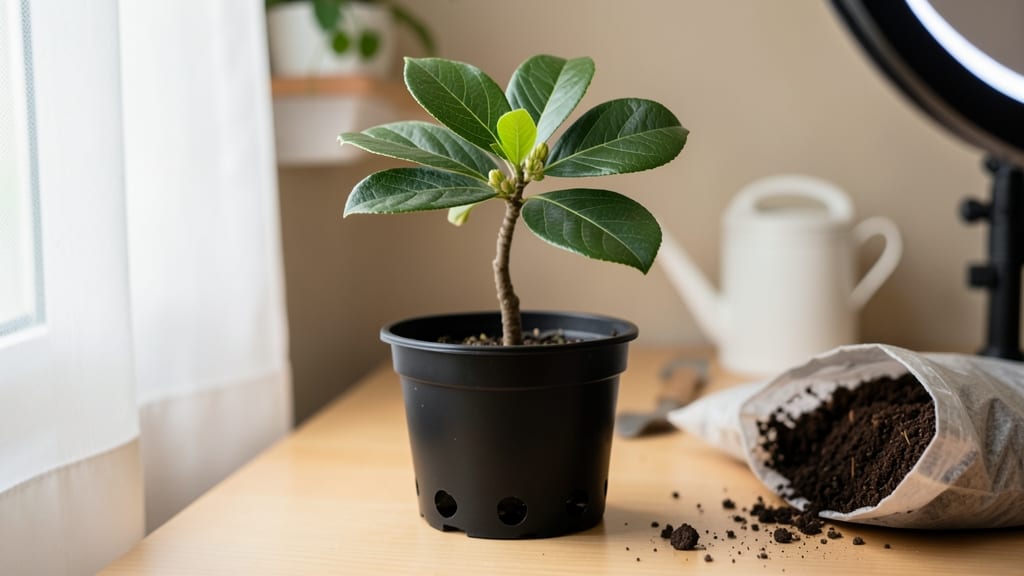
Growing a loquat tree from seedling lets you taste tropical fruit right in your own yard—even if you've never grown fruit trees before. 🌱 I started with a single seedling and now have a small grove producing sweet, honey-flavored fruit every winter.
The key isn't complicated: it's matching the plant's needs to your climate and giving it patience.
You'll need well-draining soil, a spot that gets full sun for at least 6 hours daily, and a watering routine that keeps the roots moist but never soggy.
Loquats thrive in warm climates but can survive brief cold snaps once established. For young seedlings, a 5-gallon pot works perfectly while they grow their roots.
By following these three simple steps—proper planting, consistent care, and smart pruning—you'll watch your seedling transform into a sturdy tree with glossy leaves and fragrant white blossoms. The first harvest might take 3-5 years, but the journey is what makes it rewarding.
Works beautifully in USDA zones 7-10, though container growing extends possibilities for cooler areas. Here's how to get your loquat tree off to the right start without the guesswork.
📚 In This Guide
- What you need
- Instructions
- Tips and common mistakes
- Wrapping up and next steps
What you need
- ● Loquat tree seedling: 1 healthy, disease-free seedling (age 1-2 years for best results). Check for vibrant leaves and sturdy stems!
- ● Well-draining potting mix: 5-10 gallons (for containers) or amend garden soil with compost (1 part compost to 3 parts soil) for in-ground planting.
- ● Pruning tools: Bypass pruners (for small branches, <1 inch thick)
- ● Loppers (for thicker branches, up to 2 inches)
- ● Sharp pruning saw (for stubborn, woody growth)
- ● Organic mulch: 2-3 inches of wood chips or straw to retain moisture and regulate soil temperature.
- ● Fertilizer: Balanced 10-10-10 or citrus-specific fertilizer (follow package rates).
- ● Watering can or hose: With a gentle spray nozzle for hydration without damaging tender seedlings.
- ● Root stimulator (to boost transplant shock recovery)
- ● Slow-release fertilizer pellets (for convenience)
- ● Plant support stake (if growing in windy areas)
- ● Garden gloves (to protect your hands from thorns)
- ● pH test kit (ideal soil pH: 6.0–7.0 for loquats)
Step-by-Step instructions for growing a loquat tree seedling
Here's how to nurture your loquat seedling into a thriving tropical tree—no green thumb required.
🌱 Step 1: Plant the Seed in Well-Draining Soil
Fill a 4-inch pot with a mix of 50% potting soil and 50% perlite—this ensures your seedling won’t drown. Loquats hate soggy roots, so drainage is key. Tap the pot gently to settle the mix, then press a single seed ½ inch deep into the center. Cover lightly with extra soil, leaving just a tiny gap for sunlight.
Water the soil until it’s moist but not saturated—think of a wrung-out sponge. Place the pot in a warm spot with bright, indirect light (no harsh sun yet). You’ll see the first tiny sprout in 4-6 weeks, so patience is your friend here. If the soil dries out completely, germination slows or stops—check moisture every few days.
☀️ Step 2: Transition to Sunlight Gradually
Once your seedling sprouts its first true leaves (not the initial seed leaves), move it to a location with morning sun and afternoon shade. Loquats love warmth but can scorch easily. Start with just 2-3 hours of direct sun daily, then increase by 1 hour weekly until it tolerates 6-8 hours of full sun.
Watch for signs of stress: yellowing leaves mean too much sun, while leggy growth means it needs more light. Rotate the pot a quarter turn weekly so the seedling grows straight. After 8-12 weeks, when the seedling reaches 6 inches tall, it’s ready for a 6-inch pot with fresh soil mix. Transplant on a cloudy day to avoid shock.
🪴 Step 3: Care for Long-Term Growth
Water your loquat seedling when the top inch of soil feels dry—overwatering is the #1 killer of young trees. Use room-temperature water to avoid shocking the roots. Feed with a balanced fertilizer (10-10-10) every 2 months during spring and summer, but skip fertilizer in fall and winter when growth slows.
Prune any yellow or damaged leaves with clean scissors to keep the tree healthy. By 1-2 years old, your loquat will need a 12-inch pot or outdoor planting in a frost-free zone. If you’re growing indoors, place it near a south-facing window or under a grow light for 12-14 hours daily. With time, you’ll have a lush tree bearing sweet, citrusy fruit!
Tips & tricks for perfect loquat tree seedling growth
A few simple tricks can make all the difference in helping your tropical tree thrive from the start.
Soil Mix Matters: That 50/50 soil-perlite mix in Step 1 is non-negotiable for loquats. I've seen seeds fail when people use regular garden soil—it compacts too much and suffocates roots. If you don't have perlite, coarse sand works in a pinch, but perlite's drainage is ideal. Pro tip: Sterilize your potting mix first by baking it at 200°F for 30 minutes to kill any pathogens that could harm your delicate seedling.
Germination Timing: The 4-6 week window for sprouting can feel like forever, but here's what nobody tells you—germination slows dramatically if the soil dries out completely. I keep a spray bottle handy to give the soil a quick mist every 2-3 days during this waiting period. If you're impatient, place the pot in a clear plastic bag (not sealed) to create a humid microclimate—this can speed up germination by a week or two.
Sunlight Transition Strategy: When you're increasing sunlight in Step 2, think of it like sunbathing—you wouldn't go from zero to full sun either! I start with just 1 hour of morning sun on day one, then add 15 minutes each subsequent day. Watch for tiny yellow spots on leaves as your warning sign—this means you've added too much sun too quickly. Remember, afternoon sun is more intense, so save those longer hours for morning exposure.
Pot Size Upgrade: The 6-inch pot upgrade after 8-12 weeks is crucial—your seedling's roots will be cramped in that 4-inch starter. I always add a handful of worm castings to the fresh soil mix for extra nutrients. If you're growing indoors, choose a pot with drainage holes and consider adding a cache pot (a decorative outer pot) once your tree outgrows its functional container.
Pro Tips for Loquat Tree Seedling
- A few simple tricks can make all the difference in helping your tropical tree thrive from the start.
- Soil Mix Matters: That 50/50 soil-perlite mix in Step 1 is non-negotiable for loquats.
- Germination Timing: The 4-6 week window for sprouting can feel like forever, but here's what nobody tells you—germination slows dramatically if the soil dries out completely.
Frequently asked questions
Got questions about growing loquat tree seedlings?
You’re not alone! Here are answers to the most common queries to help you nurture your tropical fruit promise with confidence.
How long does it take for a loquat tree seedling to bear fruit?
A loquat tree seedling grown from seed typically takes 5–7 years to bear fruit, while grafted seedlings may produce fruit in 3–5 years. Patience is key—focus on proper care (sunlight, water, and soil) to speed up maturity!
Can loquat tree seedlings survive cold winters?
Loquat trees are tender to frost and thrive in USDA zones 8–11. If you live in colder areas, grow them in containers and move them indoors during winter or plant them near a south-facing wall for protection. Mulching also helps insulate roots.
What’s the best soil mix for loquat tree seedlings?
Use a well-draining, slightly acidic soil mix (pH 5.5–6.5) with equal parts potting soil, perlite, and compost. Avoid heavy clay—root rot is a risk! For container seedlings, ensure pots have drainage holes to prevent waterlogging.
Why aren’t my loquat seedlings growing? Troubleshooting tips
Check these common issues:
Yellow leaves? Overwatering or poor drainage—let soil dry slightly between waterings.
Slow growth? Low light or nutrient deficiency—move to full sun (6+ hours/day) and fertilize lightly with citrus-specific food.
Wilting? Underwatering or pests—inspect for aphids and adjust watering.
Most problems fix quickly with the right care!
Can I grow loquat tree seedlings from store-bought fruit?
Yes! Save seeds from ripe loquat fruit, clean them, and plant them in moist soil. However, seed-grown trees may not produce fruit true to the parent plant. For guaranteed fruit quality, opt for grafted seedlings from a nursery.
Wrapping up and next steps
Growing a loquat tree seedling is a rewarding journey that brings tropical beauty and delicious fruit right to your doorstep! 🌱 With the right tools, patience, and care—like selecting healthy seedlings, proper pruning, and consistent watering—you’ll nurture a thriving tree in no time.
Whether you’re a beginner or a seasoned gardener, the key is to start small, stay consistent, and enjoy the process.
Ready to take the next step? Plant your seedling today and watch it flourish—your future loquat harvest awaits! 🍑 For extra guidance, explore pruning techniques or check local climate tips to keep your tree happy year-round.