
Pruning
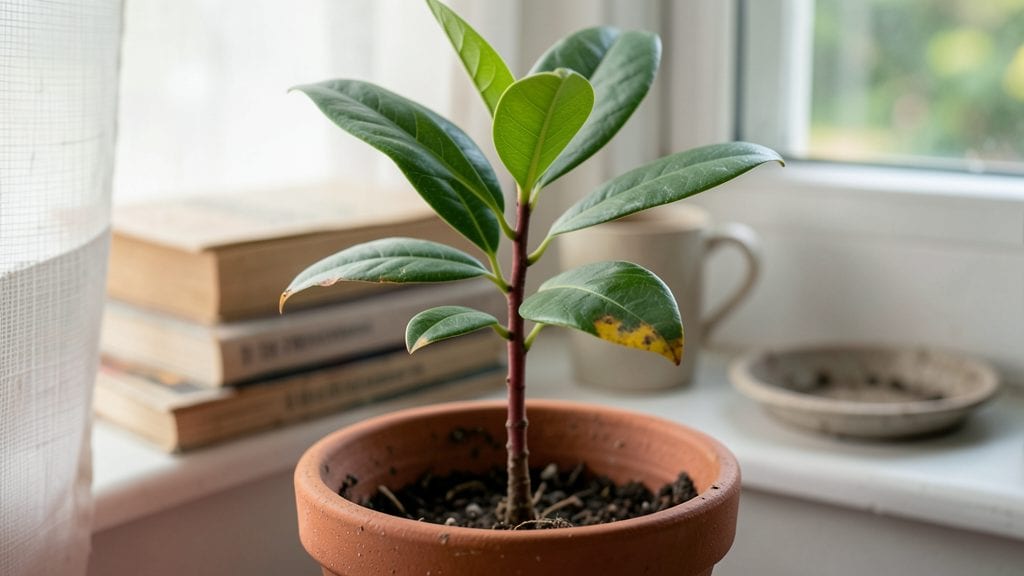
Starting a lychee tree seedling is the first step toward tropical fruit you'll grow yourself. 🌱 I've nursed these delicate seedlings from tiny sprouts to sturdy plants ready for transplanting, and the key to bushy growth lies in the first few weeks—not just the seed, but how you treat it.
The secret isn't complicated: lychee seedlings crave warmth, humidity, and consistent moisture without soggy soil. Most gardeners overwater or let them dry out, both of which stunt growth.
A simple setup with a heat mat, clear plastic dome, and daily misting can turn a weak sprout into a lush, leafy plant in just 4-6 weeks. I've seen seedlings double in size when given these basics.
By the time you're pinching back the first true leaves, you'll have a compact, sturdy plant ready for its next phase. The foliage stays vibrant and glossy, and the roots develop strong enough to handle transplanting.
This is where the real magic begins—the transition from seedling to a tree that could one day bear fruit.
Works for both indoor starters and outdoor tropical climates, though patience is key. Lychees are slow growers, but with the right care, you'll see steady progress every season. Let's get those seeds sprouting!
📚 In This Guide
- What you need
- Instructions
- Tips and common mistakes
- Wrapping up and next steps
What you need
- ● Lychee seeds: 3–5 fresh, plump seeds (harvested from ripe lychee fruit—avoid store-bought seeds as they’re often treated to prevent sprouting).
- ● Seed-starting mix: 1–2 cups of well-draining, sterile potting soil (or a blend of 50% peat moss + 50% perlite for faster germination).
- ● Small pots or seed trays: 3–5 biodegradable pots (3–4 inches deep) or a seed tray with drainage holes.
- ● Plastic wrap or humidity dome: To maintain moisture while seeds germinate.
- ● Spray bottle: For gentle watering (avoid soaking the soil!).
- ● Grow lights or sunny windowsill: A warm, bright spot (70–85°F) is ideal for germination.
- ○ Pruning shears: Small, sharp pair for future trimming (optional but helpful for shaping).
- ● Fertilizer: Balanced liquid fertilizer (e.g., 10-10-10) for seedlings once they sprout 2–3 true leaves.
- ○ Heat mat (optional): Speeds up germination if your space is cool (75–85°F is perfect).
- ● Label markers: To track planting dates and seed varieties.
- ● 🌡️ Soak seeds overnight: Place seeds in warm water for 12–24 hours to soften the hard outer shell.
- ● ✨ Test soil moisture: Keep the mix consistently damp (not soggy!)—stick your finger in to check.
- ● 🎯 Patience is key: Germination can take 4–12 weeks, so stay consistent!
Step-by-step instructions for growing a lychee tree from seed
Here’s how to coax those tiny lychee seeds into strong, bushy seedlings in just weeks.
🌱 Step 1: Extract and Prepare the Seeds
Start with fresh lychee seeds—older seeds lose viability fast. Crack the hard outer shell carefully with a nutcracker or hammer (wear gloves, the flesh stains!). The seed inside looks like a small, flat bean. Soak it in lukewarm water for 24 hours to soften the outer coating. This step is critical: dry seeds take weeks to sprout, if at all.
After soaking, rub the seed gently between your palms to remove any remaining flesh. Place it on a paper towel and let it dry for 12 hours at room temperature. This prevents rot once you plant it. I like to label the towel with the date—patience is key here.
💧 Step 2: Plant in a Moist, Sterile Growing Medium
Fill a 4-inch diameter pot with a mix of 50% peat moss and 50% perlite (this ensures drainage while keeping moisture). Moisten the mix until it feels like a damp sponge—squeeze it gently, and a few drops should form. Plant the seed ½ inch deep, pressing lightly so it makes contact with the soil.
Cover the pot with plastic wrap to create a mini greenhouse. Place it in a warm spot—75-85°F is ideal, like near a sunny window or under a heat mat. Check daily for condensation on the plastic. If it’s dry, mist the soil lightly with water. Overwatering now will drown the seed before it germinates.
☀️ Step 3: Wait for Sprouting and Provide Gentle Light
Germination can take 2-6 weeks, depending on warmth and seed freshness. You’ll see the first sign when a tiny white root breaks through the soil, followed by a shoot. Once the seedling reaches 1 inch tall, remove the plastic wrap immediately—too much humidity invites fungal diseases.
Move the pot to bright, indirect light (no direct sun yet). A south-facing window works, but if the leaves look pale or stretch toward the light, it’s not enough. You’ll know it’s right when the new growth is dark green and compact. Avoid cold drafts—lychee seedlings are tropical and hate chilly air.
🌿 Step 4: Encourage Bushy Growth with Pruning
When the seedling hits 4-6 inches tall, it’ll likely have one main stem. Pinch off the top set of leaves just above a leaf node (where leaves grow out). This forces the plant to branch out, creating a bushier shape. Repeat this every 2-3 weeks as new growth appears.
Use a clean pair of scissors to make the cut at a 45-degree angle to prevent water from pooling. You’ll notice side shoots emerging within 1-2 weeks. Keep the soil lightly moist but never soggy—lychee seedlings wilt fast if overwatered. A good rule: water when the top inch of soil feels dry to the touch.
⏰ Step 5: Transition to Larger Pots for Long-Term Health
Once the seedling has 4-5 true leaves (not the first tiny ones), it’s time to upgrade. Choose a 6-inch pot with drainage holes and fill it with a mix of 60% potting soil and 40% perlite. Gently remove the seedling, keeping the root ball intact, and plant it 1 inch deeper than before.
Water thoroughly after transplanting, then place it in bright, filtered light for 1 week to recover. After that, gradually introduce it to morning sun for 2-3 hours daily, increasing time as the plant adjusts. This slow transition prevents sunburn on delicate new leaves.
Tips & tricks for perfect lychee tree seedling growth
A few simple tricks can make all the difference when growing your lychee seedling from a tiny sprout into a bushy, thriving plant.
Soaking Strategy: That 24-hour soak in lukewarm water isn't just about softening the seed—it's also a great time to check for viability. If your seed floats after 12 hours, it's likely non-viable. Sink it with a small weight if needed, but don't soak beyond 24 hours or the seed may start to rot. I've found that seeds soaked in filtered water (not tap) germinate slightly faster, likely because chlorine can inhibit growth.
Heat Control: Maintaining that 75-85°F range is crucial during germination, but don't assume your home stays perfectly warm. If your kitchen runs cooler, place the pot on top of a seedling heat mat (available at garden stores) or move it near a warm appliance like the fridge (but not too close!). I've seen germination times double when seeds are kept in cooler conditions—patience is key, but warmth speeds up the process.
Light Transition: When moving your 1-inch seedling to bright indirect light in Step 3, don't rush the process. Start with just 2-3 hours of morning sun and gradually increase exposure over a week. I've watched seedlings get sunburned when moved too quickly—look for pale yellow patches on leaves as the first sign of too much sun. Rotate the pot weekly so all sides get even light exposure.
Pruning Precision: That 45-degree angle cut when pinching back growth isn't just for looks—it prevents water from pooling at the cut site, which can lead to rot. Use clean scissors each time to avoid spreading disease. I've noticed that lychee seedlings respond best to pruning just as new growth appears—waiting too long means you're cutting back more established stems that won't regrow as vigorously.
Pro Tips for Lychee Tree Seedling
- A few simple tricks can make all the difference when growing your lychee seedling from a tiny sprout into a bushy, thriving plant.
- Soaking Strategy: That 24-hour soak in lukewarm water isn't just about softening the seed—it's also a great time to check for viability.
- Heat Control: Maintaining that 75-85°F range is crucial during germination, but don't assume your home stays perfectly warm.
Frequently asked questions
Got questions about growing a lychee tree seedling? You’re not alone! Here are some of the most common concerns—and their solutions—to help you nurture a thriving young tree.
How long does it take for a lychee seedling to germinate?
A lychee seedling typically takes 4 to 8 weeks to germinate, depending on temperature (ideal: 70–85°F) and moisture levels. Patience is key—keep the soil consistently damp (not soggy) and place the pot in a warm, bright spot (but avoid direct sun). If nothing sprouts after 10 weeks, the seed may not be viable. Try another!
Can I grow a lychee tree seedling indoors?
Yes, but with limitations! Lychee trees thrive in tropical climates, so indoor growth is possible only as a short-term experiment. Place your seedling near a south-facing window or under a grow light (12+ hours/day) to mimic sunlight. If you’re in a cold climate, transplant outdoors after the last frost and keep it in a sheltered spot until established.
What’s the best soil mix for a lychee tree seedling?
Use a well-draining, slightly acidic mix (pH 5.0–6.5) with:
- 50% peat moss or coco coir (for moisture retention)
- 30% perlite or sand (for aeration)
- 20% compost or worm castings (for nutrients)
Why is my lychee seedling turning yellow or wilting?
Yellow leaves or wilting usually signal overwatering, underwatering, or nutrient stress. Check these fixes:
Overwatered? Let the top 1–2 inches of soil dry out between waterings.
Underwatered? Water deeply until it drains from the bottom, then empty the saucer.
Nutrient deficiency? Fertilize lightly with a balanced liquid fertilizer (10-10-10) every 4–6 weeks.
Pests? Inspect for spider mites or scale insects—spray with neem oil if needed.
Pro tip: Yellow leaves on older growth are normal as the tree matures, but new leaves should stay green!
How fast does a lychee tree grow from a seedling?
Lychee seedlings grow slowly at first (1–2 feet per year) but speed up with age. With ideal care (warmth, humidity, and full sun), you might see 3–5 feet of growth in 3–5 years. Prune lightly to encourage bushier growth—focus on removing weak or crossing branches in early spring. Patience pays off!
Wrapping up and next steps
Growing a lychee tree seedling into a thriving, bushy plant in just weeks is totally doable with the right tricks! By following these germination and care tips—like proper soil prep, strategic pruning, and consistent moisture—you’ll set your seedling up for success.
Remember, patience and attention to detail are your best friends in this journey.
Now that you’re armed with the know-how, take the next step! Grab your supplies, roll up your sleeves, and give your lychee seedling the love it deserves. Before you know it, you’ll be enjoying lush, fragrant foliage (and maybe even sweet fruit down the line!). Happy growing! 🌱✨