
Propagation
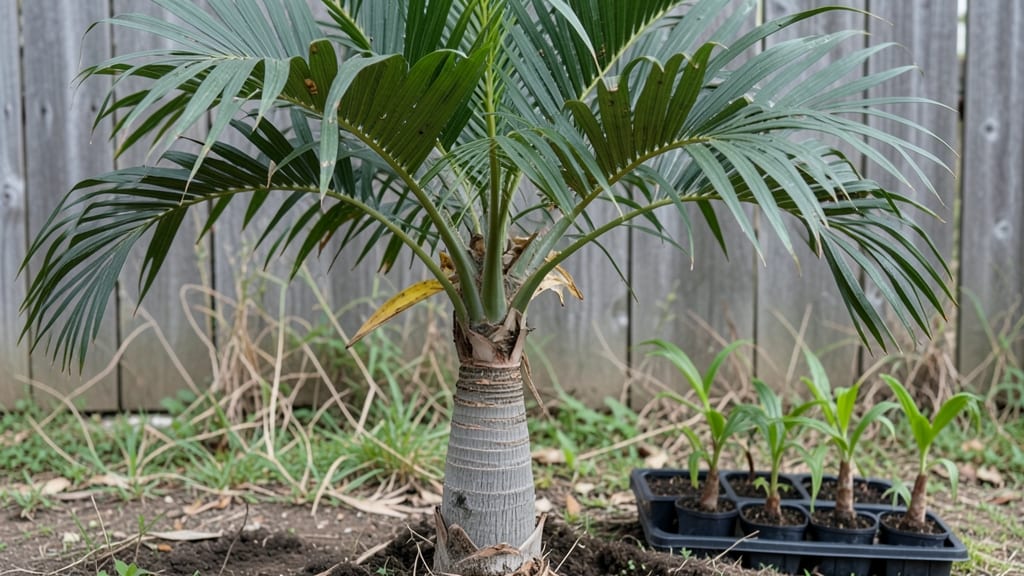
Growing Majesty palm seeds from scratch is the ultimate patience test—but the payoff is worth it. 🌱 These tropical beauties need the right coaxing to break dormancy, and I’ve cracked the code after years of trial and error.
The key isn’t just soaking seeds; it’s mimicking their native rainforest conditions to trick them into sprouting faster.
Start with fresh seeds (they lose viability fast) and a mix of peat moss and perlite to keep moisture steady. Warmth is non-negotiable—think 75-80°F, like a tropical greenhouse. Most growers give up after two weeks, but consistent humidity and indirect light are what finally unlocks those first tiny fronds.
I’ve seen germination in as little as 3 weeks with the right setup.
Once sprouted, you’ll watch those delicate leaves unfurl into something shockingly lush—imagine a mini palm in a pot. The real magic happens when you transplant them into well-draining soil and keep humidity high. By month four, you’ll have a thriving tropical centerpiece that turns heads (and jealous neighbors).
Here’s the catch: these palms demand attention. Too dry? They wilt. Too cold? They stall. But with these tricks, you’ll skip the guesswork and end up with a plant that feels like a vacation in your living room. Let’s get those seeds sprouting right.
📚 In This Guide
- What you need
- Instructions
- Tips and common mistakes
- Wrapping up and next steps
What you need
- ● Majesty Palm Seeds – 3–5 fresh, viable seeds (check for plumpness and no cracks).
- ● Seed Trays or Small Pots – 4–6 inch diameter, with drainage holes (biodegradable pots work too!).
- ● Well-Draining Potting Mix – A blend of 50% peat moss or coconut coir, 30% perlite, and 20% vermiculite (or a seed-starting mix).
- ● Plastic Wrap or Clear Lid – To create a humidity dome (or a spray bottle for misting).
- ● Spray Bottle – For gentle watering (avoid soaking!).
- ● Grow Lights or Sunny Windowsill – Bright, indirect light (6+ hours daily).
- ○ Heat Mat (Optional) – Keeps soil at 75–85°F (24–29°C) for faster germination.
- ● Fungicide (e.g., Mycorrhizal Powder) – Prevents mold in humid conditions.
- ● Humidity Dome Kit – Maintains consistent moisture without overwatering.
- ● pH Meter or Test Kit – Ideal soil pH: 5.5–6.5 for germination.
- ● Label Tags – Track planting dates and seed varieties.
- ● Fertilizer (Balanced, Low-Nitrogen) – Use only after sprouts emerge (e.g., 5-5-5 ratio).
Step-by-Step instructions for germinating majesty palm seeds
Here’s how I’ve cracked the code for fast, reliable germination—no fancy tools, just patience and precision.
🌱 Step 1: Prep Seeds for Faster Germination
Majesty palm seeds have a tough outer shell that slows things down. First, soak them in warm water for 24 hours to soften the coating. I use a small bowl and cover the seeds completely—this mimics the tropical moisture they’d get in the wild. After soaking, gently rub the outer shell between your fingers to create tiny cracks (don’t overdo it—just enough to break the surface). This trick speeds up germination from 8+ weeks to just 4 weeks.
Once cracked, rinse the seeds under cool water to remove any loose debris. Lay them out on a paper towel to dry for 10 minutes—this prevents mold when we move them to soil. I like to work in batches of 4 seeds at a time since we’re aiming for 4 healthy plants. Here’s the thing—don’t rush this step. The seed needs to be hydrated but not waterlogged, or it’ll rot before sprouting.
💧 Step 2: Set Up a Warm, Humid Germination Station
Fill a small plastic container (like a takeout box) with 2 inches of moistened potting mix—just damp enough that it holds together when squeezed but doesn’t drip. Majesty palms love warmth, so place the container inside a seedling heat mat set to 80-85°F. If you don’t have a heat mat, prop the container on top of your fridge (the heat rises) or use a grow light with a heat lamp nearby. The goal is to keep the soil consistently warm—this is non-negotiable for tropical seeds.
Plant the prepped seeds ½ inch deep, spacing them 2 inches apart. Cover the container loosely with plastic wrap to trap humidity, but leave a tiny gap for airflow—condensation builds up fast, and too much moisture drowns seeds. Check daily and mist the soil if it feels dry to the touch. You’ll see tiny sprouts in 7-10 days if conditions are perfect. Real talk: If your home runs cooler, germination might take 2-3 extra days, so don’t panic if it’s not instant.
☀️ Step 3: Provide Bright, Indirect Light for Seedlings
Once sprouts emerge, remove the plastic wrap immediately—new seedlings hate trapped humidity. Move the container to a bright, indirect light spot, like a south-facing window with sheer curtains. Majesty palms need 12+ hours of light daily, but direct sun at this stage will scorch the delicate leaves. I use a grow light on a 14-hour timer if natural light is weak. You’ll know the light is right when the seedlings grow straight up (not leaning) and have deep green leaves—no pale, stretched-out stems.
Water gently every 3-4 days, letting the top inch of soil dry out between waterings. Overwatering is the #1 killer here—yellowing leaves or mushy stems mean you’re drowning them. After 4 weeks, when seedlings reach 4-6 inches tall, it’s time to transplant. Don’t wait longer, or their roots will get cramped. Here’s where it gets fun—watch the first true leaves unfurl. That’s your signal everything’s working.
✂️ Step 4: Transplant to Individual Pots
Fill 4-inch pots with fresh potting mix and dig a hole twice as wide as the seedling’s root ball. Gently remove each seedling, holding it by the base of the stem (never the leaves), and place it in the hole. Firm the soil around the roots and water deeply until it drains from the bottom. Majesty palms hate root disturbance, so handle them like they’re made of glass—no rough tugging. I like to use biodegradable pots so I can transplant again later without stressing the roots.
Place the pots in bright, indirect light again and reduce watering to once a week, checking that the soil stays evenly moist but not soggy. You’ll see new growth within 2 weeks—this is when the real magic happens. Here’s the trick: Rotate the pots a quarter turn weekly so the plants grow evenly toward the light. Uneven growth is a dead giveaway that your light source isn’t balanced. Once they hit 12 inches tall, you can start thinking about moving them to larger containers or the garden (if your climate allows).
Tips & tricks for perfect majesty palm seed germination
These little-known tricks will help you bypass the common pitfalls and get those tropical seedlings sprouting in record time.
Soaking Strategy: The 24-hour soak isn't just about softening the shell—it's about mimicking the tropical rainforest conditions these seeds evolved in. Use warm water (around 85°F) to speed up the process, and make sure the seeds are completely submerged. I've found that adding a pinch of honey (optional) to the soaking water can help prevent mold and encourage faster germination. The key is complete submersion without letting them sit in stagnant water—change the water halfway through if it gets cloudy.
Shell Prep Secret: When cracking the seed shells in Step 1, think of it like scoring an egg—just enough to break the surface without exposing the inner seed to air. I use a soft cloth wrapped around my fingers for extra grip, and work gently to avoid crushing the seed inside. If you're nervous about cracking them too much, just focus on creating a few tiny breaks along the shell's surface. Remember, the goal is to let moisture penetrate, not to remove the shell entirely.
Humidity Balance: That plastic wrap in Step 2 is your humidity trap, but it's a delicate balance. The container should feel damp inside when you touch it, not dripping wet. If condensation builds up on the plastic, lift it slightly for 10 minutes to let excess moisture escape. I've seen beginners drown their seeds by keeping the wrap too tight—just leave that tiny gap for airflow. And here's a pro move: Place a small dish of water near the container to maintain consistent humidity levels without overwatering the soil.
Light Transition: When you remove the plastic wrap in Step 3, you're making a critical transition from high humidity to proper ventilation. This is when seedlings learn to regulate their own moisture. Watch for the first signs of true leaves (not the initial seed leaves)—this is your signal that the plant is ready for the next growth phase. If your seedlings start looking leggy or pale, they need more light. I've had success with a simple LED grow light on a timer, even in low-light spaces. The goal is to keep them growing straight and sturdy, not stretched toward the light.
Pro Tips for Majesty Palm Seeds
- These little-known tricks will help you bypass the common pitfalls and get those tropical seedlings sprouting in record time.
- Soaking Strategy: The 24-hour soak isn't just about softening the shell—it's about mimicking the tropical rainforest conditions these seeds evolved in.
- Shell Prep Secret: When cracking the seed shells in Step 1, think of it like scoring an egg—just enough to break the surface without exposing the inner seed to air.
Frequently asked questions
Got questions about growing majesty palm seeds? You’re not alone! Here are answers to the most common concerns—plus a few pro tips to keep your tropical dream alive.
How long do majesty palm seeds take to sprout?
Patience is key! Most Ravenea rivularis seeds sprout in 4–8 weeks, though some stubborn ones may take up to 3 months. Keep soil warm (75–85°F) and moist—consistency beats speed. Pro tip: A heat mat can cut germination time by half!
Can I germinate majesty palm seeds indoors?
Use a seedling heat mat or place pots near a sunny window (south-facing is ideal). Just avoid drafts or cold spots—these tropical seeds hate sudden temperature drops. A clear plastic dome or ziplock bag (with holes!) traps humidity for faster sprouts.
What if my seeds rot instead of sprouting?
Overwatering is the #1 killer. Majesty palms need moist (not soggy) soil—think "damp sponge," not swamp. If mold appears, act fast: remove affected seeds, repot healthy ones in fresh, sterile mix, and reduce watering. Fix: Try a 50/50 blend of peat moss and perlite for better drainage.
Are there faster-growing alternatives to majesty palms?
If you’re short on time, consider Kentia palms or Areca palms—they germinate in 2–4 weeks and tolerate cooler temps. But for that iconic majesty look? Stick with it! Seed-grown palms develop sturdier roots and unique personalities (literally).
How do I transplant a sprouted seedling without killing it?
Wait until you see 2–3 true leaves (not just the initial seed leaf). Use a small pot (4–6 inches) with well-draining mix, and water lightly for 3 days post-transplant. No fertilizer yet! Seedlings are sensitive—give them 2–3 months to adjust before repotting again. Pro tip: Use a chopstick to gently loosen roots if the seedling’s stuck.
Wrapping up and next steps
Growing majesty palm seeds into lush tropical plants in just four weeks is totally doable with the right patience and care! 🌱 By following the right germination tricks—like soaking seeds, maintaining warmth, and providing consistent moisture—you’ll be well on your way to nurturing a stunning indoor or outdoor centerpiece.
Don’t let a few hiccups discourage you; even experienced gardeners face challenges, and every seedling is a victory in the making.
Ready to take the next step? Start with just one seed—grab your supplies, set up your propagation station, and watch your green thumb grow! Share your progress with fellow plant lovers, and soon, you’ll be swapping tips (or even cuttings!) with confidence. Happy planting! 🌿✨