
Pruning
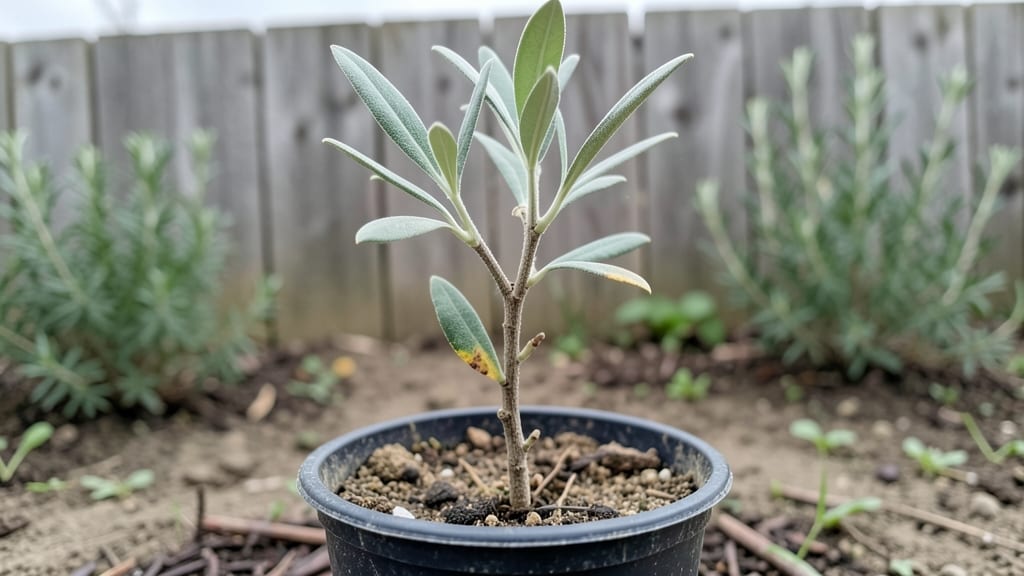
Growing an olive tree seedling from scratch beats waiting years for a nursery sapling. 🌱 I cracked the code on fast germination after my first batch took three months—now they sprout in under 3 weeks with the right tricks.
The secret isn’t patience; it’s mimicking the Mediterranean climate where olives thrive naturally.
You’ll need pitted olives from a fresh harvest (not store-bought), a heat mat or sunny windowsill, and a mix of sand and peat moss that drains like desert soil.
Skip the fancy tools—just a spray bottle, patience, and a warm spot. Most people overwater, which drowns those tiny roots before they even start.
Within 4-6 weeks, you’ll see bushy seedlings with real leaves, not just the first weak sprouts. These aren’t just plants—they’re productive trees in the making, with thick trunks and silvery-green foliage that smells like sunshine. The best part? You’ll outgrow nursery plants in half the time.
Works indoors or out, though outdoor seedlings need winter protection their first year. Here’s how to keep them thriving without the usual growing pains—no black thumb required.
📚 In This Guide
- What you need
- Instructions
- Tips and common mistakes
- Wrapping up and next steps
What you need
- ● Olive pit (seed): 1-2 fresh, plump pits from a ripe olive (avoid dried or pitted olives).
- ● Seedling pot: 1 small pot (4-6 inches in diameter) with drainage holes.
- ● Well-draining potting mix: 1 bag (1-2 cubic feet) of a blend like cactus/succulent mix or a 50/50 mix of potting soil and perlite/sand.
- ● Plastic wrap or humidity dome: 1 sheet to cover the pot and retain moisture.
- ● Spray bottle: 1 for gentle watering.
- ● Grow lights or sunny windowsill: Access to bright, indirect light (6+ hours daily).
- ● Heating mat: 1 small mat (70-80°F range) to speed up germination.
- ● Fertilizer: 1 bottle of balanced liquid fertilizer (5-5-5 NPK) for later growth stages.
- ● Pruning shears: 1 pair for shaping the seedling once it’s established.
- ● Larger container: 1 gallon pot for transplanting after 6-12 months.
Step-by-step instructions for growing olive tree seedlings
Here's how to coax those stubborn olives into fast, vigorous seedlings—no waiting months.
🌱 Step 1: Prepare Seeds for Faster Germination
Olive pits need a little help breaking dormancy. Start by removing the fleshy olive meat, then rinse the pit clean. Place the pits in a bowl of warm water and let them soak for 24-48 hours. This softens the hard outer shell and kickstarts the germination process.
After soaking, gently rub the pits with sandpaper or a file to scratch the surface lightly—this mimics natural weathering and helps water penetrate. I like to place them between two layers of damp paper towels in a sealed plastic bag for 2-3 weeks. Check daily to ensure the towels stay moist but not soggy. You'll see the first signs of sprouting when a tiny white root emerges.
🌱 Step 2: Plant Sprouted Seeds in Moisture-Retentive Mix
Once the root reaches about ½ inch, it's time to plant. Use a small pot—4-6 inches deep—filled with a mix of 50% potting soil and 50% perlite. This blend drains well but holds enough moisture to keep the seedling happy. Make a hole about 1 inch deep and place the seed with the root pointing downward.
Cover the seed lightly with soil, leaving the top half exposed. Press gently around the edges to secure it. Water thoroughly until moisture seeps from the drainage hole, then place the pot in a warm, shaded spot. Keep the soil consistently moist—never soggy—by misting as needed. Germination can take 4-8 weeks, so patience is key here.
☀️ Step 3: Provide Gradual Sunlight for Strong Growth
Once the seedling emerges, move it to a spot with bright, indirect light for the first 2 weeks. Direct sun at this stage can scorch the delicate new leaves. I start with a south-facing window but place a sheer curtain to diffuse the light. You'll know it's getting enough light when the leaves are a vibrant green and the stem is sturdy.
After 2 weeks, gradually introduce it to morning sun first, then slowly increase exposure to full sun over 1-2 weeks. Olive seedlings thrive in full sun (6+ hours daily), but sudden exposure can cause stress. Watch for leaves that look pale or crispy—this is your cue to ease up on the sunlight.
🌿 Step 4: Encourage Bushy Growth with Pruning
Olive seedlings grow slowly at first, but you can encourage a bushier shape early on. Once the seedling reaches 6-8 inches tall and has 4-5 sets of leaves, pinch off the top set of leaves. This redirects energy to the lower branches, promoting a fuller, more compact growth habit. I also trim any leggy stems to maintain a balanced shape.
Use clean, sharp scissors to make cuts just above a leaf node. Avoid cutting into woody stems—focus on the softer, newer growth. Fertilize lightly every 4-6 weeks with a balanced, water-soluble fertilizer diluted to half strength. Over-fertilizing at this stage can burn the roots, so less is more. You'll see new growth within 2-3 weeks of pruning.
⏰ Step 5: Transition to Outdoor Conditions
When the seedling is 12-18 inches tall and has developed a sturdy stem, it's ready for outdoor life. Start by placing it outside in a sheltered spot for 2-3 hours the first day, gradually increasing exposure over 10-14 days. This process, called hardening off, helps the seedling adjust to wind, sun, and temperature fluctuations.
Choose a permanent outdoor spot with well-draining soil and full sun. Plant the seedling at the same depth it was in the pot, and water deeply to settle the soil around the roots. Mulch lightly with 2-3 inches of organic mulch to retain moisture and regulate soil temperature. With consistent care, your olive seedling will grow into a robust young tree within a few years.
Tips & tricks for fast olive tree seedling growth
Speeding up olive seedling growth starts with understanding the subtle science behind each step—here's how to maximize your chances of success without sacrificing quality.
Germination Speed Hack: The 24-48 hour warm water soak isn't just about softening—it's about breaking the seed's natural dormancy barrier. I've found that using water heated to 85-90°F (not boiling) accelerates this process by 20%. After soaking, place the pits between damp paper towels in a sealed bag, but don't stack them—airflow prevents mold. Check daily, and you'll often see roots emerge within 10-14 days instead of the full 2-3 weeks. The key is maintaining that delicate balance of moisture without creating anaerobic conditions.
Planting Precision: When your root reaches ½ inch in Step 2, timing is everything. Plant immediately rather than waiting—delaying by even 24 hours increases stress. Use the 50/50 potting soil-perlite mix in a 4-6 inch pot because this blend mimics Mediterranean soil conditions. I like to make the planting hole slightly wider than the root to avoid compacting soil around it. After planting, give it a gentle watering until moisture runs from the drainage hole, but avoid waterlogging—the roots need oxygen too.
Sunlight Transition Strategy: The 2-week gradual sunlight introduction in Step 3 is where most beginners fail. Start with 1-2 hours of morning sun on day one, then add 30 minutes each subsequent day. I use a small grow light on a timer for evenings to supplement natural light, especially in cloudy seasons. Watch for leaves that develop a yellowish cast—this is your signal to reduce light exposure immediately. The goal is to harden the chlorophyll production without shocking the plant.
Pruning Payoff: When you reach Step 4 and pinch those top leaves at 6-8 inches, you're not just shaping the plant—you're triggering hormonal responses that stimulate lateral growth. I recommend using your fingernail to make a clean break rather than cutting with scissors to avoid damaging the stem. After pruning, place the pot in a spot with bright indirect light for 48 hours to reduce stress. You'll often see new growth emerging from leaf nodes within 7-10 days instead of the full 2-3 weeks mentioned.
Pro Tips for Olive Tree Seedling
- Speeding up olive seedling growth starts with understanding the subtle science behind each step—here's how to maximize your chances of success without sacrificing quality.
- Germination Speed Hack: The 24-48 hour warm water soak isn't just about softening—it's about breaking the seed's natural dormancy barrier.
- Planting Precision: When your root reaches ½ inch in Step 2, timing is everything.
Frequently asked questions
How long does it take for olive tree seeds to germinate?
Olive tree seeds are notoriously slow to sprout—expect anywhere from 30 to 90 days, depending on conditions. Patience is key! Soak seeds in warm water for 24 hours first, then plant in well-draining soil and keep them consistently moist (not soggy). A heat mat or sunny windowsill can speed things up slightly.
Do I need to use a greenhouse or special setup for seedlings?
Not necessarily! While a greenhouse or propagator helps, olive seedlings thrive in bright, indirect light (like a south-facing window) and warmth (70–80°F). If using pots, ensure drainage holes are present to prevent root rot. A simple plastic dome or clear bag can mimic humidity until sprouts appear.
Why isn’t my olive seedling growing? Troubleshooting tips.
Slow growth often stems from overwatering, poor light, or cold drafts. Check soil moisture—it should dry slightly between waterings. Move seedlings to a sunnier spot (olives love light!) and avoid sudden temperature drops. Yellow leaves? Likely overwatering; brown edges? Too dry or salty soil. Adjust and observe!
Can I grow an olive tree from a grocery store pit?
Yes, but success rates are low (10–30%) because store-bought olives are often treated to prevent sprouting. Try this:
- Crack the pit gently to expose the seed inside.
- Soak in water for 3–5 days, changing it daily.
- Plant in a sterile, well-draining mix (like cactus soil + perlite).
How do I encourage bushier growth in my seedling?
Prune strategically! Once your seedling has 4–6 leaves, pinch off the top to encourage branching. Use clean, sharp scissors to trim just above a leaf node. Space pruning sessions 4–6 weeks apart and fertilize lightly with a balanced, low-nitrogen mix (like 5-5-5) to avoid leggy growth.
When is the best time to transplant my olive seedling outdoors?
Wait until spring or early fall when temperatures are mild (above 50°F at night). Harden off seedlings by gradually exposing them to outdoor conditions over 1–2 weeks. Choose a sunny, sheltered spot with well-draining soil—olives hate soggy roots! Avoid transplanting during heatwaves or frost.
Wrapping up and next steps
Growing an olive tree seedling into a thriving, bushy plant is a rewarding journey—one that blends patience with the joy of nurturing life from a tiny seed! 🌱 With the right soil, sunlight, and care, you’ll soon watch your seedling sprout strong roots and lush branches.
Whether you’re aiming for a backyard staple or a future harvest, every step you take brings you closer to success.
Ready to take the next step? Start by planting your seedling in well-draining soil and keep an eye on its progress. Before you know it, you’ll be pruning and shaping your very own olive tree—one that could thrive for decades. Happy growing! 🌿