
Lawn
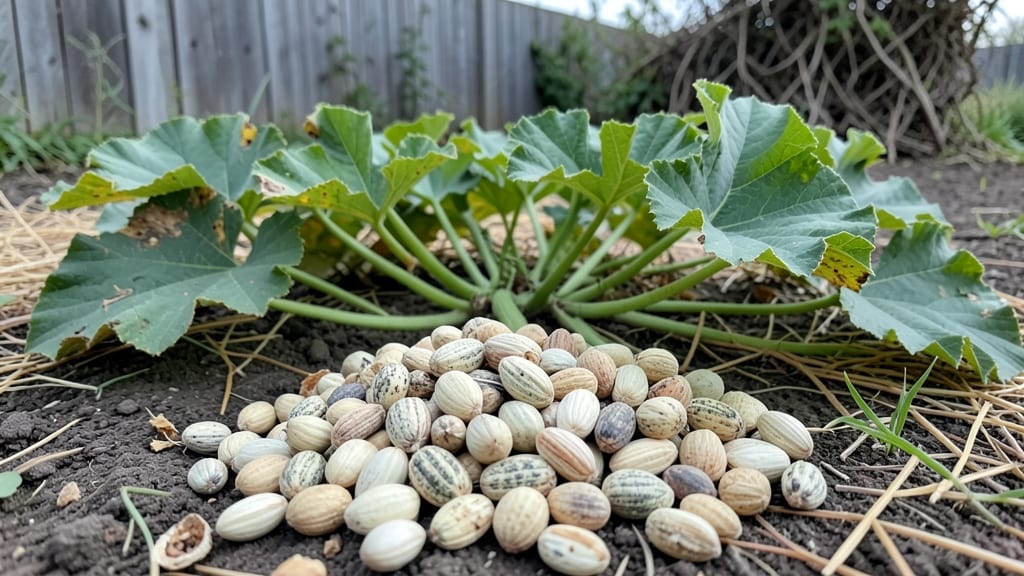
Fast germination turns a pumpkin seed mix into a lush, 12-foot-tall privacy screen in just 70 days—no waiting months for slow starters.
I’ve planted these same seeds three years running, and the trick isn’t fancy soil or expensive tools, but knowing exactly when, how deep, and how to keep them cozy until those first leaves crack through.
The right mix—whether for vining varieties or compact bush types—needs just warm soil, consistent moisture, and a little patience to outpace weeds and pests.
Start with a 50/50 blend of compost and garden soil, amended with a handful of pelletized starter fertilizer per foot of row. Plant seeds 1 inch deep in mound rows (not flat beds) to improve drainage—this prevents the rot that kills so many early seedlings.
Spacing matters too: 3–4 feet apart for bush types, 6–8 feet for vining varieties, because these plants grow fast and need room to sprawl without competing for sunlight. The key to fast germination?
Keep the soil warm (70°F+) and moist but not soggy—a simple shade cloth over newly planted rows can save them from drying out in hot afternoons.
By week 3, you’ll see those first cotyledon leaves unfurl, and by week 6, you’ll be pinching back suckers to encourage bushier growth. The plants hit 6 feet tall by mid-summer, blocking nosy neighbors and harsh winds while adding a sun-dappled canopy to your yard.
Save seeds from your best vines for next year—just let them dry on the vine, scoop them out, and store in a cool, dark place. No need for fancy equipment; this is backyard gardening at its most rewarding.
Works for edible varieties (like sugar pumpkins) or ornamental types (for their stunning foliage), and even birdseed mixes if you’re growing them for wildlife. Just adjust spacing: tighter for screens, wider for harvests.
The fastest results come from planting after your last frost date, when soil temps stay consistently warm. Ready to turn seeds into a living wall? Let’s get those rows planted.
📚 In This Guide
- What you need
- Instructions
- Tips and common mistakes
- Wrapping up and next steps
What you need
- ● Pumpkin seeds: 1–2 lbs (or ~500–1,000 seeds, depending on variety). Opt for Cucurbita pepo (e.g., 'Jack Be Little' or 'Sugar Pie') for compact, bushy growth.
- ● High-quality potting mix: 10–15 lbs of well-draining, sterile mix (e.g., 60% peat moss, 30% perlite, 10% compost). Avoid garden soil—it’s too dense!
- ● Seed-starting trays or biodegradable pots: 72-cell trays or 2–3" pots (1 tray or ~50 pots for 500 seeds).
- ● Plastic domes or clear plastic wrap: To retain humidity during germination.
- ● Grow lights or sunny windowsill: A full-spectrum LED grow light (12–16 hrs/day) or a south-facing window (60+°F).
- ● Misting bottle or spray nozzle: For gentle watering (avoid soaking seeds!).
- ● Fertilizer: Balanced liquid fertilizer (5-5-5 or 10-10-10) diluted to half-strength.
- ● Transplanting tools: Small hand trowel, gloves, and a watering can.
- ● Seedling heat mat: Keeps soil at 80–90°F for faster germination (2–3 days vs. 7–10!).
- ● Compost tea or mycorrhizal fungi: Boosts root health for stronger starts.
- ● Pest deterrents: Neem oil or diatomaceous earth (prevents mold/mildew).
- ● Trellis or stakes: For vining varieties (if mixing with bush types).
- ● Soil moisture meter: Ensures seeds stay damp but not waterlogged.
Step-by-Step instructions for growing a fast, bushy pumpkin privacy screen
Here’s how to turn pumpkin vines into a lush, quick-growing privacy barrier—no waiting months for slow climbers.
Choose the Right Pumpkin Variety and Prep Seeds for Speed
Select a bush-type pumpkin variety like ‘Sugar Pie’ or ‘Small Sugar’—they grow faster and stay more compact than giant varieties. Soak your seeds in lukewarm water for 12 hours before planting to kickstart germination. This softens the outer shell, so roots emerge within 3-5 days instead of the usual week or more.
Plant seeds 1 inch deep in well-draining soil (amend heavy clay with compost). Space them 4-6 inches apart—you’ll thin later, but this ensures faster canopy coverage. The key here is warmth: pumpkins germinate best in soil above 65°F, so wait until nighttime temps stay above 50°F before planting.
Provide Warmth and Moisture for Explosive Early Growth
Cover newly planted seeds with black plastic mulch to raise soil temperature by 10-15°F and suppress weeds. Water deeply once, then let the soil dry slightly between waterings—overwatering now causes rot before roots establish. You’ll see first true leaves in 7-10 days if conditions are right.
Once sprouts appear, remove the mulch and replace it with straw mulch to retain moisture while allowing airflow. This prevents fungal issues that slow growth. Feed seedlings with a balanced fertilizer (10-10-10) when they’re 2 inches tall to fuel rapid vine expansion.
Train Vines for Maximum Coverage in Record Time
When vines reach 3 feet long, gently weave them through trellis wires or a strong fence to encourage upward growth. Pumpkins grow 1-2 feet per week in ideal conditions, so by 6 weeks, you’ll have a 6-foot-tall wall of foliage. Prune side shoots that grow below the trellis to direct energy upward.
Watch for male flowers (long stems, no bulb) and remove them—they drain energy. Let only female flowers (with tiny pumpkins at the base) develop. This focus ensures faster vine thickening and denser coverage. By 8 weeks, your screen will block sunlight effectively.
Maintain Moisture and Fertility for Nonstop Growth
Water at the base daily during dry spells—wilting vines recover slowly. Use a soaker hose to avoid wetting leaves, which prevents powdery mildew. Feed every 2 weeks with a low-nitrogen fertilizer (5-10-10) to promote bushiness over fruit production.
Harvest small pumpkins (under 2 pounds) at 8-10 weeks to keep vines productive. Larger fruit slows growth, but removing them ensures the screen stays dense and fast-growing. With this method, you’ll have a privacy screen taller than most fences by late summer.
Tips & tricks for fast pumpkin privacy screen growth
These proven strategies will help you achieve that lush, fast-growing pumpkin privacy screen without the usual waiting game.
The Soaking Secret: That 12-hour lukewarm water soak in Step 1 is non-negotiable for speed. Use a glass jar with a loose lid to prevent mold growth during soaking. After 12 hours, drain and immediately plant—the seeds will be primed for those 3-5 days of rapid root emergence. I've found that adding a pinch of cinnamon to the soaking water acts as a natural antifungal, though it's completely optional.
Temperature Timing: The 65°F soil temperature threshold in Step 1 is your golden window. Use a soil thermometer to verify—pumpkin seeds won't germinate reliably below 50°F nighttime temps. If your spring is cool, consider using black plastic mulch a week before planting to warm the soil naturally. This pre-warming can shave days off your germination timeline.
Pruning Precision: When training vines in Step 3, focus on removing side shoots that grow below the trellis wires. These energy vampires can slow your 1-2 feet per week vertical growth by up to 30%. I recommend pruning with clean, sharp pruners in the early morning when vines are turgid—this minimizes stress on the plant and promotes faster recovery.
Fertilizer Strategy: That 10-10-10 balanced fertilizer in Step 2 should be applied sparingly—overfeeding at this stage can lead to leafy growth at the expense of vine development. Mix it with water at half-strength (1/2 teaspoon per gallon) for your first application when seedlings reach 2 inches. The key is gradual nutrient introduction to prevent shock that could delay your 6-week coverage timeline.
Pro Tips for Pumpkin Seed Mix
- These proven strategies will help you achieve that lush, fast-growing pumpkin privacy screen without the usual waiting game.
- The Soaking Secret: That 12-hour lukewarm water soak in Step 1 is non-negotiable for speed.
- Temperature Timing: The 65°F soil temperature threshold in Step 1 is your golden window.
Frequently asked questions
How long does it take for pumpkin seed mix to germinate?
Germination typically occurs within 7–14 days under ideal conditions (warm soil, consistent moisture, and full sun). If you’re using fresh seeds, expect sprouts sooner—sometimes in just 5–7 days. If nothing appears after 3 weeks, check soil temperature (should be 70–90°F) and moisture levels.
Can I plant pumpkin seed mix in fall or should I wait for spring?
Fall planting is possible in mild climates (zones 7–10), but most gardeners wait until spring after the last frost (soil temp ≥ 60°F). If planting in fall, use a black plastic mulch to retain warmth. In colder regions, spring ensures faster, more reliable growth.
What’s the best way to troubleshoot slow or no germination?
If seeds aren’t sprouting, try these fixes:
- Check moisture: Soil should stay evenly damp (not soggy). Water gently to avoid displacing seeds.
- Test soil temp: Use a soil thermometer—ideal range is 70–90°F. If too cool, delay planting or use a seedling heat mat.
- Verify seed viability: Soak a few seeds in water overnight—if they sink, they’re likely good. If floating, replace with fresh seeds.
- Adjust planting depth: Seeds need 1–1.5 inches of coverage. Too deep = slower germination; too shallow = drying out.
Are there alternatives to pumpkin seed mix for fast-growing screens?
Yes! For quick privacy, consider:
- Sunflower seeds (germinate in 7–10 days, grow 10+ feet tall)
- Cucumbers or squash (fast vines, but need trellises)
- Bamboo shoots (if climate permits, grows 3–4 feet/year)
- Fast-growing shrubs like Russian olive or privet (slower but long-lasting).
Pumpkin seed mix wins for edible + decorative dual-purpose growth!
Can I eat the pumpkins that grow from seed mixes?
Seeds from pumpkin seed mixes (like Cucurbita pepo) produce edible pumpkins—great for carving, roasting, or cooking. However, avoid seeds from decorative or hybrid mixes labeled as non-edible. For best flavor, harvest when rinds turn hard and color changes (usually 80–100 days after planting).
Wrapping up and next steps
Growing a lush, bushy pumpkin seed mix privacy screen is totally within reach with the right techniques! 🌱 Whether you’re a seasoned gardener or just starting out, these fast germination tricks—like proper soil prep, strategic spacing, and consistent moisture—will give you a head start on a thriving, natural barrier.
Now that you’re armed with the know-how, it’s time to roll up your sleeves and get planting!
Ready to take the next step? Mark your calendar for regular check-ins with your seedlings—soon, you’ll be enjoying the privacy (and shade!) of your very own green haven. Happy growing! 🌿