Trees
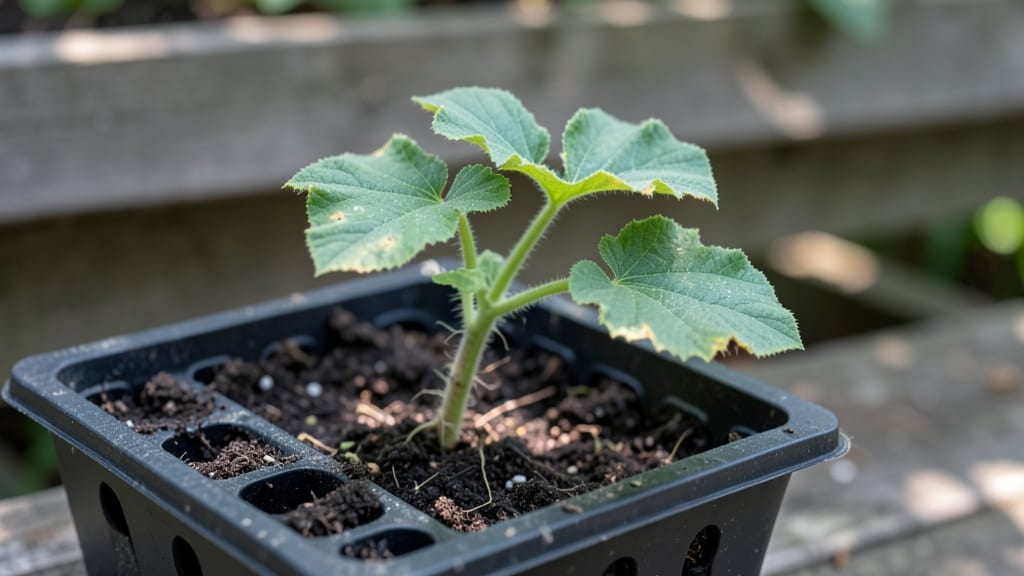
Melon seedling identification starts with those tiny cotyledons—followed by the true leaves with jagged edges that reveal exactly which melon you’re growing, saving you from wasted effort on weak or diseased plants. ✨ variety you’re growing.
Watermelon seedlings develop broad, slightly lobed leaves, while cantaloupes show serrated edges and a slightly hairy stem. Honeydew seedlings tend to be smoother with a softer green hue. Healthy sprouts stand upright with vibrant color, while weak or yellowing leaves signal overwatering or disease.
Once you spot the true leaves, you’ll know it’s time to thin seedlings to 12 inches apart. Strong stems and glossy foliage mean they’re ready for transplanting into warmer soil—just wait until nighttime temps stay above 55°F for best results.
This skill keeps your melon patch productive and pest-free from day one. Confidently distinguish healthy starts from troubled ones, and you’ll harvest sweeter, more abundant fruit all season long.
Root Causes of Misidentification
Understanding why melon seedlings can be tricky to identify starts with recognizing the biological and environmental factors that create confusion. Whether you're a seasoned gardener or a curious beginner, these common pitfalls can lead to mistakes—even with seemingly straightforward plants. Let’s break down the science behind the struggle.
Melons belong to the Cucurbitaceae family, which includes cucumbers, squash, pumpkins, and gourds.
This family shares striking physical traits in their early stages, making identification challenging: - Cotyledons (seed leaves): Many cucurbits have rounded, lobed, or heart-shaped first leaves, which can look nearly identical across species. - True leaves: Early melon seedlings may resemble those of cucumbers or zucchini, especially if the leaves are deeply lobed or jagged. - Vine habits: Young vines of melons, cucumbers, and squash often climb or sprawl in similar ways, lacking the distinct mature traits (like melon fruit shape) needed for clear ID.
Actionable tip: 🔍 Examine the vein pattern—melon seedlings often have palmately veined leaves (veins radiating from a central point), while cucumbers may have more parallel or net-like veins.
Stress from temperature fluctuations, poor soil, or pests can distort a seedling’s natural appearance, making it harder to recognize:
- Cold or heat shock: Seedlings grown in unpredictable temperatures (below 50°F or above 90°F) may develop yellowing, curled, or misshapen leaves, mimicking disease or nutrient deficiencies.
- Overcrowding: If seedlings are planted too close together, they’ll compete for light and nutrients, leading to stunted growth and small, underdeveloped leaves that don’t resemble mature traits.
- Nutrient imbalances: A lack of nitrogen, phosphorus, or magnesium can cause chlorosis (yellowing) or purpling of stems, masking the plant’s true identity.
Science deep dive: 📊 Melons are C3 plants, meaning they rely on stable temperatures for photosynthesis. Stress disrupts this process, leading to abnormal leaf morphology—a key reason why young plants may not "look right."
Early exposure to pests (like aphids, spider mites, or cutworms) or fungal/bacterial infections can alter a seedling’s appearance:
- Aphids or mites: These sap-suckers cause stunted growth, curled leaves, or sticky residue (honeydew), making seedlings look weak or deformed.
- Powdery mildew: A white, powdery coating on leaves can obscure natural traits, especially in humid conditions.
- Damping-off (fungal rot): This soil-borne disease causes seedlings to wilt, collapse, or develop dark lesions at the stem base, often before you can identify the plant at all.
Pro tip: ✨ Isolate new seedlings for 7–10 days to monitor for pests. Use neem oil or insecticidal soap preemptively to prevent damage.
Even the best-intentioned gardener can contribute to misidentification through:
- Mixing seeds: Accidentally planting melon seeds too close to cucumber or squash seeds (common in bulk seed bags) leads to a confusing mix of sprouts.
- Incorrect depth planting: Burying seeds too deep (below 1 inch) can cause slow, abnormal growth, delaying the emergence of identifiable traits.
- Lack of labeling: Without tags or journals, it’s easy to forget which seed packet was which—especially if multiple varieties were planted.
Quick fix: 📝 Label seedlings with toothpicks and markers immediately after germination. Include the variety name and date for clarity.
Not all melons look alike—even as seedlings!
Factors like: - Heirloom vs. hybrid seeds: Some hybrid melons (bred for disease resistance) may have darker green or more waxy leaves early on, differing from traditional varieties. - Miniature vs. standard types: Mini melons (like honeydew or galia) may have smaller, rounder cotyledons compared to large-fruited varieties (like cantaloupe). - Color mutations: Some seedlings may exhibit variegation (striped or splotchy leaves) due to genetic quirks, making them stand out—or blend in—unexpectedly.
Fun fact: 🌟 The ‘Casaba’ melon often has broad, almost squash-like leaves as a seedling, while ‘Crenshaw’ melons may start with narrower, more delicate foliage.
Quick fixes for weak seedlings
Got seedlings that aren’t thriving? Don’t panic—most issues have simple, actionable solutions. Below, we’ve mapped common problems to practical fixes, plus prevention tips to keep your melon seedlings strong from the start. Think of this as your troubleshooting cheat sheet!
Cause: Too many seedlings competing for nutrients, light, and space. Fix:
- 🔪 Snip or Gently Pull: Use clean scissors or tweezers to remove weaker seedlings at soil level. Leave the healthiest 1–2 per pot (or 6–12 inches apart in the ground).
- 🌿 Repurpose Weaklings: Transplant thinned seedlings to a separate container or share with fellow gardeners—they’ll still grow!
Prevention:
- 💡 Start sparse: Sow seeds 1 inch apart in trays, then thin early. Overcrowding stresses roots before they even stretch!
- ⏰ Timing matters: Thin seedlings once they have 2–3 true leaves (not just cotyledons—the first "seed leaves").
Cause: Stretching toward light (etiolation) or weak stems from poor support. Fix:
- ☀️ Move to brighter light: Place seedlings within 6–12 inches of a grow light (12–16 hours/day) or a south-facing window. Rotate pots daily for even growth.
- 🪑 Add stakes or cages: Insert toothpicks or bamboo stakes near seedlings to prevent toppling. Tie gently with soft twine as they grow.
Prevention:
- 🌡️ Temperature control: Keep seedlings in 65–75°F (18–24°C)—cool nights cause stretching.
- 🎯 Seed depth check: Plant seeds ½ inch deep max—deeper sowing can lead to weak stems.
Cause: Fungal infection from overwatering, poor drainage, or contaminated soil. Fix:
- 💦 Adjust watering: Water only when the top inch of soil is dry. Use a spray bottle for seedlings (avoid overhead watering).
- 🧼 Fungicide spray: Mix 1 tsp hydrogen peroxide + 1 cup water and lightly spray seedlings (avoid leaves). Repeat every 3–4 days.
- 🔄 Refresh soil: If damping off spreads, repot affected seedlings into sterile potting mix (add perlite for drainage).
Prevention:
- ✨ Sterilize tools: Wash pots, scissors, and trays with 10% bleach solution (1 part bleach to 9 parts water) before reuse.
- 🌿 Use fresh mix: Avoid reused soil—opt for seed-starting mix (light and sterile).
Cause: Lack of nitrogen, magnesium, or iron (common in young seedlings). Fix:
- 💪 Fertilize lightly: Use a balanced liquid fertilizer (5-5-5 or 10-10-10) diluted to ¼ strength. Wait until seedlings have 2 true leaves.
- 🥗 Soil boost: Mix in ½ tsp Epsom salt per gallon of water (for magnesium) or chelated iron if leaves are pale yellow with green veins.
Prevention:
- 📊 Test soil: Use a DIY soil test kit before planting—ameliorate deficiencies early.
- 🍎 Compost tea: Brew a weak compost tea (1:10 ratio) to feed seedlings naturally.
Cause: Aphids, spider mites, or cutworms munching on tender leaves. Fix:
- 🚿 Rinse off pests: Spray seedlings with soapy water (1 tsp mild dish soap + 1 quart water). Repeat every 2–3 days.
- 🌿 Neem oil spray: Mix 1 tsp neem oil + 1 tsp soap + 1 quart water. Spray early morning or evening (avoids harming bees).
- 🌙 Barrier trick: Wrap pots with cardboard collars to block cutworms at night.
Prevention:
- 🔍 Inspect plants: Check undersides of leaves daily for eggs or webs.
- 🌿 Companion planting: Grow marigolds or basil nearby—they repel pests naturally!
Pro Tip: 💡 Hardening off is key! Before transplanting, acclimate seedlings to outdoor conditions over 7–10 days—start with 1 hour of sunlight/day, then gradually increase. This prevents shock and boosts survival rates!
Frequently asked questions about melon seedling identification
How do I tell the difference between watermelon and cantaloupe seedlings?
Watermelon seedlings have broader, slightly lobed leaves with a darker green hue, while cantaloupe seedlings show serrated edges and a hairy stem. Look for the vein pattern—watermelon leaves often have more prominent veins radiating from the center.
What do healthy melon seedlings look like at the cotyledon stage?
Healthy cotyledons are rounded, plump, and vibrant green with no yellowing or browning. They should stand upright with firm stems. If they appear wilted, curled, or mushy, it may signal overwatering or disease.
Can I identify melon seedlings before true leaves appear?
No, you’ll need to wait for the first true leaves (not the cotyledons) to confidently identify the melon type. These true leaves appear 1–2 weeks after germination and have jagged or serrated edges, unlike the smooth cotyledons.
Why do my melon seedlings look like cucumber seedlings?
Many Cucurbitaceae family plants (melons, cucumbers, squash) share similar early traits, especially in cotyledon stages. Check the leaf veins—melons often have palmately veined leaves, while cucumbers may have more parallel veins.
What should I do if my melon seedlings are yellowing?
Yellowing leaves often indicate overwatering, nutrient deficiency, or disease. Reduce watering, ensure good drainage, and check for pests. If the yellowing is between veins, it may be iron deficiency—try adding chelated iron or Epsom salt.