
Trees
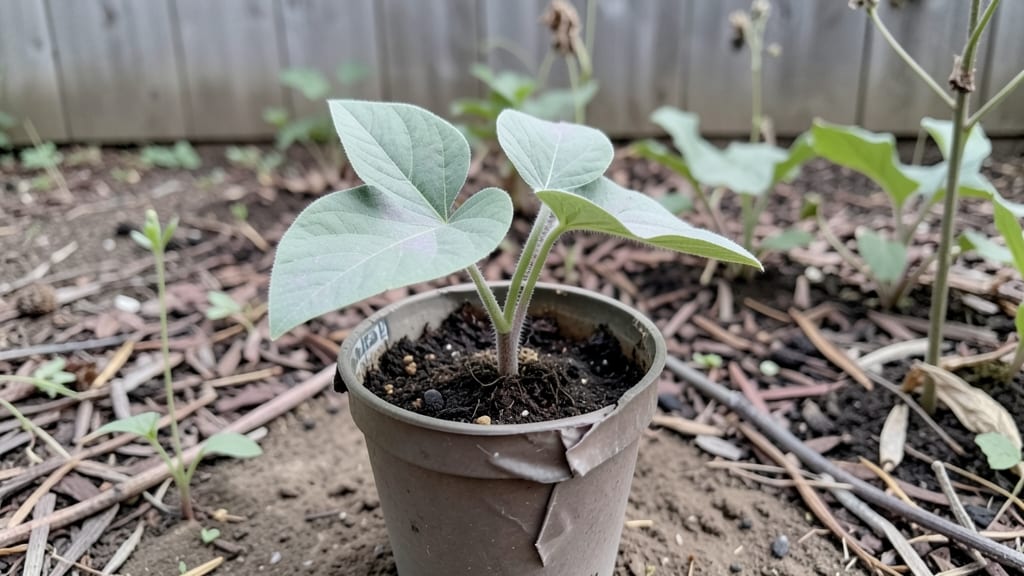
Mastering moonflower seedling identification early saves you from heartbreak later—those delicate vines grow fast, and missing the window means waiting another year for stunning nocturnal blooms. 🌙 The key is watching for heart-shaped leaves with pointed tips, slightly fuzzy on the underside, and a vine that climbs like a lazy cat stretching in the sun.
I learned this the hard way when I mistook my seedlings for morning glories and nearly pulled them out by accident.
Moonflower leaves start small—about 2 inches long—with smooth edges and a pale green hue that deepens as they mature. The real giveaway? Those tiny, almost hair-like tendrils along the stem that help them latch onto trellises or nearby plants.
Compare them to morning glory seedlings, which have more rounded leaves and fewer tendrils, or cucumber vines, which grow thicker and faster. A magnifying glass helps spot the fuzzy texture that’s unique to moonflowers.
Once you spot those first true leaves, your seedlings will grow into vigorous climbers with a woody stem by midsummer. The blooms—those giant, moon-like white flowers—won’t appear until late summer, but the leaves and growth pattern tell the story long before.
Proper identification means you’ll give them the right support (a sturdy trellis) and avoid overwatering, which can rot those tender young stems.
This method works whether you’re growing from seed in your backyard or a container on your patio. The earlier you recognize them, the sooner you’ll be enjoying those magical nighttime displays. Here’s how to keep them thriving once you’ve got them identified!
📚 In This Guide
- What you need
- Instructions
- Tips and common mistakes
- Wrapping up and next steps
What you need
- ○ Moonflower seeds (or seedlings): Ensure they’re fresh (preferably Ipomoea alba or Ipomoea muricata for true moonflowers). Optional: Start with 3–5 seeds for practice.
- ● Growing container: A small pot (4–6 inches wide) with drainage holes, or a seed tray if propagating multiple seedlings.
- ● Well-draining potting mix: A blend of 50% peat moss, 30% perlite, and 20% compost works best. Pro tip: Avoid heavy clay soil—moonflowers hate soggy roots! 🌡️
- ● Spray bottle: For gentle watering (avoid over-saturating seeds).
- ● Magnifying glass or loupe: Helps examine delicate leaf structures and vine hairs up close.
- ● Grow lights or sunny windowsill: Moonflowers need 6–8 hours of indirect light daily. A full-spectrum LED grow light (12–15W) is ideal if natural light is limited.
- ● Notebook & pen: To log observations like leaf shape, vine texture, and growth rate.
- ● Pruning shears (small, sharp): For trimming vines if they outgrow their space.
- ● Humidity dome or plastic wrap: Creates a mini greenhouse to retain moisture while seedlings sprout.
- ● pH test kit: Moonflowers prefer slightly acidic soil (pH 6.0–6.8). Adjust with lime or sulfur if needed.
- ● Reference guide or app: Like iNaturalist or a field guide to cross-check leaf/vine markers.
- ● Support trellis (3–4 feet tall): Moonflowers are vining plants—provide a structure early to encourage climbing.
How to identify moonflower seedlings before they bloom
Here's how I spot moonflower seedlings early—before they climb or flower—so I can give them the best start.
🌱 Step 1: Look for Heart-Shaped Cotyledons
Moonflower seedlings begin with two large, heart-shaped cotyledons that are slightly fuzzy on the underside. These first leaves are thick and leathery, unlike the delicate true leaves that come later. I always check the underside for that subtle fuzz—it's a dead giveaway.
These cotyledons are the plant's first meal, storing energy until true leaves appear. If you see them, you're looking at a moonflower. They'll stay attached for about 2-3 weeks before falling off as the plant grows.
🌿 Step 2: Spot the Distinctive True Leaves
Once the first true leaves appear, they're deep green, broad, and slightly lobed—almost like a maple leaf but smoother. The edges are slightly wavy, not jagged, and the veins run parallel from the stem. I compare them to basil leaves, but moonflower leaves are thicker and more robust.
These leaves grow in pairs along the stem, and the spacing between them is 2-3 inches apart. If you see this pattern, you're dealing with a moonflower seedling. The leaves also have a slight sheen when healthy, which helps distinguish them from other vines.
🪴 Step 3: Check the Vine Structure Early
Even before the vines get long, moonflower seedlings develop a thick, hairy stem that feels slightly rough to the touch. The hairs are fine but noticeable if you run your finger along the stem. This trait helps differentiate them from morning glories, which have smoother stems.
The stem grows in a zigzag pattern from the very beginning, though it's subtle at first. Look closely at the angle where the leaves attach—they don't grow straight up like beans or peas but at a slight diagonal. This is a key identifier.
⏰ Step 4: Time the Growth Spurt
Moonflower seedlings grow surprisingly fast once they establish their true leaves. Within 3-4 weeks of sprouting, you'll see the vines begin to climb aggressively. This happens earlier than many gardeners expect, so don't wait too long to provide support like a trellis or fence.
Watch for the first tendrils—thin, curly growths that wrap around anything they touch. These appear 2-3 weeks after true leaves form. If you see these tendrils, you've confirmed it's a moonflower. They're the plant's way of anchoring itself as it grows taller.
☀️ Step 5: Confirm with Light and Soil Response
Moonflowers thrive in full sun to partial shade, and you'll see this preference early. Seedlings grown in too much shade develop long, leggy stems with pale leaves, while those in bright light stay compact and dark green. This reaction helps confirm their identity.
They also respond well to rich, well-draining soil. If your seedlings are growing quickly with deep green leaves and no signs of stress, like yellowing or wilting, it's another clue you're dealing with moonflowers. Their resilience in different soil conditions is one of their standout traits.
Tips & tricks for perfect moonflower seedling identification
Spotting moonflower seedlings early can feel like finding a needle in a haystack—but these key details will help you nail it every time.
Cotyledon Clues: The fuzzy underside of those heart-shaped cotyledons is your first confirmation. I always flip them over to check—this subtle fuzz disappears as true leaves develop. Remember, these first leaves stay attached for 2-3 weeks before falling off, so don't rush the identification process.
Leaf Comparison: When those first true leaves appear, compare them to basil leaves—moonflower leaves are thicker and more robust, with slightly wavy edges that aren't jagged. The 2-3 inch spacing between leaf pairs is another dead giveaway. I keep a reference photo of both side by side when I'm unsure.
Stem Texture Test: Run your finger along the stem—moonflower seedlings develop that signature rough, hairy texture early. This is how I differentiate them from morning glories, which have smooth stems. The zigzag growth pattern becomes more obvious as they mature, but even tiny seedlings show this subtle diagonal attachment.
Growth Timeline: Remember those 3-4 weeks from sprouting to climbing? That's why I check seedlings weekly after the true leaves appear. The first tendrils show up 2-3 weeks after those true leaves form, so if you see those curly growths, you've confirmed it's a moonflower. These tendrils are the plant's way of anchoring itself as it grows taller.
Pro Tips for Moonflower Seedling Identification
- Spotting moonflower seedlings early can feel like finding a needle in a haystack—but these key details will help you nail it every time.
- Cotyledon Clues: The fuzzy underside of those heart-shaped cotyledons is your first confirmation.
- Leaf Comparison: When those first true leaves appear, compare them to basil leaves—moonflower leaves are thicker and more robust, with slightly wavy edges that aren't jagged.
Frequently asked questions
Got questions about spotting and growing moonflower seedlings? You’re not alone! Here are some of the most common queries—and their answers—to help you navigate this delicate stage with confidence.
How do I tell a moonflower seedling apart from other vines or weeds?
Moonflower seedlings (Ipomoea alba) start with heart-shaped leaves (like other morning glories) but grow faster and develop silvery-white undersides on mature leaves. Weeds like bindweed have lobed leaves or hairy stems. Check for twining growth—moonflowers climb aggressively early on!
When is the best time to transplant moonflower seedlings?
Wait until after the last frost (when soil is at least 60°F) and seedlings have 2–3 true leaves. Transplant in the late afternoon to reduce shock. Harden them off for 3–5 days first by placing them outside for a few hours daily. Avoid transplanting in direct sun—they’re sensitive!
What if my moonflower seedlings look leggy or weak?
Leggy seedlings mean they’re stretched for light. Move them to a sunnier spot (6+ hours of sunlight) or use a grow light 12–14 hours/day. If stems are thin and floppy, fertilize lightly with a balanced 10-10-10 mix. Overcrowding? Thin seedlings to 12 inches apart to prevent competition.
Can I grow moonflowers from cuttings instead of seeds?
Yes! Take 4–6 inch cuttings from healthy vines in spring or early summer, using the top third of a non-flowering stem. Dip in rooting hormone, plant in moist perlite/sand, and cover with a plastic bag to retain humidity. Roots form in 2–3 weeks—transplant once established!
What pests or diseases should I watch for in young moonflower seedlings?
Keep an eye out for aphids (tiny green/black bugs) and spider mites (webbing on leaves). Treat with neem oil or insecticidal soap. Powdery mildew (white dust) thrives in humidity—improve airflow and avoid overhead watering. Root rot? Ensure pots have drainage holes and soil stays evenly moist, not soggy.
Wrapping up and next steps
Identifying moonflower seedlings early can make all the difference in nurturing a thriving vine! By focusing on their heart-shaped leaves, velvety texture, and rapid growth pattern, you’ll spot them with confidence—even before the iconic moon-shaped blooms appear. 🌙✨
Now that you’re equipped with these key markers, why not take action? Start by checking your garden or pots for these telltale signs, and give your moonflower seedlings the care they deserve. Happy growing!