Propagation
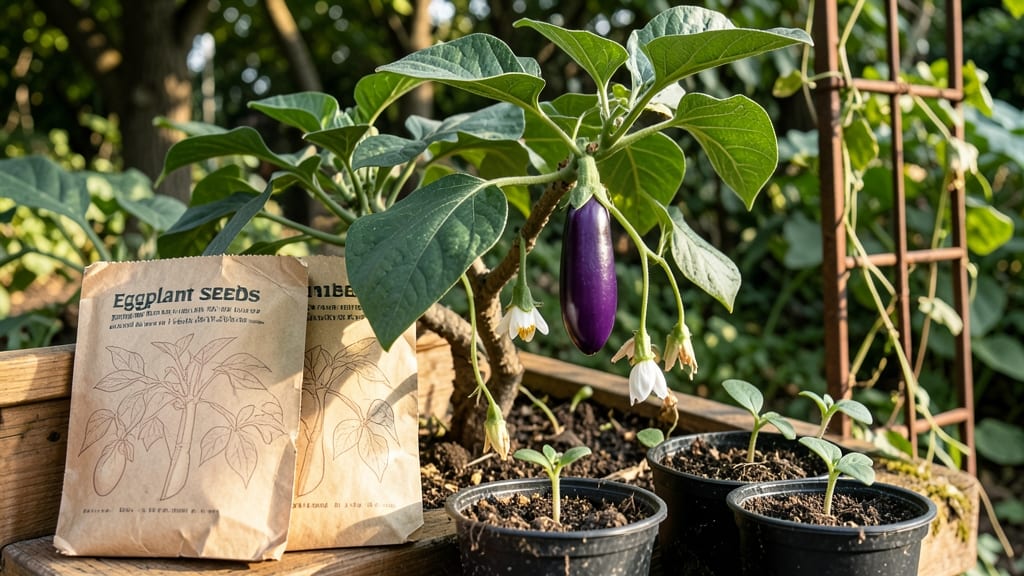
Night shade seeds—from plants like tomatoes, peppers, and eggplants—require careful handling to propagate correctly, starting with fresh, viable seeds and proper germination conditions like warmth and moisture. Avoid collecting seeds from hybrid varieties unless labeled heirloom or open-pollinated.
Night shade seeds—those from tomatoes, peppers, and eggplants—need specific conditions to thrive. 🌱 The key is starting with fresh, viable seeds that haven’t dried out, as old seeds often fail to germinate.
Warmth (around 70-85°F) and consistent moisture are critical, but timing matters too—planting too early can lead to weak seedlings. Many gardeners swear by pre-soaking seeds in warm water for 12-24 hours to kickstart germination, especially for slower starters like eggplants. The real game-changer?
Using heirloom or open-pollinated varieties, which guarantee true-to-type plants year after year, unlike unpredictable hybrids.
Why does this matter? Hybrid seeds (like those from grocery-store tomatoes) often produce inconsistent offspring, forcing you to buy new seeds annually. Meanwhile, heirloom seeds let you save and replant, creating a sustainable cycle.
For best results, I recommend testing a few seeds in small pots before committing to a full garden bed—this way, you can adjust conditions based on what works for your climate. Patience is key, as some night shade seeds take 10-20 days to sprout, but the payoff is worth it.
💡 In This Article
- Identifying Night Shade Seed Varieties and Their Traits
- Step-by-Step Night Shade Seed Germination and Planting Guide
Identifying night shade seed varieties and their traits
Night shade seeds come in distinct shapes, sizes, and colors depending on the plant family. Tomato seeds, for example, are tiny, flat, and pale yellow when fresh, measuring about 0.1 inches (2.5mm) long. They're encased in a gelatinous pulp that hardens as it dries, creating a protective coating.
Pepper seeds, on the other hand, are slightly larger (0.15 inches or 4mm) and more oval-shaped, often with a faint reddish-brown hue when mature. Eggplant seeds are the largest among these, reaching 0.2 inches (5mm), with a dark brown or black color and a more elongated shape.
The key to identifying heirloom seeds lies in their uniformity and labeling. Heirloom varieties produce seeds that grow into plants identical to their parents, while hybrids often yield unpredictable results. Look for seed packets labeled "heirloom," "open-pollinated," or "non-GMO"—these guarantee consistent traits.
For example, a Brandywine tomato seed will reliably produce large, pink heirloom tomatoes, whereas a hybrid like 'Better Boy' may produce inconsistent offspring. Seed morphology also helps: heirloom tomato seeds often retain their pale yellow color longer during storage, while hybrid seeds may darken prematurely.
Germination rates vary significantly by species. Tomato seeds typically sprout in 7-14 days at 75-80°F, while peppers take 10-20 days due to their thicker seed coats. Eggplants are the slowest, often requiring 15-30 days to germinate, especially in cooler conditions.
Potato seeds (true potato seeds, not tubers) germinate faster (7-10 days) but produce plants that take longer to mature. The science behind this involves seed coat permeability—thicker coats (like in peppers) need more time to absorb moisture and trigger germination.
Visual traits extend beyond seeds to the plants themselves. Heirloom tomato plants often have more pronounced leaf serrations and larger flowers, while hybrids may exhibit uniform, smooth leaves. Pepper plants from heirloom seeds tend to produce fruit that ripens more uniformly in color and shape.
For instance, a Jalapeño heirloom seed will grow into plants with consistent heat levels and fruit shape, whereas hybrid seeds might produce plants with varying heat or size. This consistency is why seed savers prioritize heirloom varieties—they preserve genetic integrity across generations.
Here's a quick reference for seed traits:
- Tomato seeds: Tiny (0.1 inches), flat, pale yellow; gelatinous when fresh
- Pepper seeds: Slightly larger (0.15 inches), oval, reddish-brown; slower to germinate
- Eggplant seeds: Largest (0.2 inches), dark brown/black; longest germination time
- Potato seeds: Small (0.1 inches), reddish-brown; fastest germination but slowest to mature
What most gardeners don't realize is that seed color can indicate age. Fresh tomato seeds are bright yellow, but as they dry, they fade to white or gray—a sign they're losing viability. Store seeds in airtight containers with a desiccant packet to maintain freshness for up to 4 years.
For the best results, test a small batch of seeds before committing to a full planting—this way, you can adjust your approach based on actual germination rates. 💫