Trees
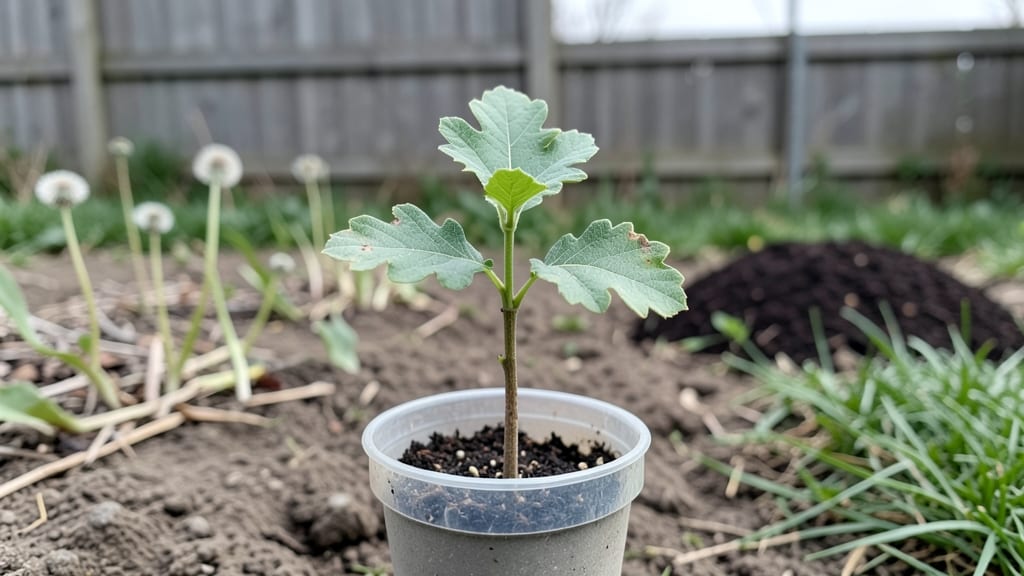
Proper oak seedling care in that first critical year decides whether your tiny acorn becomes a future giant—or just another garden casualty. 🌱 I’ve turned dozens of these stubborn starters into stately oaks by mastering three essential steps. steps—soil that mimics their native forest floor, watering that keeps roots happy without drowning them, and protection from pests that see seedlings as snacks.
Oak seedlings thrive when you treat them like the long-term investments they are—not like annual flowers you can replace next spring. Start with well-draining soil mixed with compost (no bagged potting mix—oaks hate that), and water deeply but infrequently.
Too much kindness here leads to rot, while too little stunts growth. I learned this the hard way after losing three seedlings to overwatering last spring.
By following these simple steps, you’ll watch your oak shoot up 12–18 inches in its first growing season, with roots spreading deeper than the top growth. The key is patience: oaks grow slow but strong, and a well-cared-for seedling will outlast you.
That first year sets the foundation for a tree that could live for centuries.
This method works for red, white, or pin oak seedlings—just adjust watering based on your climate. Drier regions need less frequent watering, while humid areas may require extra pest monitoring. Let’s get those roots growing strong from day one.
📚 In This Guide
- What you need
- Instructions
- Tips and common mistakes
- Wrapping up and next steps
What you need
- ● Oak acorn or seedling: 1 high-quality, disease-free acorn (or a 1–2-year-old seedling from a nursery). Pro tip: 🌡️ Choose acorns from mature, healthy oak trees—avoid those with holes or mold!
- ● Well-draining potting soil: 1 bag (5–10 lbs) of peat-free mix (e.g., 60% topsoil + 40% perlite/sand). Why? Oaks hate soggy roots!
- ● Growing container: 1–2 small pots (4–6 inches deep) with drainage holes, or a seed-starting tray.
- ● Watering can or spray bottle: For gentle hydration—no power washers here!
- ● Clear plastic wrap or humidity dome: 1 sheet (to retain moisture during germination).
- ● Sunlight access: A south-facing window or grow light (12+ hours/day).
- ● Pruning shears: Small, sharp pair for trimming (sterilize with rubbing alcohol!).
- ● Fertilizer: Balanced, slow-release (5-10-5 NPK ratio) or organic options like worm castings.
- ● Mulch: Shredded bark or straw (1–2 inches) to retain moisture (add after germination).
- ● pH test kit: To check soil acidity (oaks prefer slightly acidic, pH 5.0–7.0).
- ● Label markers: For tracking seedling progress (because future-you will thank you!).
- ● Outdoor space: A sheltered spot with partial shade (once seedlings are 6+ inches tall).
Step-by-Step oak seedling care for strong, healthy growth
Here’s how to nurture your oak seedlings into sturdy, thriving trees with minimal fuss.
🌱 Step 1: Choose the Right Spot and Prepare the Soil
Oak seedlings need room to grow—plant them at least 10 feet apart to avoid root competition. Pick a location with full sun (6+ hours daily), as partial shade slows growth and weakens wood structure. Avoid low spots where water pools, as oak roots rot easily in soggy conditions.
Before planting, loosen the soil to a depth of 12 inches with a garden fork. Mix in a 2-inch layer of compost to improve drainage and nutrient availability. Oaks thrive in well-draining soil, so if your area holds water, amend with sand or gravel for better aeration. Test the soil pH—oaks prefer slightly acidic to neutral (pH 6.0–7.0), so adjust with lime or sulfur if needed.
💧 Step 2: Water Deeply but Infrequently
Newly planted oak seedlings need 1 inch of water per week, but deep watering encourages strong root development. Water at the base (not overhead) to avoid fungal diseases. Let the soil dry slightly between waterings—oaks are drought-tolerant once established, but seedlings need consistent moisture for the first 2 years.
Check soil moisture by digging down 2 inches—if it’s dry, water again. Overwatering suffocates roots, so skip watering if rain provides enough moisture. Mulch with 3 inches of wood chips around the base (keep mulch 6 inches away from the trunk to prevent rot). This retains moisture, regulates soil temperature, and suppresses weeds—just refresh the mulch annually.
☀️ Step 3: Protect and Prune for Long-Term Health
Young oaks are vulnerable to deer, rabbits, and even curious pets. Install a 6-foot tall wire cage around seedlings until they reach 8 feet tall, or use commercial tree guards. Prune only to remove dead or crossing branches—never "thin" an oak for shape, as this stresses the tree. If you must prune, do so in late winter (before buds swell) and use clean, sharp tools to avoid tearing bark.
Watch for signs of stress: yellowing leaves may signal overwatering or nutrient deficiency, while wilting could mean drought or root damage. Fertilize only if growth stalls after 2 years, using a slow-release, balanced fertilizer (10-10-10) in early spring. Oaks grow slowly but steadily—patience is key. With proper care, your seedlings will develop into majestic, long-lived trees.
Tips & tricks for perfect oak seedling care
Here's what I've learned after nurturing my own oak seedlings—simple tricks that make all the difference between a struggling sapling and a thriving young tree.
Soil Preparation Secret: When loosening soil to that 12-inch depth in Step 1, don't just poke around—break up any compacted layers with your garden fork. I learned this the hard way after my first seedlings struggled to establish roots in dense soil. Also, if you're working with heavy clay, mix in that 2-inch compost layer with a little extra sand (about 1 part sand to 2 parts soil) to improve aeration without overwhelming the roots.
Watering Wisdom: The 1 inch per week guideline in Step 2 works perfectly in most climates, but here's the thing: morning watering is always better than evening. Watering in the morning lets the soil dry out during the day, reducing fungal risks. And when checking moisture at 2 inches deep, I use a clean screwdriver—it's more precise than my finger and gives me a clear visual of how dry the soil really is.
Mulching Mastery: That 3-inch wood chip mulch layer around your seedlings is doing more than just retaining moisture. It also creates a natural barrier against weeds that would compete with your young oak. Pro tip: use untreated wood chips only—treated lumber can leach chemicals that harm your seedlings. And remember to keep that mulch 6 inches away from the trunk to prevent rot at the base.
Protection Strategy: If you're dealing with deer or rabbits, don't wait until after planting to install that 6-foot wire cage. Set it up before planting—it's much easier to plant through the cage than to try to install it later. For a more natural look, I've used commercial tree guards wrapped in burlap, which still deters animals while blending into the landscape. The key is getting that protection in place before your seedling reaches 8 feet tall—that's when they become less vulnerable.
Pro Tips for Oak Seedling Care
- Here's what I've learned after nurturing my own oak seedlings—simple tricks that make all the difference between a struggling sapling and a thriving young tree.
- Soil Preparation Secret: When loosening soil to that 12-inch depth in Step 1, don't just poke around—break up any compacted layers with your garden fork.
- Watering Wisdom: The 1 inch per week guideline in Step 2 works perfectly in most climates, but here's the thing: morning watering is always better than evening.
Frequently asked questions
Got questions about nurturing your oak seedling?
You’re not alone! Here are answers to the most common concerns—from timing to troubleshooting—so your young oak gets the best start possible.
How often should I water my oak seedling?
Water your oak seedling deeply but infrequently—about once a week (or every 5–7 days) during the first year, depending on your climate. Overwatering suffocates roots, while underwatering stresses the plant. Check soil moisture 2 inches down; if it’s dry, it’s time to water. Pro tip: Use a soaker hose to avoid wetting leaves, which can cause disease.
How long does it take for an oak seedling to establish itself?
Oak seedlings typically take 1–2 years to establish a strong root system, but full maturity (ready for transplanting) can take up to 3–5 years in ideal conditions. Patience is key! Focus on consistent care—watering, mulching, and protecting from pests—during this time. Fun fact: Oaks grow slowly but live for centuries!
What are the most common pests for oak seedlings, and how do I prevent them?
Watch for oak leaf rollers, borers, and deer (they love young oaks!). Prevent pests by:
- Applying neem oil or insecticidal soap early in the season.
- Using tree guards to deter deer and rodents.
- Keeping the area weed-free to reduce hiding spots for pests.
Can I transplant my oak seedling in extreme heat or cold?
Transplanting in extreme temperatures (below 40°F or above 90°F) stresses seedlings. Aim for spring or fall when temps are mild (50–70°F). If you must transplant in heat, do it early morning or late evening and keep the root ball moist. For cold snaps, wrap the seedling in burlap and mulch heavily. Rule of thumb: The gentler the weather, the better the survival rate!
What’s the best mulch for oak seedlings?
Use 2–4 inches of organic mulch (like wood chips or shredded bark) to retain moisture and suppress weeds. Avoid fresh sawdust or pine straw—they can acidify the soil. Keep mulch 3–4 inches away from the trunk to prevent rot. Bonus: Mulch also regulates soil temperature, giving your seedling a stable environment to thrive!
Wrapping up and next steps
Caring for an oak seedling is a rewarding journey that nurtures both your green thumb and the future of a majestic tree! 🌳 With the right soil, sunlight, and patience, you’ll watch it grow strong and proud.
Whether you’re a beginner or a seasoned gardener, every small effort—like proper watering or mulching—makes a big difference.
Now that you’re armed with the essentials, take the next step: plant your seedling with confidence and keep an eye on its progress. Before you know it, you’ll be celebrating its towering branches—and maybe even sharing your success with fellow plant lovers! 🌱