
Trees
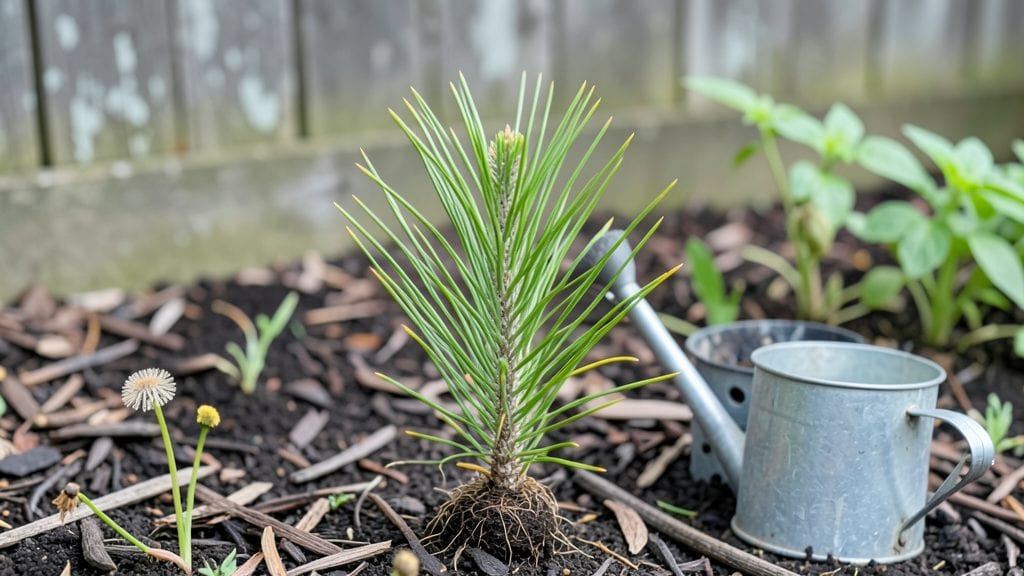
Caring for pine seedlings starts with understanding their stubborn little nature—these trees don’t play by the rules of fast-growing annuals. 🌲 The key to thriving roots and foliage lies in mimicking their natural forest environment, not coddling them like houseplants.
I’ve nursed dozens of these needle-covered rebels back from the brink of failure, and the secret isn’t complicated: it’s all about soil, water, and patience.
The first rule? Never let them sit in soggy soil—pine roots need air almost as much as water. A well-draining mix of peat moss, perlite, and sand keeps them happy, while a shallow but wide container prevents root crowding.
Water only when the top inch feels dry, and always use room-temperature water to avoid shocking their delicate systems. Outdoors, plant them in partial shade for the first year to protect their tender needles from harsh sun.
By summer’s end, you’ll see those first bold new needles signaling strong growth, and the scent of fresh pine will fill the air.
The real magic happens when you stop fussing and start trusting the process—pine seedlings grow slowly but steadily, and with these three steps, you’ll set them up for a lifetime of sturdy branches and fragrant foliage.
Whether you’re growing them in pots or preparing to transplant, the same principles apply. The only difference? Outdoor seedlings need a thicker layer of mulch to protect their roots from temperature swings. Let’s get those little trees off to the right start—without the guesswork.
📚 In This Guide
- What you need
- Instructions
- Tips and common mistakes
- Wrapping up and next steps
What you need
- ● Pine seedlings: 1–3 (depending on your space; choose healthy, disease-free saplings with firm stems).
- ● Well-draining soil: 1–2 bags (50–75 lbs each) of peat moss, pine bark fines, or a 50/50 mix of potting soil and perlite (critical for preventing root rot!).
- ● Container or planting area: For pots: 1–3 5–7 gallon containers with drainage holes (plastic or terracotta).
- ● For ground planting: A hole 2–3 times wider than the seedling’s root ball and 6–12 inches deep (adjust for soil type).
- ● Watering can or hose with a gentle spray nozzle: 1 (avoid over-saturating the soil).
- ● Organic mulch: 1–2 bags (e.g., pine straw, wood chips, or shredded bark) to retain moisture and regulate temperature.
- ● Slow-release fertilizer: 1 bag (e.g., 10-10-10 or a pine-specific formula) for initial feeding.
- ● Pruning shears: 1 pair (for trimming dead branches or shaping as needed).
- ● Root stimulator: 1 bottle (e.g., mycorrhizal fungi or hydroponic rooting gel to boost early growth).
- ● Shade cloth: 1 roll (30–50% coverage) if planting in hot climates during the first few weeks.
- ● Soil pH tester: 1 kit (pine trees prefer acidic soil (pH 4.5–6.0)).
- ● Automatic watering system: 1 (e.g., a drip irrigation kit) for hands-off care.
- ● Garden gloves: 1 pair (to protect your hands from pine sap and rough bark).
Instructions for cultivating healthy pine seedlings
Here’s the straightforward approach I’ve used to grow sturdy pine seedlings—no guesswork, just proven techniques for strong roots and vibrant foliage.
🌱 Step 1: Prepare the Planting Site for Optimal Drainage
Pine seedlings despise soggy roots, so start with well-draining soil. Mix the 3 gallons of coarse sand into the 5 gallons of potting mix until it’s about 30% sand—this prevents compaction and mimics their natural forest floor. Choose a spot with partial shade (morning sun, afternoon shade) to avoid scorching tender needles.
Dig a hole twice as wide as the seedling’s root ball but only as deep as the container it came in. Loosen the sides of the hole with your fingers to encourage roots to spread outward. If planting multiple seedlings, space them 3-4 feet apart—pines hate competition for water and nutrients.
💧 Step 2: Water Deeply and Establish a Consistent Routine
Water the seedling immediately after planting with 1 gallon of water poured slowly at the base—this settles the soil and eliminates air pockets. You’ll know it’s enough when water runs out the drainage holes. After that, water once every 5-7 days unless you’ve had heavy rain (check by sticking your finger 2 inches deep—if dry, water again).
Here’s the thing—pines are drought-tolerant once established, but seedlings need consistent moisture. Overwatering is worse than underwatering; yellowing needles or mushrooms around the base mean you’re drowning the roots. Mulch with 2 inches of pine straw (not wood chips) to retain moisture and block weeds—just keep it 6 inches away from the trunk to prevent rot.
☀️ Step 3: Protect and Gradually Acclimate to Sunlight
For the first 2-3 weeks, shield seedlings from direct afternoon sun with a shade cloth (50% block). Pines burn easily when transitioning from nursery shade to full sun. Watch for bronzed or crispy needles—that’s your warning sign to move them to a shadier spot immediately.
After 4 weeks, slowly introduce more sunlight by removing the shade cloth for 1-2 hours daily, then increasing by 30 minutes every 3 days. By 8 weeks, they should handle 4-5 hours of morning sun without stress. Avoid pruning now—you’ll damage the delicate growth tips that fuel future height.
✂️ Step 4: Monitor for Pests and Adjust Care Seasonally
Check seedlings weekly for spider mites or aphids—they love new pine needles. Spray with 1 tablespoon of neem oil mixed with 1 quart of water if you spot webbing or sticky residue. I also add ½ cup of Epsom salt to the soil every 3 months to boost magnesium, which keeps needles dark green and vibrant.
In winter, reduce watering to once every 10-14 days unless temperatures drop below 20°F, then add a light burlap wrap around the trunk for extra insulation. Prune only dead or crossing branches in late winter—never more than 10% of the foliage at once, or you’ll shock the seedling.
Tips & tricks for perfect pine seedling cultivation
Here's what I've learned after nurturing dozens of pine seedlings to maturity—simple adjustments that make all the difference between struggling saplings and thriving trees.
Soil Mix Precision: When combining the 3 gallons of coarse sand with 5 gallons of potting mix, sift both components first to eliminate clumps. I like to use a 50/50 mix of regular potting soil and peat moss for the 5 gallons—this improves moisture retention while maintaining that critical 30% sand ratio. The goal is a texture that resembles a well-draining forest floor, not compacted garden soil.
Watering Technique: That initial 1 gallon of water after planting should be applied in three stages: first a slow pour around the edges of the hole, then a concentrated stream at the center, and finally a gentle watering over the entire surface. This layered approach prevents soil compaction while ensuring thorough saturation. For the ongoing 5-7 day schedule, I use a rain gauge to measure exactly 1 inch of water each time—this consistency is more important than the exact frequency.
Sunlight Transition: The 2-3 week shade cloth period is non-negotiable for tender seedlings. I've seen beautiful pines turn into crispy husks when rushed into sunlight. After removing the shade cloth, I mark the sun exposure time on a calendar—starting with 1-2 hours and increasing by 30 minutes every 3 days. This systematic approach prevents sunburn while building gradual acclimation.
Pest Prevention: The weekly neem oil spray is your first line of defense against spider mites and aphids. I mix the 1 tablespoon neem oil with 1 quart of water in a spray bottle and apply it in the early morning when temperatures are below 80°F. The oil works best when applied directly to the undersides of needles where pests hide. For extra protection, I also dust the soil with diatomaceous earth around the base—just avoid getting it on the trunk itself.
Pro Tips for Pine Seedling Care
- Here's what I've learned after nurturing dozens of pine seedlings to maturity—simple adjustments that make all the difference between struggling saplings and thriving trees.
- Soil Mix Precision: When combining the 3 gallons of coarse sand with 5 gallons of potting mix, sift both components first to eliminate clumps.
- This layered approach prevents soil compaction while ensuring thorough saturation.
Frequently asked questions
Got questions about nurturing your pine seedlings? You're not alone—here are some of the most common concerns and straightforward answers to keep your young trees thriving!
How often should I water my pine seedlings?
Water your pine seedlings deeply but infrequently. Aim for about 1 inch of water per week, adjusting for rain. Overwatering can drown roots, while underwatering stresses them. Check soil moisture by sticking your finger 1-2 inches deep—if it’s dry, it’s time to water. Morning watering is ideal to reduce evaporation.
When is the best time to transplant pine seedlings?
Transplant your pine seedlings during their dormant season, either in early spring (before buds swell) or fall (after leaves drop). Avoid transplanting in extreme heat or cold. If you must move them in summer, do it on a cloudy day and keep the root ball moist. Acclimate them for a week before transplanting to reduce shock.
What should I do if my pine seedling’s needles turn brown?
Brown needles are often a sign of overwatering, underwatering, or pest damage. First, check the soil—if it’s soggy, let it dry out. If it’s bone-dry, water deeply. Inspect for spider mites or aphids on the undersides of needles. Prune affected branches and treat with neem oil or insecticidal soap if pests are present. Healthy soil prevents many issues!
Can I grow pine seedlings indoors before planting outdoors?
Yes! Start pine seedlings indoors in well-draining pots with a mix of peat, perlite, and sand. Place them near a sunny window or under grow lights for 12-14 hours daily. Once they’re 6-12 inches tall, harden them off by gradually exposing them to outdoor conditions over 2 weeks before transplanting. Indoor growing tips can help avoid transplant shock.
How do I protect pine seedlings from harsh weather?
Pine seedlings are tough but need shelter from extreme winds, frost, or scorching sun. Use burlap wraps or shade cloth in summer to prevent sunburn. In winter, mulch around the base with pine straw or wood chips to insulate roots. If frost is forecasted, cover seedlings with a lightweight frost cloth. Avoid plastic, which can trap moisture and cause rot.
Wrapping up and next steps
Caring for a pine seedling is all about patience, consistency, and a little love—just like nurturing any young plant! 🌱 With the right balance of sunlight, water, and soil, your seedling will grow into a stunning, healthy tree that adds beauty and value to your space.
Remember, even the mightiest pines started small, so trust the process and enjoy watching your efforts bloom.
Ready to take the next step? Plant your seedling in its permanent home and keep monitoring its progress. Soon, you’ll be proud of the thriving pine tree you’ve helped grow!