
Trees
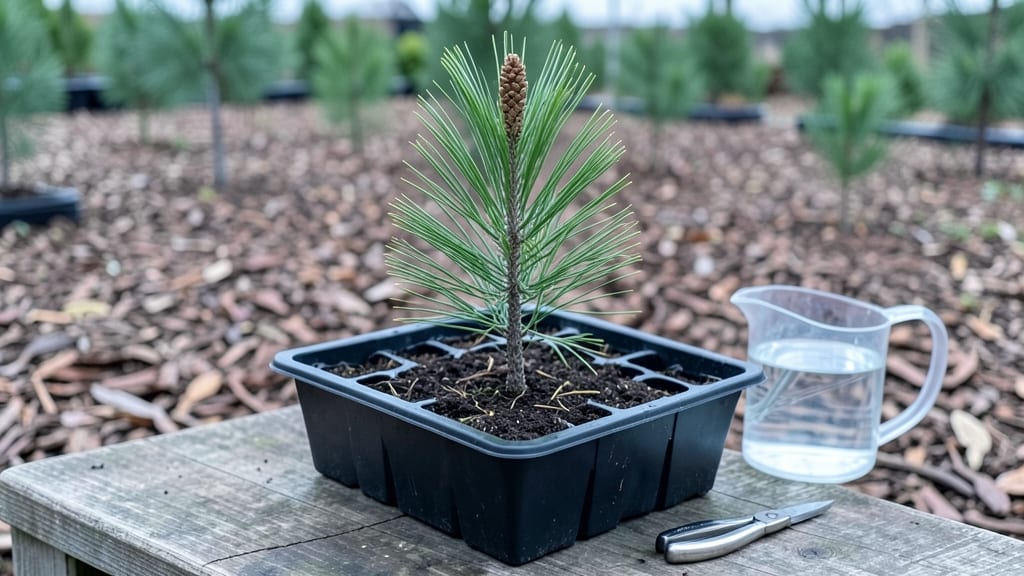
Growing a pine cone seedling starts with collecting fresh, viable seeds from mature cones, then subjecting them to cold stratification for 30-90 days in moist conditions to break dormancy. After that, plant them in well-draining soil and provide consistent warmth with indirect light, understanding germination can take months or even years for some species.
Stratification mimics the natural winter cycle that pine seeds experience in the wild, where cold temperatures and moisture signal the perfect time to sprout. 🌱 Most gardeners use a simple mix of damp peat moss and sand in a sealed container, placed in the fridge for the required period.
Once stratified, the seeds need a warm, bright environment—think 70°F with 6-8 hours of indirect light daily—to coax those first delicate shoots through the soil.
For best results, I recommend using a 50/50 mix of sand and peat moss in a shallow tray, keeping it consistently moist but never soggy. White pine seeds often germinate faster than loblolly or shortleaf varieties, so adjust your expectations accordingly.
The key is patience—some seeds may take up to two years to break through, but once they do, you're on your way to growing a sturdy young tree.
💡 In This Article
- Pine Cone Seed Stratification Process Explained
- Optimal Soil and Light Conditions for Germinating Pine Seedlings
Pine cone seed stratification process explained
Stratification isn't just a step—it's a biological hack that mimics the natural winter cycle pine seeds experience in the wild. When cones drop in fall, seeds remain dormant until cold, moist conditions signal spring's arrival.
The cold breaks down growth-inhibiting chemicals (like abscisic acid) while moisture activates enzymes that prepare the seed for germination. Without this process, many pine seeds would never sprout—some species have germination rates below 10% without proper stratification. 🌲
For refrigerator stratification, use a 50/50 mix of damp peat moss and perlite in a sealed container. Place it in the crisper drawer (around 35-40°F) where humidity stays high.
Outdoor stratification works too—bury seeds in a 6-inch-deep trench in a shady spot, covering them with 3-4 inches of soil. The key difference? Outdoor methods expose seeds to natural temperature fluctuations, which some species (like loblolly pine) prefer over steady fridge temps.
White pine seeds typically need 60 days of cold treatment, while shortleaf pines may require 90 days or more.
Moisture control is critical—too dry and enzymes stall; too wet and seeds rot. Aim for 50-60% moisture content in your medium (like a wrung-out sponge). Check weekly: if water beads on the surface, it's too wet.
The cold triggers a biochemical cascade where cell membranes become more fluid, allowing water and oxygen to penetrate the seed coat. This is why seeds placed in freezing conditions (below 32°F) often fail—the ice crystals can rupture delicate embryonic tissues. 🧊
Species-specific timing varies dramatically. Eastern white pine seeds often germinate within 3-6 months after stratification, while loblolly pine seeds may take 1-2 years to break dormancy completely. The reason?
Different pine species evolved in distinct climates—northern pines adapted to shorter winters, while southern varieties developed deeper dormancy to survive longer dry seasons. For example, a white pine seedling might reach 2 inches tall in its first year, while a loblolly pine might only show a tiny root sprout.
What most people overlook is the post-stratification "verification" step. After cold treatment, place seeds in warm water (70°F) for 24 hours—if they swell or crack slightly, they're ready. This simple test saves months of waiting with non-viable seeds.
For stubborn species like pitch pine, some gardeners use a two-stage stratification: 60 days cold followed by 30 days warm before repeating the cold cycle. This mimics the unpredictable spring thaw patterns in their native habitats. 🌱
Pro tip: Label your containers with the pine species and stratification start date. Some seeds (like Virginia pine) benefit from a light exposure period during stratification—place them near a 100-watt bulb for 12 hours/day during the cold treatment.
This simulates the gradual lengthening of daylight that triggers germination in nature. The science? Phytochrome pigments in the seed detect red light, which helps regulate growth hormones like gibberellins. 💡