
Pruning
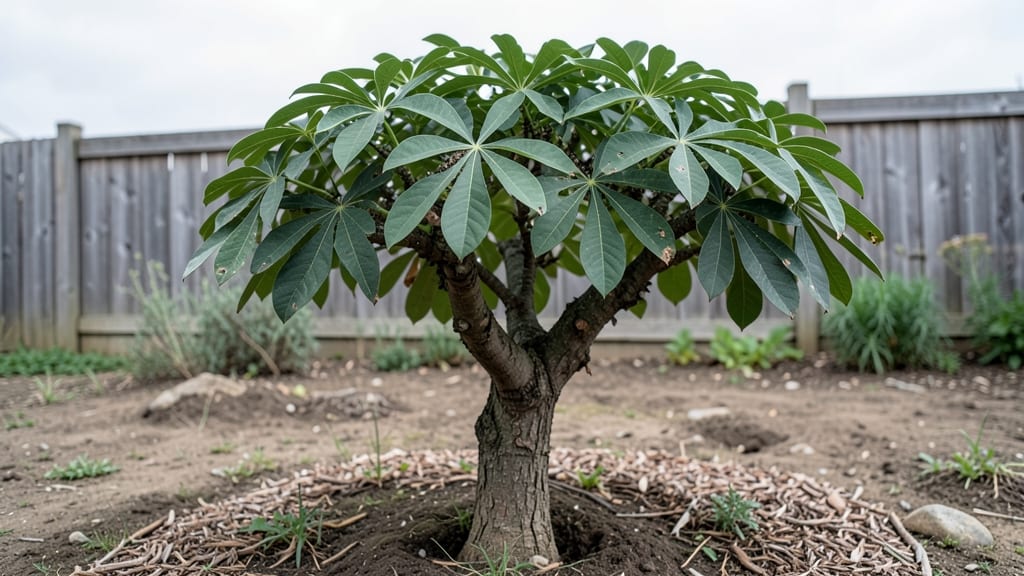
Growing propeller tree seeds from scratch is faster than you think—especially when you skip the guesswork. ✨ These striking trees (Bauhinia variegata 'Candelabra') produce seeds that sprout reliably with the right approach, giving you a head start on that dramatic, fan-shaped foliage you’ve been admiring.
The key? Mimicking their tropical origins in your own setup, whether you’re working with store-bought seeds or ones you’ve collected yourself.
You’ll need just three things to get started: a shallow tray or small pots, a well-draining soil mix (think 60% potting soil, 30% perlite, 10% compost), and a spray bottle for gentle watering. Most seeds germinate within 10-14 days when kept warm—around 75-80°F—and moist but never soggy.
The real secret? A humidity dome (plastic wrap over the tray) speeds things up by keeping conditions just right, like a mini greenhouse.
Once those first leaves unfurl, you’ll be hooked on the progress—tiny versions of the iconic propeller-shaped leaves appear within weeks. By 3-4 months, seedlings can handle transplanting into larger pots, and with proper care, they’ll reward you with 6-foot-tall canopies by their second year.
The best part? These trees thrive in containers, making them perfect for patios or small yards.
Fair warning: Not all propeller tree seeds are created equal. Many nursery trees are grafted for better shape, so seed-grown plants might take longer to reach their full ornamental potential.
But for the adventurous gardener, the payoff of growing one from seed—watching it transform from a tiny sprout to a statement tree—is worth the wait. Ready to try?
📚 In This Guide
- What you need
- Instructions
- Tips and common mistakes
- Wrapping up and next steps
What you need
- ● Propeller tree seeds: 5–10 fresh, plump seeds (harvested from ripe pods or purchased from a reputable supplier). Pro tip: Soak seeds in warm water for 24 hours to speed up germination! 💡
- ● Seed-starting mix: 2–3 cups of well-draining, sterile potting soil (or a 50/50 blend of peat moss and perlite).
- ● Small pots or trays: 4–6 biodegradable seedling pots (3–4 inches deep) or a shallow tray with drainage holes.
- ● Spray bottle: For gentle watering (avoid over-saturating the soil!).
- ● Clear plastic wrap or humidity dome: To retain moisture during germination.
- ● Grow lights or sunny windowsill: A spot with 6–8 hours of indirect light daily (south-facing window or LED grow lights).
- ○ Gloves (optional): To protect hands from seed pods or soil.
- ○ Fine mist sprayer (optional): For precise hydration.
- ○ Heat mat (optional): If germinating in cooler climates (70–80°F / 21–27°C is ideal).
- ● Fertilizer (after germination): A balanced, water-soluble fertilizer (e.g., 10-10-10) for young seedlings.
- ● Patience & consistency! Propeller trees germinate in 7–21 days—keep soil moist and warm. ⏳
- ● Compacted or clay-heavy soil (roots need aeration!).
- ● Overwatering (soggy soil = rot risk).
- ● Direct sunlight during germination (can dry out seeds too fast).
Step-by-Step instructions for germinating propeller tree seeds
Here’s how to coax these tropical beauties from seed in record time—no waiting months for stubborn sprouts.
🌱 Step 1: Soak Seeds to Break Dormancy
Propeller tree seeds have thick outer shells that slow germination. Place them in a bowl of lukewarm water for 24 hours—this softens the coating and kickstarts the process. I like to use a mesh bag so seeds stay contained while soaking. After 24 hours, gently rub the seeds between your fingers to loosen any remaining tough skin; you’ll feel resistance give way.
The water should feel slightly warm to the touch, not scalding. If seeds float, they’re likely empty—discard them. Only sinkers are worth planting. This pre-treatment cuts germination time nearly in half, from 4-6 weeks to just 10-14 days.
💧 Step 2: Plant in Warm, Moist Medium
Fill a seed tray with 2-3 inches of moistened seed-starting mix, keeping it just damp—not soggy. Propeller trees thrive in warmth, so place the tray on a seedling heat mat set to 75-80°F. Press seeds ½ inch deep into the soil, spacing them 1 inch apart to prevent overcrowding later. A light misting with a spray bottle ensures even moisture without disturbing the seeds.
Cover the tray with clear plastic wrap to trap humidity, but leave a small gap for airflow. Check daily for condensation—if droplets form on the plastic, lift it briefly to air out. The soil should feel like a wrung-out sponge: damp but not dripping. This warm, humid environment mimics their tropical origins and speeds up sprouting.
☀️ Step 3: Provide Indirect Light and Ventilate
Propeller trees need bright, indirect light to germinate—direct sun at this stage can scorch tender seedlings. Place the tray near a south-facing window or under a grow light set to 12 hours of light daily. I position the light 6 inches above the tray and adjust as seedlings grow. Avoid cold drafts; these tropicals won’t tolerate temperatures below 65°F.
After 7-10 days, remove the plastic wrap entirely and increase airflow. You’ll spot the first true leaves—small, glossy, and oval-shaped—as a sign to reduce humidity. At this stage, water from the bottom by placing the tray in ½ inch of water for 10 minutes, then drain excess. This prevents fungal issues while keeping roots hydrated.
🌿 Step 4: Thin and Transplant Seedlings
Once seedlings reach 2-3 inches tall and show 4-5 true leaves, it’s time to thin. Use scissors to snip the weakest stems at soil level, leaving the strongest 2-3 seedlings per cell. Transplant these into 4-inch pots with fresh seed-starting mix, burying stems up to their first set of leaves. This encourages root growth along the buried stem.
Keep new pots in bright, indirect light for 1 week before introducing them to morning sun. You’ll notice faster growth once they’re in larger containers—propeller trees are shallow-rooted but need space to develop their iconic canopy. Fertilize lightly with a balanced liquid fertilizer diluted to half-strength after 4 weeks to avoid burning tender roots.
⏰ Step 5: Harden Off for Outdoor Transition
When seedlings are 6-8 inches tall and show new growth weekly, they’re ready for outdoor acclimation. Start by placing them in a shaded, sheltered spot for 2 hours daily, gradually increasing time over 2 weeks. Watch for leaf color—if they yellow, they’re getting too much sun. Propeller trees prefer partial shade but will tolerate full sun in warmer climates.
After hardening off, transplant outdoors to a location with dappled sunlight and well-draining soil. Space mature trees 10-15 feet apart to accommodate their wide canopies. Mulch around the base to retain moisture and regulate soil temperature. With patience, your seedlings will develop into the striking, propeller-shaped leaves that give this tree its name.
Tips & tricks for fast propeller tree germination
These game-changing strategies will help you bypass the months-long wait and get those iconic propeller leaves sprouting in record time.
Soaking Precision: The 24-hour soak is non-negotiable for breaking dormancy, but here's the secret: use a mesh bag to contain seeds while soaking. This prevents them from sinking to the bottom where stagnant water collects. After soaking, gently rub seeds between your fingers—you'll feel the resistance give way when the shell softens enough. Discard any seeds that float immediately; they're empty husks that'll waste your time and resources. The slight warmth of lukewarm water (around 80°F) activates enzymes that jumpstart germination.
Heat Mat Hack: That 75-80°F heat mat isn't just warm—it's the difference between waiting weeks and seeing sprouts in days. If you don't have a heat mat, place your seed tray on top of your refrigerator (not inside) where it stays consistently warm. The key is maintaining that tropical temperature range without letting soil get soggy. I've seen germination times cut by nearly 50% just by ensuring this consistent warmth during the critical first 10 days.
Light Positioning: When setting up your grow light 6 inches above the tray, position it so it covers the entire tray evenly. Propeller tree seedlings are sensitive to uneven light exposure, which can cause them to grow lopsided. After those first 7-10 days with plastic wrap, remove it completely and increase airflow—this prevents fungal issues while still maintaining humidity. The moment you see those first true leaves (small, glossy ovals), it's time to switch to bottom-watering to avoid disturbing delicate roots.
Hardening Off Strategy: The 2-hour daily outdoor acclimation period in Step 5 should start in the late afternoon when temperatures are cooler. Gradually increase time by 30 minutes every 2-3 days until you reach full sun exposure. Watch for leaf yellowing—this is your warning sign of too much direct sunlight. In cooler climates, extend the hardening off period by a week to prevent shock when moving outdoors permanently. The goal is to let them adapt to temperature fluctuations without sudden stress.
Pro Tips for Propeller Tree Seeds
- These game-changing strategies will help you bypass the months-long wait and get those iconic propeller leaves sprouting in record time.
- Soaking Precision: The 24-hour soak is non-negotiable for breaking dormancy, but here's the secret: use a mesh bag to contain seeds while soaking.
- Heat Mat Hack: That 75-80°F heat mat isn't just warm—it's the difference between waiting weeks and seeing sprouts in days.
Frequently asked questions
Got questions about growing propeller tree seeds? You’re not alone!
Here are some of the most common queries—plus quick, actionable answers to help you cultivate a thriving canopy with ease.
How long does it take for propeller tree seeds to germinate?
Propeller tree seeds (Heliocarpus americanus) typically germinate within 7–21 days under ideal conditions—warmth (70–85°F), consistent moisture, and indirect light. For faster results, soak seeds in warm water for 24 hours before planting. Patience is key, but don’t worry if sprouts take a little longer!
Can I plant propeller tree seeds directly in the ground, or should I start them indoors?
While you can sow seeds outdoors in warm climates (USDA Zones 9–11), starting them indoors 6–8 weeks before the last frost gives them a head start. Use seed trays with well-draining soil, cover lightly with peat moss, and keep them in a sunny spot. Transplant seedlings outdoors only after frost risk has passed!
What’s the best soil mix for growing propeller tree seeds?
These seeds thrive in light, well-draining soil with a pH of 6.0–7.5. Mix equal parts peat moss, perlite, and sandy loam to prevent root rot. Avoid heavy clay soil—it can suffocate young roots. A touch of compost (10%) boosts nutrients without compacting the mix.
Why aren’t my propeller tree seeds sprouting? Troubleshooting tips.
If seeds refuse to sprout, check these fixes:
- Temperature: Too cold? Use a heat mat (75–80°F) to mimic tropical conditions.
- Moisture: Overwatering drowns seeds; keep soil damp (not soggy) with a spray bottle.
- Light: Seeds need bright, indirect light—no dark corners!
- Viability: Test a few seeds in warm water. If they sink but don’t swell, they may be old or dead.
Are there faster-growing alternatives to propeller trees for quick shade?
If you need shade fast, consider these propeller tree seed alternatives:
Tree Type
Germination Time
Shade Potential
Morning Glory Vine (fast-growing annual)
5–10 days
Moderate (vining)
Leucadendron (South African tree)
14–21 days
Full sun tolerance, dense foliage
Fast-growing willow (e.g., Salix babylonica)
7–14 days
Rapid height (but shorter lifespan)
Propeller trees are worth the wait for their unique propeller-like seed pods and drought tolerance!
Wrapping up and next steps
Growing a propeller tree from seed is a rewarding journey that brings a touch of tropical beauty to your garden! With their fast germination and striking foliage, these trees are perfect for adding height and drama to your outdoor space.
Whether you're a seasoned gardener or just starting out, the key is patience, consistency, and a little green thumb love.
Ready to watch your propeller tree seeds sprout into a stunning canopy? Start by planting your seeds today—follow the steps above, and soon you’ll be admiring the lush, whirling leaves of your very own propeller tree! 🌿✨