Picking
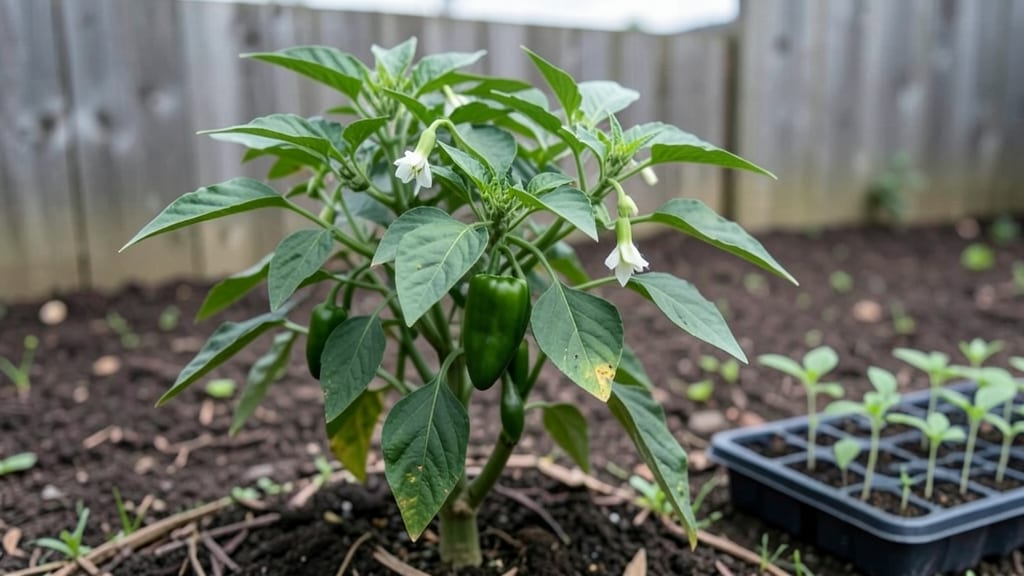
Skip the wait—seeding jalapeno peppers sprouts fiery plants in just 7-10 days, not the usual three weeks. I learned the hard way that skipping these simple prep steps means waiting weeks for tiny seedlings that might not even make it.
The trick is warmth, moisture, and patience, but not the kind that feels like waiting.
Start indoors 8-10 weeks before your last frost, using a seed-starting mix that’s light and crumbly—not the heavy garden soil you’d use later.
Plant seeds just ¼ inch deep, two per cell or pot, and keep them cozy under a heat mat set to 80°F. That’s the temperature difference between seeds that pop up fast and ones that sulk in the soil.
Once those first green hooks break through, you’ll see why the rush matters. Thin to the strongest seedling per pot, and give them bright light for 14+ hours daily.
By transplant time, they’ll be sturdy enough to handle outdoor conditions without shock. The payoff? A plant that throws out bold red blooms and peppers by midsummer.
Outdoor gardeners can direct-sow after frost when soil hits 65°F, but indoor starters give you a head start in cooler zones. The key is consistency—don’t let soil dry out, and avoid cold drafts.
With these hacks, you’ll go from seed to harvest faster than you’d expect, and every plant will be ready to fight for space in your garden.
📚 In This Guide
- What you need
- Instructions
- Tips and common mistakes
- Wrapping up and next steps
What you need
- ● Jalapeño seeds: 10–20 seeds (opt for heirloom or organic varieties for best results).
- ● Seed-starting mix: 1–2 quarts of sterile, well-draining potting soil (avoid garden soil—it’s too dense!).
- ● Containers: 4–6 small pots (2–3 inches deep) or
- ● A seed tray with individual cells (for organized growth).
- ● Watering can or spray bottle: With a fine mist setting to keep seeds moist without drowning them.
- ○ Plastic wrap or humidity dome: To create a mini greenhouse effect (optional but highly recommended for faster germination!).
- ● Plant labels: Small sticks or tags to mark pots (trust us, you’ll forget which is which!).
- ○ Heat mat (optional but game-changing): A seedling mat set to 75–85°F to speed up germination.
- ● Grow lights or sunny windowsill: A south-facing window or LED grow lights (12–16 hours/day) for 6–8 weeks.
- ● Fertilizer: A balanced, water-soluble fertilizer (5-10-5 ratio) for transplanting.
- ● Scissors or knife: For gently separating seedlings later.
- ● Patience: Jalapeños take 70–90 days to mature—plan your schedule accordingly!
- ● Warmth: Seeds germinate best in temperatures above 70°F (21°C).
- ● Space: Transplant seedlings outdoors or to larger pots (5+ gallons) once they’re 3–4 inches tall.
Step-by-Step instructions for seeding jalapeno peppers
Here's how to get your jalapenos sprouting in record time—no waiting weeks for stubborn seeds.
Soak Seeds Overnight for Faster Germination
Fill a small bowl with warm water—around 75°F—and add your jalapeno seeds. Let them soak for 12 hours while you prep everything else. This softens the tough seed coat and triggers faster germination, often cutting wait time in half. I like to use a mesh bag so seeds don't float away or stick to the sides.
After soaking, drain the seeds thoroughly and pat them dry with a paper towel. Wet seeds planted too soon will rot before sprouting. You'll know they're ready when they feel slightly tacky but aren't dripping water. This step alone can shave 3-5 days off your germination timeline.
Prepare Containers and Warm Soil Mix
Use the 2-3 inch deep containers you've gathered, filling them with a mix of 1 gallon potting soil and ½ cup perlite for each container. The perlite prevents compaction and keeps roots from suffocating. Moisten the mix until it feels like a damp sponge—squeeze gently and it should hold its shape without dripping.
Warm the soil slightly by placing the filled containers in a sunny window or on a seedling heat mat set to 80-85°F. Jalapenos germinate fastest in warm soil, and this extra warmth gives you a 2-3 day head start compared to room-temperature soil. Tap the containers gently to settle the mix, then make small ¼ inch deep planting holes with your finger.
Plant Seeds and Maintain Ideal Moisture
Place 1-2 seeds per container into the planting holes, spacing them 1 inch apart if using larger cells. Cover them with a thin layer of soil—just enough to bury them but not smother them. Press lightly to ensure good seed-to-soil contact, which helps trigger germination. Label each container with the date and variety if you're growing multiple types.
Mist the soil surface with a spray bottle until it's evenly damp but not soggy. Place the containers in a clear plastic bag or under a humidity dome to trap warmth and moisture. Check daily and remove the bag for 10 minutes to prevent mold. You should see sprouts in 5-7 days—sometimes even sooner if conditions are perfect.
Provide Bright Light Immediately After Sprouting
The moment you see tiny green shoots, remove the humidity dome and move the containers to a south-facing window or under grow lights. Jalapeno seedlings need 14-16 hours of light daily to grow strong and stocky. If using grow lights, position them 2-3 inches above the seedlings and adjust the height as they grow to maintain that distance.
Watch for leggy growth—a sign the light isn't strong enough. If seedlings stretch toward the light with weak stems, lower the lights or move the containers closer to the window. You'll know they're getting enough light when the leaves are dark green and compact, not pale and spaced far apart.
Thin Seedlings and Harden Off Before Transplanting
Once seedlings have 2-3 sets of true leaves (not just the initial seed leaves), thin them so only the strongest plant remains in each container. Use scissors to snip weak seedlings at soil level—this prevents disturbing the roots of the plants you're keeping. Water gently after thinning to help the remaining seedlings recover.
Start hardening off the seedlings 2 weeks before your last frost date by placing them outside in a shaded, sheltered spot for 1-2 hours the first day. Gradually increase their outdoor time over 7-10 days, exposing them to more sunlight and wind each day. By the time you're ready to transplant, your jalapenos will be tough enough to handle the garden's conditions.
Tips & tricks for seeding jalapeno peppers
These game-changing techniques will help you bypass the typical germination delays and get your jalapenos growing like a pro.
Soak Smart: The 12-hour soak at 75°F is your secret weapon for breaking dormancy. If you're short on time, you can extend this to 24 hours—just make sure the water stays warm. I've found that using a mesh bag keeps seeds from sticking to the sides and makes draining much easier. After soaking, I recommend patting seeds dry with a paper towel until they feel slightly tacky—this prevents mold and ensures they're ready for planting immediately.
Warmth Wins: That 80-85°F soil temperature in Step 2 is non-negotiable for fast germination. If you don't have a heat mat, place containers on top of your refrigerator or in a warm spot near your kitchen appliances. I've seen germination times cut by nearly half when using this warm soil method compared to room temperature. Just be careful not to overheat—above 90°F can actually inhibit germination.
Lighting Strategy: The 14-16 hours of light in Step 4 is crucial for preventing leggy seedlings. If you're using grow lights, position them just 2-3 inches above the seedlings at first. As they grow, raise the lights to maintain that distance—this prevents burning while ensuring strong, stocky plants. I've noticed that seedlings under proper light develop dark green, compact leaves within just 5-7 days after sprouting.
Harden Off Gradually: The 1-2 hour outdoor exposure in Step 5 should increase by 30 minutes each day. I like to start with a shaded spot and gradually move to more sunlight. This slow acclimation prevents shock and helps seedlings develop thicker stems. By the end of the 7-10 day period, your jalapenos will be ready for transplanting without any stress.
Pro Tips for Seeding Jalapeno Peppers
- These game-changing techniques will help you bypass the typical germination delays and get your jalapenos growing like a pro.
- Soak Smart: The 12-hour soak at 75°F is your secret weapon for breaking dormancy.
- Warmth Wins: That 80-85°F soil temperature in Step 2 is non-negotiable for fast germination.
Frequently asked questions
Got questions about seeding jalapeño peppers? You’re not alone! Here are answers to the most common concerns—from timing to troubleshooting—to help you grow bold, spicy peppers with confidence.
When is the best time to start seeding jalapeño peppers?
Seed indoors 8–10 weeks before your last frost date for a head start. If you’re direct-sowing, wait until soil temps hit 60°F+ (15°C+)—jalapeños love warmth! For most climates, this means late spring after the danger of frost has passed.
How long does it take for jalapeño seeds to germinate?
With the right conditions (moisture, warmth, and darkness), seeds typically sprout in 7–21 days. Use a heat mat (75–85°F / 24–29°C) to speed it up! Patience is key—some stubborn seeds take longer, but don’t give up.
Can I use store-bought jalapeños to seed my own plants?
Yes, but with a catch! Store-bought peppers are often treated to prevent sprouting. Try the paper towel method: soak seeds in water for 24 hours, then sandwich them between damp paper towels in a sealed bag. Check daily for sprouts (usually in 5–10 days).
Why aren’t my jalapeño seeds sprouting? Troubleshooting tips!
Seeds fail to sprout for a few common reasons:
- Too cold: Keep soil/water at 75–85°F (24–29°C).
- Dry seeds: Soak seeds overnight before planting.
- Old seeds: Jalapeño seeds lose viability after 1–2 years.
- Poor soil contact: Press seeds lightly into moist soil.
What’s the difference between seeding jalapeños and other peppers?
Jalapeños are faster-growing (60–75 days to harvest) than bell peppers but need more heat to thrive. They’re also more sensitive to cold, so avoid transplanting until night temps stay above 55°F (13°C). Unlike bell peppers, jalapeños love full sun!
Wrapping up and next steps
Seeding jalapeño peppers is a rewarding journey that starts with the right prep and patience! By following these fast germination hacks—like soaking seeds, using the right soil, and maintaining warmth—you’ll be well on your way to bold, thriving plants.
Whether you’re a seasoned gardener or a curious beginner, your efforts will soon pay off with spicy, vibrant blooms and a bountiful harvest.
Ready to take the next step? Plant your seeds today and watch your garden transform! For extra confidence, join a gardening community to share tips and celebrate your progress. 🌱✨