
Companion Plants
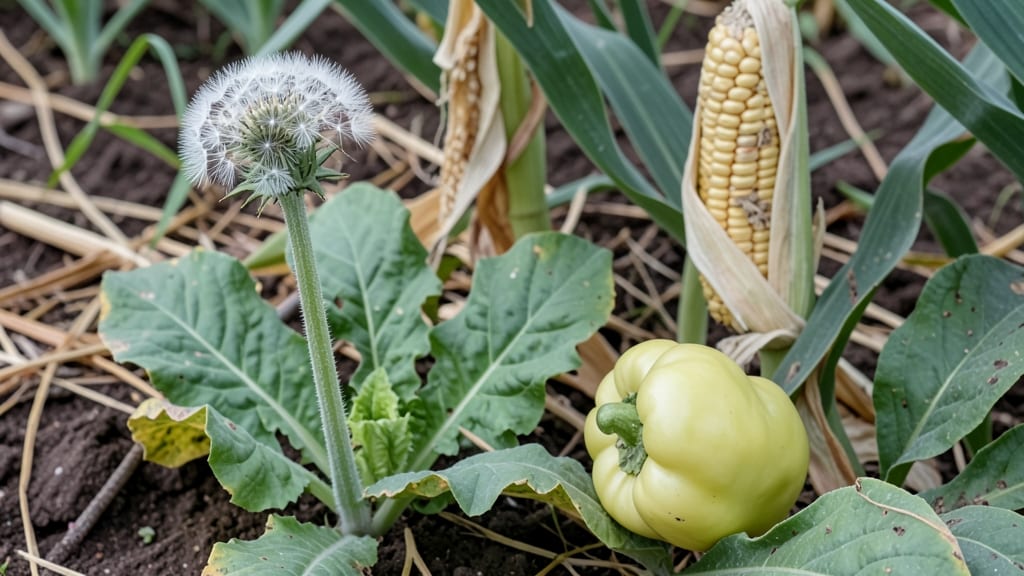
The best seeds plants give are the ones that transform your soil. 🌱 I learned this after my beans produced pods that turned my tired garden into a nitrogen-rich powerhouse—no fertilizer needed.
These legumes don’t just feed you; they feed the earth beneath your feet, breaking down into natural fertilizer that future plants will love.
Not all plants play this role, but the right ones—like peas, clover, or alfalfa—work like tiny soil engineers. They form a symbiotic relationship with bacteria in their roots, pulling nitrogen from the air and storing it where it matters most.
The secret? Let them grow to maturity, then chop and drop their spent plants into the soil as green manure.
You’ll notice the difference in just one growing season: richer soil, fewer weeds, and plants that thrive with less effort. The process is simple—plant, grow, return to the earth—and the payoff is a garden that feeds itself over time. Ready to turn your garden into a self-sustaining ecosystem?
This works best in cool seasons and for gardeners who want to cut back on synthetic fertilizers. Start small with a few nitrogen-fixing plants, and watch your soil transform before your eyes. The best part? You’re not just growing food—you’re growing a healthier garden for years to come.
📚 In This Guide
- What you need
- Instructions
- Tips and common mistakes
- Wrapping up and next steps
What you need
- ● Seeds: Choose nitrogen-fixing plants like: Peas (e.g., Sugar Snap or Wax Peas) – 1-2 lbs (450-900g)
- ● Beans (e.g., Bush or Pole Beans) – 1-3 lbs (450-1,350g)
- ● Clover (e.g., Crimson or White Clover) – ½ lb (225g) per 100 sq ft
- ● Alfalfa – 1 lb (450g) per 500 sq ft
- ● Growing Medium: Well-draining potting mix (10-20 lbs or 4.5-9 kg per container)
- ● OR garden soil (test pH: 6.0-7.5 for best results)
- ● Containers or Garden Space: Containers: 5-10 gallon pots (with drainage holes)
- ● OR in-ground plots (minimum 12" deep)
- ● Watering Supplies: Watering can or hose with a gentle spray nozzle
- ○ Drip irrigation kit (optional but helpful)
- ○ Fertilizer (Optional): Balanced fertilizer (e.g., 10-10-10) – ½ cup per 10 sq ft (if soil is poor)
- ● Hand Trowel (for planting seeds)
- ● Garden Gloves (to protect your hands)
- ● Pruners or Scissors (for harvesting or trimming)
- ● Soil pH Test Kit (to check nitrogen levels)
- ● Compost or Mulch (to retain moisture and nutrients)
- ● ✅ Sunlight: Most nitrogen-fixers need 6-8 hours of sun daily.
- ● ✅ Temperature: Ideal germination range: 60-85°F (15-29°C).
- ● 💡 Companion Plants: Pair with tomatoes, corn, or carrots for mutual benefits!
- ● 🌱 Rotation Plan: Plant in early spring or late summer for best soil enrichment.
How to grow nitrogen-fixing plants for soil supercharging
Transform your garden's soil health with these hardworking plants that literally feed themselves and your other crops!
🌱 Step 1: Select the Right Nitrogen-Fixing Plants
Start with proven performers like clover, alfalfa, or beans—these are the nitrogen-fixing superstars. I always plant red clover for its deep roots and hairy vetch for winter hardiness. These plants form symbiotic relationships with soil bacteria that pull nitrogen from the air and deposit it where your other plants can use it. Choose varieties suited to your climate; some thrive in cool seasons while others prefer warmth.
For immediate results, mix nitrogen-fixers with your existing garden plants. For example, I interplant bush beans between my tomatoes—the beans feed the soil while the tomatoes shade the beans' leaves. This creates a living mulch that suppresses weeds and improves soil structure as it decomposes.
🌿 Step 2: Prepare Your Soil for Maximum Benefit
Before planting, test your soil's existing nitrogen levels—most home tests show whether you need more or can skip this step. If your soil is already rich, you'll still benefit from the improved structure and organic matter these plants provide. Work in 2-3 inches of compost before planting to give your nitrogen-fixers a strong start.
These plants thrive in well-draining soil with a pH between 6.0 and 7.0. If your soil is too acidic, add 1-2 pounds of lime per 100 square feet a few weeks before planting. The key is creating an environment where those beneficial bacteria can flourish—think of it like setting up a five-star hotel for soil microbes!
💧 Step 3: Plant at the Right Time and Depth
Sow seeds when soil temperatures reach at least 60°F—this ensures the bacteria in the roots (called rhizobia) become active. For most nitrogen-fixers, plant seeds ½ to 1 inch deep, depending on their size. I like to use a seed starter fertilizer with mytomato seeds to give them a phosphorus boost for strong root development.
Space plants according to their mature size—6-12 inches apart for most beans and clovers. Thin seedlings to avoid competition, but don't remove them completely. Instead, chop the thinnings and leave them on the soil surface as a green mulch. This adds organic matter while the roots continue to fix nitrogen.
☀️ Step 4: Maintain with Minimal Care
Nitrogen-fixing plants are low-maintenance champions. Water them 1-2 inches per week, keeping the soil consistently moist but never soggy. You'll know they're happy when their leaves stay vibrant green and they grow steadily—no yellowing or wilting means the bacteria are working their magic.
These plants don't need extra nitrogen fertilizer, but they do appreciate potassium and phosphorus for strong growth. Side-dress with ½ cup of 5-10-10 fertilizer per 10 feet of row when plants are 6 inches tall. Watch for pests like aphids or Japanese beetles—if you see damage, spray with neem oil to protect your plants without harming beneficial insects.
✂️ Step 5: Harvest and Return Nutrients to Soil
The real magic happens when you cut these plants back or let them flower and set seed. For maximum nitrogen benefit, I mow clover and vetch down when they reach 12-18 inches tall—this stimulates regrowth and keeps them from going to seed too quickly. The chopped material decomposes rapidly, releasing nitrogen as it breaks down.
When plants finish their cycle (usually after 60-90 days), till them under or leave them as mulch. If you're planting a new crop in the same spot, wait 4-6 weeks after tilling to let the nitrogen become available. For winter cover crops, let them grow until hard frost, then chop and drop them—this gives you a head start on spring planting!
Tips & tricks for perfect nitrogen-fixing plant growth
These game-changing strategies will help you maximize nitrogen benefits while keeping your nitrogen-fixing plants thriving like never before!
Soil Temperature Secret: That 60°F soil temperature from Step 3 is non-negotiable for activating rhizobia bacteria. Use a soil thermometer to check—if it's cooler than 60°F, cover the bed with black plastic for a few days to warm it up. Cold soil slows down the nitrogen-fixing process, so don't rush planting until you hit that magic number.
Interplanting Strategy: When mixing nitrogen-fixers with existing plants (like those bush beans with tomatoes), space them 6-12 inches apart to avoid competition. I've found that planting beans in a checkerboard pattern between tomatoes creates perfect shade while maximizing soil benefits. This also prevents the beans from getting too crowded and losing their vigor.
Harvest Timing Hack: Mowing clover and vetch at 12-18 inches tall might seem counterintuitive, but this height ensures you're cutting just before flowering—when the nitrogen content peaks. Use sharp mower blades to avoid tearing the plants, which can invite disease. The chopped material should be 1-2 inches long for optimal decomposition and nitrogen release.
Winter Prep Move: For winter cover crops, let them grow until hard frost rather than cutting earlier. The frozen plants will slowly decompose over winter, releasing nitrogen exactly when your spring crops need it most. This is nature's slow-release fertilizer working its magic while you sleep!
Pro Tips for Seeds Plants Give
- These game-changing strategies will help you maximize nitrogen benefits while keeping your nitrogen-fixing plants thriving like never before!
- Soil Temperature Secret: That 60°F soil temperature from Step 3 is non-negotiable for activating rhizobia bacteria.
- Interplanting Strategy: When mixing nitrogen-fixers with existing plants (like those bush beans with tomatoes), space them 6-12 inches apart to avoid competition.
Frequently asked questions
Got questions about how plants give back to the soil through seeds? You’re not alone! Here are answers to the most common queries about nitrogen-fixing plants and their seeds—so you can boost your garden’s health with confidence.
What are the best nitrogen-fixing plants to grow for soil improvement?
Top picks include legumes like clover, peas, beans, and alfalfa, which form symbiotic relationships with rhizobia bacteria in their roots. Non-legumes like aldeas (e.g., mignonette and indigo) also fix nitrogen but work differently. Start with fast-growing options like crimson clover for quick results!
How long does it take for nitrogen-fixing plants to improve soil?
Visible improvements start in 4–6 weeks, but full benefits take 3–6 months, depending on the plant and soil conditions. Legumes like vetch can add 50–100 lbs of nitrogen per acre in a single season! Monitor leaf color—dark green foliage signals active nitrogen fixation.
Can I save seeds from nitrogen-fixing plants to replant?
Yes! Many legumes (e.g., beans, peas, and lentils) produce viable seeds for replanting. Let pods dry on the plant, then store seeds in a cool, dry place (like a paper bag) for up to 2–3 years. Avoid hybrids—save seeds from heirloom or open-pollinated varieties for consistency.
What if my nitrogen-fixing plants aren’t thriving?
Check for poor drainage, compacted soil, or pests (e.g., aphids). If leaves turn yellow or wilt, test soil pH—most legumes prefer 6.0–7.0. Add compost or organic matter to boost microbial activity. Pro tip: Plant a cover crop mix to diversify benefits!
Are there nitrogen-fixing plants that work in containers?
Try bush beans, dwarf peas, or clover in pots with well-draining soil. Use containers at least 12 inches deep and fertilize lightly with compost tea to support root bacteria. Bonus: Container-grown legumes can still enrich compost when removed!
Wrapping up and next steps
Discovering the seeds plants give—like nitrogen-fixing legumes and dynamic accumulators—can transform your garden into a thriving, self-sustaining ecosystem. 🌱 These powerhouses enrich soil health, reduce synthetic fertilizer needs, and support long-term plant vitality.
Whether you’re a beginner or a seasoned gardener, integrating these seeds is a game-changer for sustainable growth.
Ready to take the next step? Start small—plant a few nitrogen-fixing seeds in a corner of your garden or in containers. Track your soil’s progress over time, and soon, you’ll see the difference! Your plants (and future harvests) will thank you.