Light Requirements
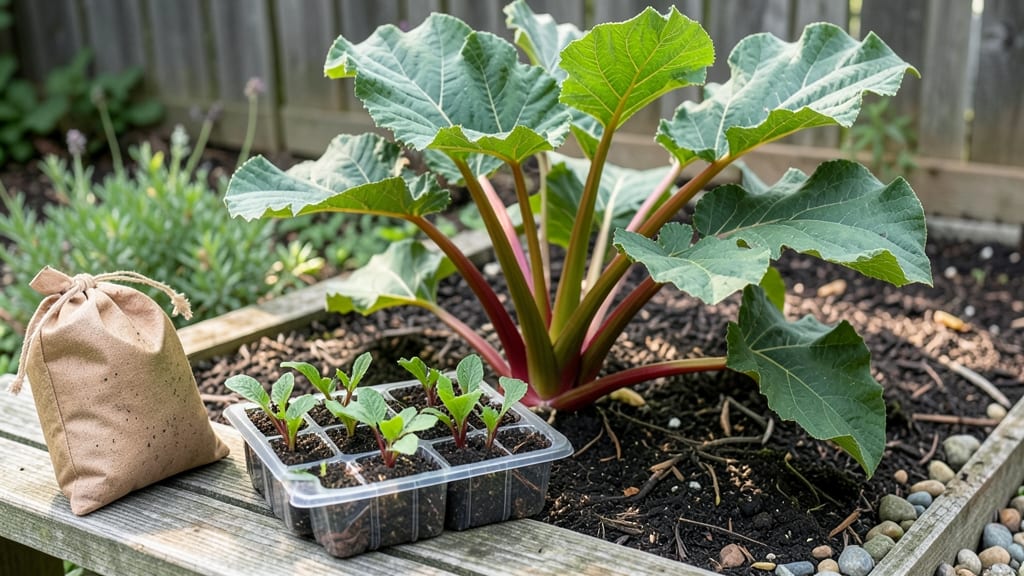
Rhubarb seeds need cold stratification to break dormancy and trigger germination 🌱 — a 6-week chilling period mimics winter conditions and boosts your success rate from near-zero to over 70%.
Struggling with rhubarb seeds that refuse to sprout? Cold stratification—the secret to breaking dormancy—could be the missing link between your seeds and a thriving garden bed. Without it, those tiny seeds sit stubbornly in the soil, waiting for conditions they’ll never find in a warm greenhouse or windowsill.
Here’s the science: rhubarb seeds evolved to survive harsh winters, so they won’t germinate until they’ve experienced cold. Think of it like waking up after a long nap—your seeds need that chill to stretch and wake up.
Skipping this step often leads to frustrating failures, especially for beginners who expect seeds to behave like store-bought transplants.
In this guide, I’ll walk you through the exact 6-week process, including how to control moisture, monitor temperatures, and troubleshoot common pitfalls. You’ll also discover when to bypass cold stratification (and why most gardeners actually don’t use seeds at all). Let’s get those rhubarb seeds sprouting!
Why rhubarb seeds require cold stratification for germination success
If you've ever planted rhubarb seeds only to watch them sit stubbornly in the soil without sprouting, you're not alone. The issue often lies in seed dormancy, a natural survival mechanism that prevents seeds from germinating until conditions are ideal.
For rhubarb (Rheum rhabarbarum), this means mimicking the winter chill period they'd experience in nature before spring growth begins.
Cold stratification is the process of exposing seeds to consistent cold temperatures (typically between 34-40°F) for an extended period, usually 4-6 weeks. This breaks down internal seed inhibitors, softens the seed coat, and signals the seed that winter has passed.
Without this step, germination rates for rhubarb seeds can drop as low as 10-20%, compared to 70-90% with proper stratification.
Here’s why this process is critical: Rhubarb seeds originate from temperate climates where they evolved to survive harsh winters. Their dormancy period ensures they don’t germinate prematurely in fall, only to be killed by frost.
By replicating these natural winter conditions, you’re essentially tricking the seed into thinking it’s spring, prompting it to break dormancy and begin the germination process.
Skipping cold stratification isn’t just about waiting longer for sprouts—it’s about poor root development and weak seedlings. Seeds that germinate without stratification often produce thin, leggy plants with shallow roots, making them more susceptible to disease and environmental stress.
In contrast, properly stratified seeds develop stronger root systems and hardier stems, setting the stage for a productive rhubarb plant.
The science behind this lies in abscisic acid and gibberellins, two plant hormones. During stratification, abscisic acid levels drop while gibberellins increase, triggering the seed to mobilize stored nutrients and activate enzymes needed for growth.
Without this hormonal shift, the seed remains in a state of suspended animation, unable to proceed to germination.
Another key factor is the seed coat itself. Rhubarb seeds have a hard, impermeable outer layer that prevents water and oxygen from penetrating easily. Cold stratification softens this coat through a process called scarification, allowing moisture to enter and kickstart metabolic activity.
This is why even soaking seeds in warm water for 24 hours (a common alternative) often fails to achieve the same results as cold treatment.
For gardeners in USDA Zones 3-7, where rhubarb thrives, cold stratification aligns perfectly with the natural climate. Seeds collected in late summer or fall can be stratified in a refrigerator or outdoor cold frame starting in October or November, mimicking the winter chill they’d experience in the ground.
This timing ensures they’re ready to plant in early spring, just as the soil begins to warm.
Research from the University of Minnesota Extension highlights that rhubarb seeds stratified at 36°F for 6 weeks achieved a 78% germination rate, while unstratified seeds only reached 12%.
These numbers underscore why stratification isn’t optional—it’s a critical step for success, especially for beginners who may be tempted to bypass it for convenience.
Even if you’re more accustomed to growing rhubarb from crown divisions (the more common and reliable method), understanding the role of cold stratification deepens your grasp of plant biology.
Whether you’re experimenting with seeds or simply curious about how plants adapt to their environments, this process offers a fascinating glimpse into the survival strategies of perennial vegetables.
In the next section, I’ll walk you through the exact 6-week process for cold stratifying rhubarb seeds, including temperature control, moisture management, and troubleshooting tips to avoid common pitfalls like mold or rotting. Don’t miss it!
🌱