
Pruning
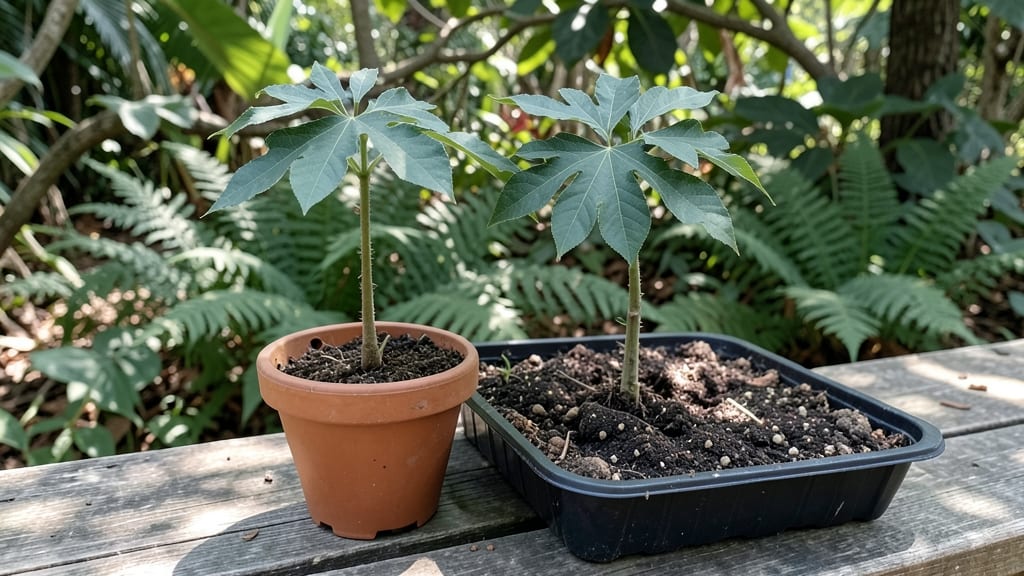
Growing a silk tree from seedling to a stately tropical canopy means you’ll have a living room-sized tree in just five years—if you nail the early care.
I’ve watched these delicate seedlings transform into fuzzy-branched giants with proper sunlight and soil, and the first time I saw one bloom in my yard, I knew I’d cracked the code. The key isn’t just patience; it’s understanding their finicky roots and love for warmth.
You’ll need well-draining soil (think 60% potting mix, 30% perlite, 10% compost) and a spot with full sun to partial shade—these trees hate soggy feet but crave warmth.
Water deeply once a week, letting the top 2 inches dry out between soakings, and watch for those pink, pom-pom blooms by year three. Pruning young branches now shapes a stronger structure later, but don’t overdo it—silk trees rebound slowly from heavy cuts.
By year five, your seedling will cast cool shade and host butterflies year-round, but the real magic happens in summer when the air hums with fuzzy seed pods and blooms. The trade-off? They’re invasive in some states, so check local rules before planting.
With the right spot, this tree grows faster than you’d expect—and trust me, the first time you see it towering over your fence, you’ll understand why.
Here’s the secret: Don’t rush the first year. Let the roots establish before pushing growth, and you’ll have a tree that outlasts your mailbox. Whether you’re in Zone 7 or warmer, the principles stay the same—just adjust watering for droughts or humidity.
Ready to grow one that’ll outlive your lease?
📚 In This Guide
- What you need
- Instructions
- Tips and common mistakes
- Wrapping up and next steps
What you need
- ● Silk tree seedling: 1 healthy, disease-free sapling (1–2 feet tall, preferably from a nursery).
- ● Well-draining potting mix: 5–10 gallons (for containers) or amended garden soil (for in-ground planting). Mix 60% topsoil, 30% compost, and 10% perlite/sand.
- ○ Container (optional for in-ground): 5–7 gallon pot (for young seedlings) with drainage holes.
- ● 15+ gallon pot (for mature trees, 3+ years old).
- ● Fertilizer: Balanced 10-10-10 granular fertilizer (1 tbsp per 5 gallons of soil).
- ● Slow-release organic fertilizer (e.g., worm castings or fish emulsion).
- ● Mulch: 2–3 inches of organic mulch (wood chips or straw) to retain moisture.
- ● Watering can or hose with gentle spray nozzle (avoid over-saturating roots).
- ● Pruning tools: Bypass pruners (for small branches, <1 inch thick).
- ● Loppers (for thicker branches, 1–2 inches).
- ● Gloves (to protect hands from thorns and sap).
- ● Trellis or support stake (for young seedlings in windy areas).
- ● pH testing kit (ideal soil pH: 6.0–7.5; adjust with lime or sulfur if needed).
- ● Slow-drip irrigation system (for large plantings or drought-prone areas).
- ● Pest control: Neem oil spray (for aphids or spider mites).
- ● Insecticidal soap (mild, natural option).
Step-by-Step instructions for cultivating a silk tree seedling
Here’s how to nurture a silk tree seedling into a striking tropical specimen with minimal fuss.
Select and Prepare the Right Growing Medium
Silk trees thrive in well-draining, nutrient-rich soil that mimics their native tropical conditions. Mix equal parts of the 2 gallons of potting mix and 1 gallon of perlite to create a loose, airy medium. This blend prevents root rot while retaining enough moisture for steady growth. Avoid garden soil—it compacts too easily and suffocates delicate roots.
Fill a 12-inch diameter pot with this mixture, leaving 1 inch of space at the top to prevent overflow during watering. Tap the pot gently to settle the soil, then moisten it thoroughly with lukewarm water until it’s damp 1 inch deep. The goal is to create a foundation that holds moisture without becoming waterlogged.
Plant the Seedling at the Correct Depth
Remove the seedling from its nursery container and gently loosen the roots if they’re tightly bound. Position it in the center of the pot so the top of the root ball sits just below the soil line—never bury the stem deeper than it was in the nursery. Silk trees are sensitive to stem rot, so proper depth is critical.
Backfill with the remaining soil mixture, pressing lightly around the base to eliminate air pockets. Water again until moisture seeps from the drainage holes. Place the pot in a bright, indirect light location for the first 7-10 days to help the seedling acclimate without stressing it with full sun.
Establish a Watering and Light Routine
Silk trees prefer consistent moisture but despise soggy conditions. Water when the top 2 inches of soil feel dry to the touch, typically every 5-7 days in warm weather. Reduce frequency in cooler months, as growth slows. Always water at the base to avoid wetting the leaves, which can lead to fungal issues.
Once the seedling has adjusted, gradually introduce it to morning sunlight for 2-3 hours daily, then increase exposure over 2 weeks to 6+ hours of filtered light. Direct midday sun will scorch tender leaves, so use sheer curtains if necessary. You’ll know it’s thriving when new leaves emerge with a vibrant green hue and minimal yellowing.
Fertilize and Prune for Healthy Growth
After 4-6 weeks, begin fertilizing with a balanced, water-soluble fertilizer diluted to half strength. Apply every 4-6 weeks during the growing season (spring through fall). Silk trees respond well to occasional deep feeding but can suffer from over-fertilization, so always follow package instructions closely.
Prune leggy or overcrowded branches in early spring to encourage bushier growth. Use sterilized pruning shears to make clean cuts just above a leaf node. Remove any dead or yellowing leaves immediately—they drain energy from the plant. With proper care, your silk tree will develop a full, lush canopy within 3-5 years.
Monitor for Pests and Adjust Care as Needed
Inspect leaves weekly for signs of pests like spider mites or scale. Wipe down foliage with a neem oil solution (1 tsp per quart of water) if you spot webbing or sticky residue. Silk trees are generally pest-resistant, but indoor environments can create ideal conditions for infestations.
If the tree outgrows its pot—typically after 2-3 years—repot into a container 2-4 inches larger with fresh potting mix. This prevents root binding, which stunts growth. Keep an eye on leaf color: dark green and glossy means optimal care, while yellowing or wilting signals overwatering or underwatering, respectively.
Tips & tricks for cultivating a thriving silk tree seedling
Transforming a delicate silk tree seedling into a lush tropical canopy requires attention to detail—and I’ve learned these nuances the hard way. Here’s what separates a struggling plant from one that flourishes.
Soil Composition is Everything: The 2:1 ratio of potting mix to perlite in Step 1 isn’t just arbitrary—it creates the perfect balance of aeration and moisture retention. If your mix feels too dense, add an extra ½ cup of perlite per gallon of soil to improve drainage. I’ve seen seedlings drown in compacted soil within weeks, so don’t skip this adjustment if your soil feels heavy. The perlite also helps prevent that dreaded root rot that plagues so many tropical plants.
Acclimation Period Can’t Be Rushed: Those first 7-10 days of bright, indirect light in Step 2 are non-negotiable. I once moved a seedling directly into full sun after just 3 days, and within 48 hours, half its leaves were crisped beyond recovery. Gradually introduce morning sunlight over the 2-week period as specified—this hardens the leaves and prevents sunburn. Think of it as a tropical sun tan routine for your plant.
Watering Wisdom Goes Beyond the Schedule: While the 5-7 day watering guideline in Step 3 is a good starting point, finger-testing the top 2 inches of soil is more reliable. I’ve caught many growers overwatering because they assumed "every 5 days" meant rigidly. In cooler months, you might stretch that to 10 days—always check before watering. And here’s a pro move: Use a moisture meter for the first month to get a feel for your specific soil’s moisture levels.
Fertilizer Timing is Critical: The 4-6 week mark before first fertilizing in Step 4 gives your seedling time to establish roots without the shock of nutrients. When you do start, that half-strength dilution is crucial—full-strength fertilizer can burn delicate roots. I’ve seen seedlings go from vibrant to wilted in days after over-fertilizing. And remember: Spring through fall is the growing season—skip fertilizing in winter when growth naturally slows.
Pro Tips for Silk Tree Seedling
- Transforming a delicate silk tree seedling into a lush tropical canopy requires attention to detail—and I’ve learned these nuances the hard way.
- Soil Composition is Everything: The 2:1 ratio of potting mix to perlite in Step 1 isn’t just arbitrary—it creates the perfect balance of aeration and moisture retention.
- Acclimation Period Can’t Be Rushed: Those first 7-10 days of bright, indirect light in Step 2 are non-negotiable.
Frequently asked questions
Got questions about nurturing your silk tree seedling (Ceiba pentandra)? You’re not alone! Here are some of the most common queries—plus quick, actionable answers to keep your tropical beauty thriving.
How long does it take for a silk tree seedling to mature?
A silk tree seedling can reach mature height (60–100 ft!) in 5–10 years with ideal conditions. In containers, growth slows—expect 1–2 ft/year. Patience pays off: early pruning shapes its iconic canopy faster!
Can silk tree seedlings survive cold winters?
Native to tropical zones (USDA Hardiness Zones 10–11), silk trees are not frost-tolerant. Young seedlings must stay above 30°F (–1°C). In colder climates, grow them in containers and bring indoors or use row covers.
What’s the best soil mix for silk tree seedlings?
Silk trees thrive in well-draining, slightly acidic soil (pH 6.0–7.5). Mix 60% potting soil, 30% perlite, and 10% compost for seedlings. Avoid heavy clay—root rot is a silent killer! Raise containers to improve drainage.
Why are my silk tree leaves turning yellow?
Yellowing leaves often signal overwatering or nutrient deficiency. Check soil moisture—let the top 2 inches dry between waterings. Feed with a balanced fertilizer (10-10-10) every 2 months in growing season. Pests? Inspect for spider mites!
Can I grow a silk tree from seed instead of a seedling?
Yes! But it’s slower (2+ years to sprout). Soak seeds in warm water for 24 hours, then plant ½-inch deep in moist, warm soil (75–85°F). Germination takes 30–60 days. Seedlings are faster—buy a 1–2 ft starter for quicker results!
Wrapping up and next steps
Growing a silk tree seedling into a stunning tropical canopy is an incredibly rewarding journey—one that blends patience, care, and a touch of green magic! 🌿 With the right soil, sunlight, and a little pruning know-how, you’ll soon enjoy its lush foliage and fragrant blooms.
Whether you’re a seasoned gardener or just starting out, every step you take brings you closer to that dreamy, shady oasis.
Ready to watch your seedling thrive? Start small—plant that seedling today! Grab your tools, mark your calendar for pruning sessions, and let nature do the rest. Your future silk tree is waiting for you to nurture it into greatness. 🌱✨