
Lawn
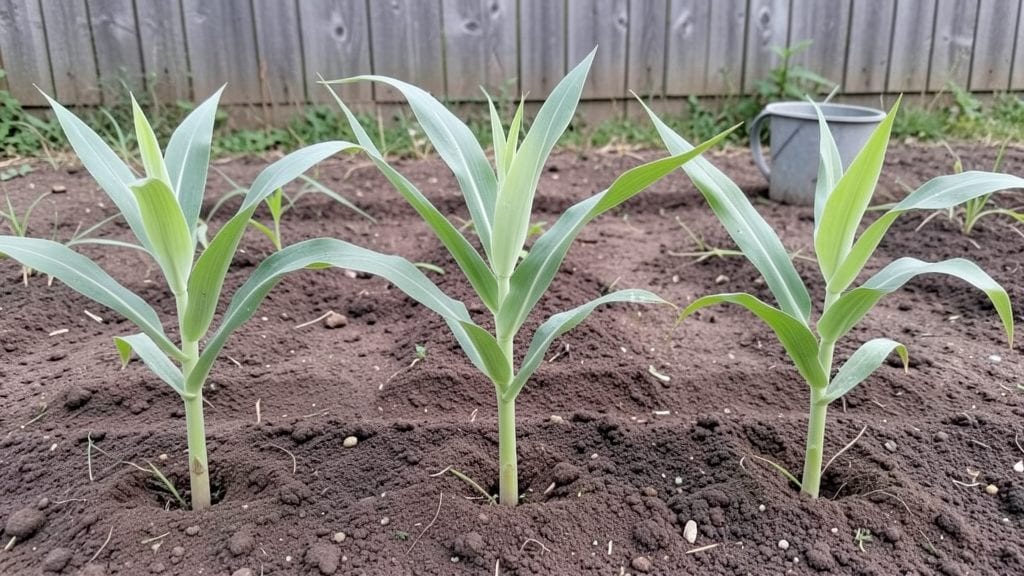
Soaking corn seed before planting cuts germination time nearly in half—my first attempt went from spotty 10-day sprouts to uniform 4-day stands. The trick lies in breaking dormancy with warm water, not just hydration, and timing matters more than most gardeners realize.
You’ll need a clean container, lukewarm water (around 80°F), and a breathable cloth or paper towels to wrap the seeds. Most varieties benefit from 12-24 hours of soaking, but sweet corn often needs just 6-8 hours to avoid over-softening.
The goal is to plump the seed without cooking it—think of it as waking up a sleeping plant.
After soaking, drain immediately and plant within 24 hours to prevent mold. You’ll notice faster emergence and stronger seedlings, especially in cooler soils. This method works for field corn, popcorn, and sweet corn alike, though dwarf varieties may need shorter soaks.
Common mistakes include using cold water (slows germination) or leaving seeds soaking too long (they’ll rot). For best results, test a few seeds first to gauge your local soil conditions. Ready to try it?
📚 In This Guide
- What you need
- Instructions
- Tips and common mistakes
- Wrapping up and next steps
What you need
- ● Corn seeds: Fresh, high-quality seeds (check the packet for germination rate—aim for 85%+). Quantity depends on your project (e.g., 1 lb for small gardens, 5+ lbs for larger plots).
- ● Water: Room-temperature or lukewarm water (avoid hot or cold extremes). Use filtered or distilled water if your tap water has high chlorine/salinity.
- ● Containers: Large bowl or bucket (for soaking batches; 5–10 gallons capacity recommended).
- ○ Optional: Mesh bags or cheesecloth (to keep seeds contained while soaking).
- ● Timer or clock: To track soaking duration (most corn seeds need 12–24 hours).
- ● Drainage setup: Colander or strainer (for rinsing seeds post-soak).
- ○ Optional: Paper towels or damp cloth (to blot excess water after draining).
- ● Planting medium: Seed-starting mix, compost, or well-draining soil (for post-soak planting).
- ○ Optional enhancers: Hydrogen peroxide (1 tsp per gallon of water; boosts oxygenation).
- ● Apple cider vinegar (1 tbsp per gallon; may improve microbial activity).
- ● Seed germination accelerator (follow product instructions).
- ● ✅ Seed viability test: Float a handful of seeds in water—sinkers are viable; floaters may be old/dormant.
- ● ✅ Space prep: Ensure your planting area has full sun (6+ hours/day) and warm soil (ideal temp: 60–90°F).
- ● 💡 Pro tip: Label your seeds if testing multiple varieties—corn types (sweet, field, pop) have different soaking needs!
- ● 🌡️ Climate note: In cooler regions, soak seeds longer (up to 48 hours) or use a seedling heat mat.
Step-by-Step instructions for soaking corn seeds
Here’s the method I’ve used for years to ensure corn seeds sprout reliably and quickly—no guesswork involved.
Select the Right Corn Seeds and Prepare the Soaking Container
Start with fresh, high-quality corn seeds—older seeds germinate poorly, no matter how you soak them. Place the seeds in a clean glass jar or bowl large enough to hold them without crowding. I like to use a quart-sized mason jar because it’s easy to monitor the seeds and control the soaking environment.
Add enough lukewarm water to fully submerge the seeds by about 1 inch. The water should be warm but not hot—around 80°F—to encourage faster germination without damaging the seeds. Avoid using cold water, as it slows the soaking process and can lead to uneven sprouting.
Soak the Seeds for the Optimal Duration
Cover the container loosely with a lid or plastic wrap, leaving a small gap for air circulation. This prevents mold growth while still allowing the seeds to absorb moisture. Let the seeds soak for 12 to 24 hours, depending on their size and freshness. Larger seeds may need the full 24 hours, while smaller or fresher seeds can be ready in 12 hours. Check them periodically—once the seeds begin to plump up and small white roots appear, they’re ready for planting.
Here’s the thing—don’t skip the soaking time. Corn seeds have a tough outer coating that slows water absorption. A proper soak softens this coating, ensuring faster and more uniform germination. If you’re impatient, you might be tempted to rush this step, but trust me, the extra time pays off.
Plant the Soaked Seeds at the Correct Depth
Once the seeds are fully soaked and show signs of sprouting, drain the water and let them sit for 10 to 15 minutes to dry slightly. This prevents them from rotting in the soil. Plant the seeds 1 to 1.5 inches deep in warm, well-drained soil. Corn needs a consistent soil temperature of at least 60°F to germinate properly—colder soil will slow or even halt the process.
Space the seeds 12 to 18 inches apart in rows that are 3 feet apart to give the plants room to grow. If you’re planting in containers, ensure each seed has its own 5-gallon pot or larger, as corn roots grow deep and wide. Water the soil gently after planting to settle it around the seeds without displacing them.
Maintain Moisture and Warmth for Germination
Keep the soil consistently moist but not soggy—corn seeds need steady moisture to germinate, but standing water will cause them to rot. Use a spray bottle or a gentle watering can to add water as needed, ensuring the top 1 inch of soil stays damp. If you’re planting outdoors, cover the area with a clear plastic sheet to trap warmth and speed up germination. Remove the cover once the seeds sprout.
Germination typically takes 7 to 14 days, depending on soil temperature and moisture. You’ll know it’s working when the first green shoots break through the soil. If the soil stays too dry or too cold, germination slows down—watch for these signs and adjust as needed. Once the seedlings are 3 to 4 inches tall, thin them to the strongest plant per spot to avoid competition.
Tips & tricks for perfect corn seed soaking
Speed up germination without sacrificing quality—these precision tips will help you achieve reliable, fast results every time.
The Water Temperature Factor: That 80°F water temperature in Step 1 isn't arbitrary—it's the sweet spot for breaking dormancy without shocking the seeds. Use a kitchen thermometer to verify if your tap water runs cooler, especially in winter. If your water is too cold (below 70°F), warm it gently on the stove or in the microwave until it reaches the ideal temperature. Remember, cold water slows enzymatic activity, which is exactly what you don't want when aiming for fast germination.
Soaking Duration Strategy: The 12-24 hour range in Step 2 works because corn seeds have a tough seed coat that needs time to soften. For maximum speed with larger seeds, stick with the full 24 hours—this is when the seed coat becomes most permeable. With smaller seeds, you'll often see the white root hairs appear within 12 hours, signaling they're ready for planting. Pro tip: Check your seeds every 6 hours starting at the 12-hour mark to catch that perfect moment of readiness without over-soaking.
Post-Soak Drying Technique: That 10-15 minute drying period in Step 3 is crucial for preventing rot while maintaining moisture for germination. After draining, spread seeds on a clean paper towel in a single layer. Place them in a warm spot (around 70°F) to speed up the drying process. This warm environment helps maintain the metabolic activity you've just initiated through soaking, keeping the seeds primed for rapid germination once planted.
Germination Acceleration: To push those 7-14 days down to the faster end of the spectrum, combine the soil warming technique from Step 4 with a humidity dome. After planting, create a mini greenhouse effect by covering the planting area with clear plastic wrap or a humidity tent. This maintains consistent moisture levels while trapping heat—both critical factors for fast germination. Remove the cover as soon as you see the first green shoots emerge to prevent mold growth.
Pro Tips for Soak Corn Seed
- Speed up germination without sacrificing quality—these precision tips will help you achieve reliable, fast results every time.
- The Water Temperature Factor: That 80°F water temperature in Step 1 isn't arbitrary—it's the sweet spot for breaking dormancy without shocking the seeds.
- Soaking Duration Strategy: The 12-24 hour range in Step 2 works because corn seeds have a tough seed coat that needs time to soften.
Frequently asked questions
Got questions about soaking corn seeds for faster germination? You’re not alone!
Here are some of the most common queries—plus quick, actionable answers to help you get those sprouts off to a flying start.
Why should I soak corn seeds before planting?
Soaking corn seeds softens the hard outer shell, boosts water absorption, and kickstarts the germination process—often cutting sprouting time in half. This is especially helpful for larger seeds like corn, which can take longer to break dormancy. Think of it as giving your seeds a head start!
How long should I soak corn seeds?
For most corn varieties, 8–12 hours in room-temperature water is ideal. Avoid soaking longer than 24 hours, or the seeds may over-absorb water and risk mold or rot. Pro tip: Use a breathable container (like a jar with a cloth cover) to keep oxygen flowing.
Do I need to use special water for soaking?
Nope! Plain tap water works fine, but if your water is heavily chlorinated, let it sit out for 24 hours first. For extra safety, you can rinse the seeds after soaking to remove any residue. Avoid using saltwater or chemical-treated water—stick to clean, fresh H2O.
What if my corn seeds don’t sprout after soaking?
Don’t panic! A few seeds might not germinate, but if most aren’t sprouting, check these:
- Seed viability: Test a few seeds in warm water—if they float, they’re likely bad.
- Temperature: Corn loves warmth (70–85°F). Use a seedling heat mat if needed.
- Moisture: Keep the growing medium damp (not soggy) after planting.
Can I reuse the soaking water for other seeds?
Technically yes, but it’s not ideal. Soaking water can harbor bacteria or fungi from the seeds themselves. If you reuse it, sterilize it first by boiling for 5 minutes or adding a few drops of hydrogen peroxide (3%). For best results, use fresh water each time.
Wrapping up and next steps
Soaking corn seeds is a game-changer for faster, more reliable germination—whether you're growing sweet corn for your garden or reviving heirloom varieties. By following these speed-sprouting tricks, you’ll unlock healthier starts and stronger plants in just days! 🌱
Ready to take the next step? Grab your seeds, a bowl, and a little patience—your future harvest is just a soak away. Start small, experiment, and watch your corn thrive!