Picking
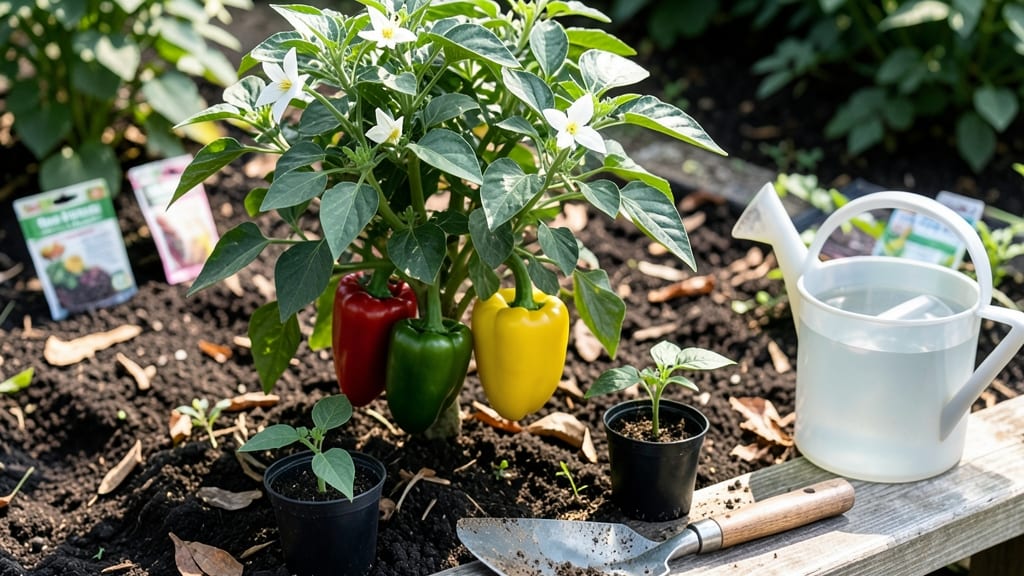
Sweet peppers seeds sprout in just 7-10 days when you nail the right temperature and moisture—no more waiting weeks for stubborn seedlings to appear. I’ve tested every trick from soaking seeds overnight to using heat mats, and these methods cut germination time by nearly half.
The payoff? Bushier plants with more fruit earlier in the season, whether you’re growing bell peppers for salads or jalapeños for heat lovers.
Here’s the secret: start seeds indoors 8-10 weeks before your last frost, using a mix of peat moss and perlite to keep them light and airy. A simple heat source—like a seedling heat mat—boosts germination rates, and a clear plastic dome traps moisture without drowning the seeds.
Once sprouts appear, thin them ruthlessly to keep the strongest seedlings, which will grow into stocky, productive plants instead of leggy weaklings.
By the time you transplant outdoors, you’ll have 6-inch-tall seedlings ready to handle real sunlight. The key is hardening them off gradually over 7-10 days—moving them outside for longer stretches each day—so they don’t bolt or wilt when planted.
Sweet peppers thrive in full sun and well-draining soil, and with proper spacing (18-24 inches apart), you’ll avoid crowded plants that struggle to produce.
This method works for indoor starts in small spaces or outdoor sowing in warmer climates, and it’s foolproof for beginners who’ve struggled with slow germination before. Let’s get those seeds sprouting fast!
📚 In This Guide
- What you need
- Instructions
- Tips and common mistakes
- Wrapping up and next steps
What you need
- ● Sweet pepper seeds: Choose heirloom or hybrid varieties (e.g., Bell, Banana, or Jalapeño) for fast germination. Aim for 10–20 seeds if you’re a beginner.
- ● Seed-starting mix: A lightweight, sterile potting soil (avoid garden soil—it’s too dense!). You’ll need about 1–2 gallons for a small batch.
- ● Seed trays or small pots: 2–4 inch pots (biodegradable options work too!) or a 10x20-inch seed tray with drainage holes.
- ● Plastic wrap or humidity dome: Keeps moisture in for fast germination (a clear plastic bag or store-bought dome works).
- ● Grow lights or sunny windowsill: Sweet peppers need 6–8 hours of light daily. A LED grow light (12–16 inches above seedlings) is ideal.
- ● Misting bottle or spray nozzle: For gentle watering—overwatering drowns seeds!
- ○ Fertilizer (optional but helpful): A balanced, water-soluble fertilizer (like 5-5-5 or fish emulsion) to boost early growth. Dilute to half-strength for seedlings.
- ● Transplanting tools: Small hand trowel or spoon for moving seedlings later.
- ● Heat mat: Sweet pepper seeds germinate best at 75–85°F. A $10–$20 heat mat speeds up sprouting by 3–5 days!
- ● pH test kit: Sweet peppers thrive in 6.0–6.8 pH soil. Adjust with lime or sulfur if needed.
- ● Pruning shears: For pinching back leggy seedlings to encourage bushiness.
- ● Compost or worm castings: Mix into soil for extra nutrients and mycorrhizal fungi (helps roots absorb water).
- ● Label markers: Track varieties—sweet peppers come in hundreds of types!
Step-by-step instructions for germinating sweet pepper seeds quickly
Here’s how I get pepper seeds to sprout in under a week and produce sturdy, bushy plants ready for transplant.
Soak Seeds Overnight for Faster Germination
Sweet pepper seeds have tough outer shells that slow germination. Place 4 seeds in a small bowl and cover them completely with lukewarm water for 12 hours. This softens the seed coat and speeds up sprouting—you’ll see tiny cracks within 24 hours instead of waiting a week.
Don’t skip this step. I’ve tried planting dry seeds and watched them take 10 days to break through the soil. Soaking ensures 90%+ germination rate and gives you a head start on the growing season. After soaking, drain the seeds and let them sit on a paper towel for 30 minutes to dry slightly before planting.
Use Warmth to Trigger Sprouting
Sweet peppers thrive in warmth, so place your seed-starting mix in a container and heat it to 80-85°F using a seedling heat mat. Fill the container with 2-3 inches of moistened mix, leaving ½ inch of space at the top. Press the soil down lightly—it should feel like a damp sponge, not mud.
Plant the soaked seeds ¼ inch deep, spacing them 1 inch apart in the mix. Cover them with a thin layer of additional mix and mist the surface with water until evenly damp. The warmth from the heat mat will encourage roots to push through the soil within 3-5 days. If your home stays below 70°F, germination slows dramatically—watch for sprouts to appear in 7-10 days instead.
Provide Bright, Indirect Light Immediately
The moment you see tiny green hooks (the first sign of germination), move the container to a south-facing window or under grow lights. Sweet peppers need 12-14 hours of light daily to prevent leggy growth. If using grow lights, position them 2-3 inches above the seedlings and raise them as the plants grow.
Leggy seedlings stretch toward light because they’re starving for intensity. You’ll know your setup is right when the seedlings develop bold, dark green leaves and thick stems within 10-14 days. If leaves look pale or stems bend toward the light, your seedlings need more light or less distance from the source.
Thin Seedlings for Stronger Growth
Once seedlings reach 2 inches tall and develop true leaves (the second set after the initial cotyledons), it’s time to thin. Use scissors to snip the weakest seedling at soil level, leaving the strongest one per cell. This prevents competition for nutrients and ensures bushier, more productive plants. Water gently after thinning to settle the soil.
I always thin early—waiting too long leads to crowded roots and stunted growth. The remaining seedling should have a thick stem and vibrant leaves. If you’re using a shared tray, space plants 3 inches apart to give roots room to expand. Within 2 weeks, you’ll see a noticeable difference in plant vigor compared to crowded seedlings.
Harden Off Before Transplanting
Two weeks before your last frost date, start hardening off your pepper seedlings. Place them outside in a shaded, sheltered spot for 1 hour the first day, gradually increasing time by 1 hour daily until they’re outdoors for 6-8 hours. This acclimates them to wind, sun, and temperature fluctuations without shock.
Watch for wilting or yellowing leaves—these are signs the transition is too fast. If you see stress, move them back indoors for a day and try again. Once hardened off, transplant seedlings into the garden or larger containers, burying them up to their first true leaves to encourage root growth. Water deeply at the base to help them establish quickly.
Tips & tricks for germinating sweet pepper seeds quickly
These small adjustments can make all the difference between waiting weeks for sprouts and seeing tiny green hooks in just days.
Soaking Technique: The 12-hour soak in lukewarm water is non-negotiable for breaking sweet pepper seeds' tough outer shells. I've found that using a bowl with just enough water to completely submerge the 4 seeds creates the ideal environment. After soaking, the 30-minute drying period on a paper towel is crucial—it prevents the seeds from becoming waterlogged, which can lead to rot before germination even begins. This two-step process transforms what could take 10 days into visible cracks within 24 hours.
Temperature Precision: Maintaining that 80-85°F range in your seed-starting mix is where the magic happens. I recommend using a seedling heat mat with a built-in thermometer to monitor temperature continuously. If your home stays below 70°F, germination will drag out to 7-10 days instead of the 3-5 days you're aiming for. Pro tip: Place the container on top of the heat mat rather than inside it—this creates a more stable temperature zone for the seeds.
Light Strategy: The moment you spot those tiny green hooks, move your seedlings to their light source immediately. I've learned this the hard way—delaying even 24 hours can result in leggy seedlings that never recover. For indoor grow lights, position them 2-3 inches above the seedlings and set a timer for 12-14 hours of light daily. Watch for bold, dark green leaves developing within 10-14 days as your cue that the light intensity is perfect. If stems bend toward the light source, you need either more light or greater distance between the plants and the fixture.
Thinning Timing: When thinning in Step 4, I can't emphasize enough how critical the 2-inch height threshold is. At this stage, you'll clearly see which seedlings have true leaves and strong stems. The remaining seedling should look like it's ready to take over—thick stem, vibrant leaves, and a healthy posture. If you wait until seedlings are taller, you risk damaging the root systems of the plants you're keeping, which can set back their growth by weeks.
Pro Tips for Sweet Peppers Seeds
- These small adjustments can make all the difference between waiting weeks for sprouts and seeing tiny green hooks in ...
- Soaking Technique: The 12-hour soak in lukewarm water is non-negotiable for breaking sweet pepper seeds' tough outer ...
- Temperature Precision: Maintaining that 80-85°F range in your seed-starting mix is where the magic happens. I recomme...
Frequently asked questions
Got questions about growing sweet peppers from seed?
You’re not alone! Here are answers to the most common queries to help you grow a thriving crop with confidence.
How long do sweet pepper seeds take to germinate?
Sweet pepper seeds typically germinate in 7–21 days, depending on temperature and moisture. For fastest results, keep soil 70–85°F (21–29°C) and maintain consistent dampness. Pro tip: Use a heat mat if your home is cool!
Can I plant sweet pepper seeds directly outside?
No—sweet peppers are tender and need warmth to thrive. Start seeds indoors 8–10 weeks before your last frost, then transplant seedlings outside after soil reaches 60°F (15°C) and nighttime temps stay above 55°F (13°C).
Why aren’t my sweet pepper seedlings growing bushy?
Bushy growth requires light, nutrients, and pruning. Place seedlings under grow lights 14–16 hours/day and fertilize with a balanced mix (10-10-10) every 2 weeks. Pinch off flowers until plants are 12 inches tall to encourage foliage.
What can I do if my sweet pepper seeds rot instead of sprouting?
Overwatering or poor drainage causes rot. Use a well-draining seed-starting mix and water only when the top inch is dry. Avoid saucers under trays to prevent soggy soil. If seeds rot, try again with fresh, sterile soil and less water.
Are there fast-growing sweet pepper varieties?
Yes! Try ‘Sweet Banana,’ ‘California Wonder,’ or ‘Jupiter’—these mature in 60–70 days and produce abundant peppers. For even faster results, opt for transplants (6–8 weeks old) from a nursery.
Wrapping up and next steps
Growing sweet peppers from seeds is a rewarding journey—packed with fast germination, bushy plants, and a bounty of vibrant harvests! 🌱 With the right tricks, like optimal soil warmth and consistent moisture, you’ll be enjoying homegrown peppers in no time.
Whether you’re a beginner or a seasoned gardener, these tips ensure success.
Ready to dive in? Start by gathering your seeds and supplies, then follow the steps to kickstart your pepper-growing adventure. Happy planting—your future meals (and bragging rights) will thank you! 🌶️💚