Vegetables
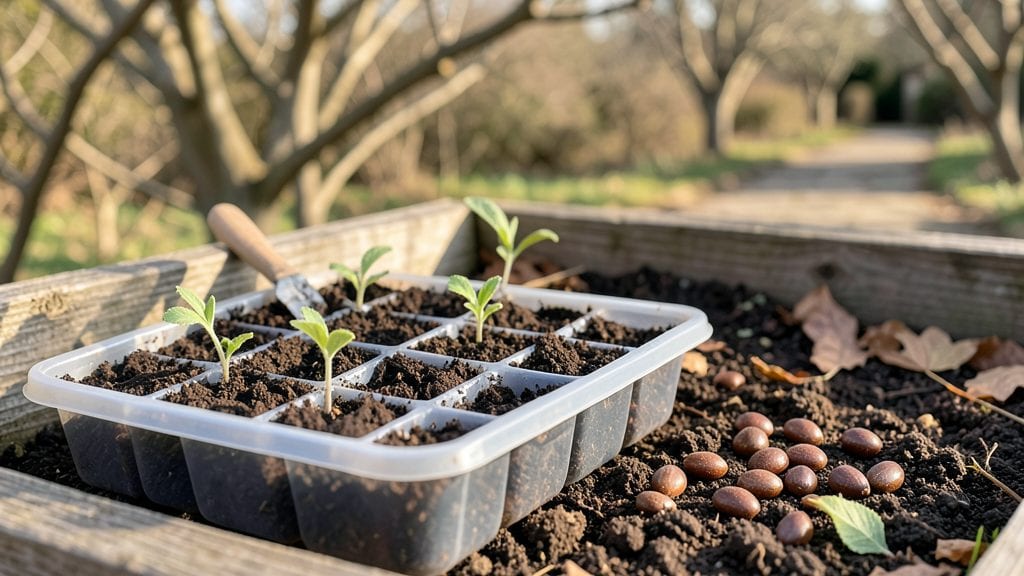
Apple seeds images reveal tiny, oval brown seeds embedded in apple cores, usually numbering between 5-8 per fruit. For successful germination, clean the seeds thoroughly by removing pulp, rinsing, drying, then planting them 1/2-inch deep in consistently moist soil, which typically yields sprouts within 3-6 weeks.
Apple seeds are nature's way of growing new trees, but they require patience and specific conditions to thrive. 🌱 The seeds contain trace amounts of cyanide, which is why you should never eat them raw—proper germination is the safe way to enjoy their potential.
I've found that heirloom varieties often produce more reliable saplings than store-bought apples, thanks to their genetic diversity and stronger viability. The key is maintaining steady moisture without overwatering, as too much dampness can cause rot before sprouting.
Once planted, these seeds need bright indirect light to develop properly, though direct sunlight can scorch young seedlings. Most gardeners start seeds indoors in small pots during early spring, then transplant them outdoors after the last frost.
The process mimics how wild apple trees propagate naturally, though cultivated varieties may take longer to bear fruit when grown from seed compared to grafted trees.
💡 In This Article
- How Apple Seed Germination Works Scientifically
- Step-by-Step Guide to Growing Apple Trees from Seeds
How apple seed germination works scientifically
Apple seeds enter a natural state called dormancy to survive harsh conditions, which is why they won't sprout immediately after planting. This process involves internal chemical signals that prevent germination until environmental conditions are ideal.
The seeds contain abscisic acid, a plant hormone that suppresses growth, while requiring exposure to stratification—a period of cold, moist conditions—to break dormancy. For apple seeds, this typically means 60-90 days at temperatures between 34-41°F, mimicking winter chilling periods in nature.
The seed's outer shell, called the testa, plays a crucial role by controlling water absorption. When properly stratified, the testa softens slightly, allowing moisture to penetrate and trigger metabolic activity inside. This process activates enzymes that break down stored starches into sugars, fueling the seedling's early growth.
Heirloom apple seeds often have higher viability because their genetic diversity has adapted to natural dormancy cycles over generations, while commercial seeds—bred for uniformity—may have reduced dormancy periods due to selective breeding.
Temperature and humidity create a delicate balance for successful germination. Ideal conditions include 65-75°F soil temperatures and 70-80% humidity during the sprouting phase. Too much heat accelerates moisture loss, while excessive cold slows enzyme activity.
The seed's embryo contains a tiny root (radicle) that emerges first, followed by the shoot (plumule) once the seedling has established a stable root system. This two-phase growth explains why consistent moisture is critical—drying out at any stage can kill the delicate sprout.
Light exposure becomes important only after germination begins. While seeds can sprout in darkness, young seedlings need 12-16 hours of indirect light daily to prevent etiolation (weak, leggy growth). The chlorophyll production triggered by light allows the seedling to begin photosynthesis, shifting from stored energy to self-sustaining growth.
This is why gardeners often use grow lights for indoor starts—natural sunlight alone may not provide sufficient intensity for young apple seedlings.
Viability varies dramatically between seed sources. Heirloom apple seeds from organic, non-hybridized trees typically show 70-90% germination rates when properly stratified, while commercial seeds from grocery store apples may yield only 10-30% due to modern breeding practices prioritizing fruit quality over reproductive success.
The key difference lies in genetic stability—heirloom varieties maintain broader genetic adaptability, whereas commercial seeds often come from cross-pollinated parents designed for uniform fruit production rather than seed propagation.
What most people don't realize is that apple seeds contain trace amounts of amygdalin, which breaks down into hydrogen cyanide when chewed—a natural defense mechanism against predators. This is why raw seeds are toxic, but the germination process safely neutralizes these compounds as the seed metabolizes.
The cyanide levels drop dramatically once the seed begins sprouting, making young seedlings non-toxic to wildlife and humans alike. 🌱