Trees
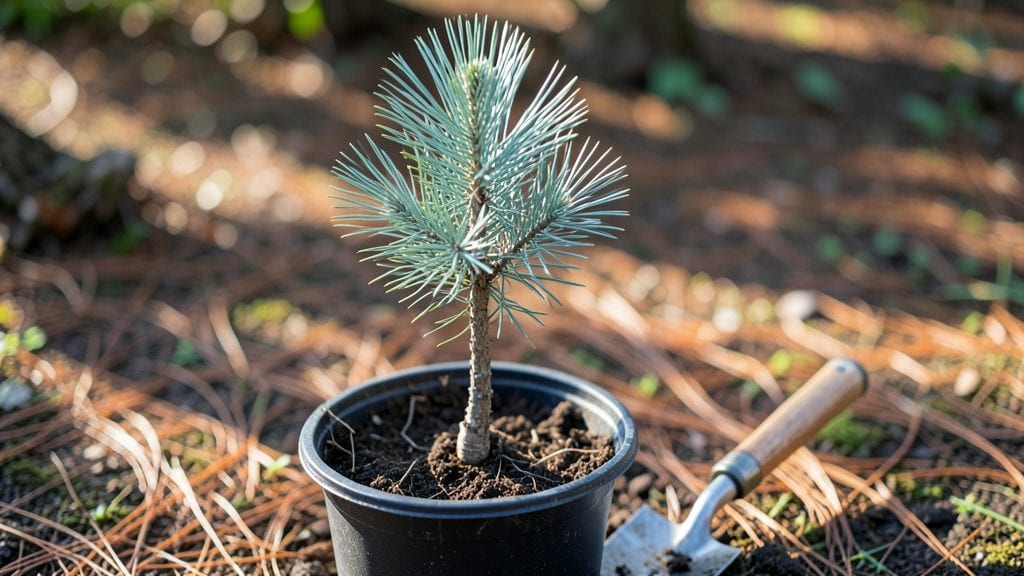
Growing a bald cypress seedling into a towering privacy screen is faster than you’d think—these trees can shoot up 3-4 feet per year once established. 🌿 I planted mine last spring, and by summer’s end, they were already taller than my fence, blocking the neighbor’s view without a single chain link in sight.
The best part? Their roots handle wet soil like a champ, making them perfect for soggy spots where other trees would drown.
You’ll need well-draining soil (even if it’s naturally wet) and a sunny spot with at least 6 hours of light daily. The seedlings themselves are delicate at first, so start with a 5-gallon container to give them a strong foundation before transplanting.
Water deeply once a week after planting—too much can smother them, but too little stunts growth. Mulch around the base to keep moisture steady and weeds at bay.
By year two, you’ll have a lush, feathery screen that thrives in heat, humidity, and even standing water. The needles turn a stunning bronze in fall, and the bark develops that classic shaggy texture that makes them look like they’ve been there for decades.
Just watch for spider mites early on—they love young cypress, but a strong spray of water usually sends them packing.
Works in zones 3-11, from swamps to city sidewalks, and grows 40-60 feet tall at maturity. If you’ve got a bare spot or a noisy street, this is your fast-track solution. Let’s get those seedlings in the ground!
📚 In This Guide
- What you need
- Instructions
- Tips and common mistakes
- Wrapping up and next steps
What you need
- ● Bald cypress seedlings: 3–5 (depending on desired screen height and spacing—aim for 3–6 feet apart for mature trees).
- ● High-quality potting mix: 2–3 bags (look for a well-draining, peat-based mix or a 50/50 blend of garden soil and compost).
- ● Garden gloves: 1 pair (to protect your hands from soil and sap).
- ● Trowel or shovel: 1 (for digging planting holes).
- ● Watering can or hose with a gentle spray nozzle: 1 (for deep, even watering).
- ● Mulch (pine straw or wood chips): 1–2 bags (to retain moisture and suppress weeds).
- ○ Stakes and twine (optional): 3–5 stakes (if seedlings need temporary support in windy areas).
- ● Sunlight: A location with full sun to partial shade (6+ hours of sunlight daily for best growth).
- ● Soil type: Bald cypress thrives in wet, acidic, or well-drained soil (adaptable but prefers moisture).
- ● Space: Minimum 6–10 feet of width per seedling (account for mature spread).
- ● Water source: Access to water for the first 2–3 weeks (critical for root establishment).
- ● Test your soil’s pH—bald cypress prefers acidic to neutral (5.0–7.0). Adjust with sulfur if needed. 🌡️
- ● If planting in clay soil, amend with sand or organic matter to improve drainage. ✨
- ● Choose a sheltered spot if your area gets strong winds (young seedlings are delicate!). 🌪️
Step-by-step instructions for planting bald cypress seedlings
Here's how to get your privacy screen growing strong in just a few simple steps.
🌱 Step 1: Choose the Right Planting Location
Bald cypress thrives in full sun to partial shade—pick a spot with at least 6 hours of sunlight daily. These trees handle wet soil beautifully, so low-lying areas or near ponds are perfect. Avoid spots where water pools after rain, as roots need some drainage.
Measure your space—each seedling needs 12-15 feet of width at maturity. For a 4-plant screen, space them 10-12 feet apart in a straight line. Sketch a quick layout to visualize the final privacy barrier before digging.
🪴 Step 2: Prepare the Soil and Dig Holes
Cypress seedlings prefer slightly acidic to neutral soil (pH 5.0-7.0). If your soil is heavy clay, mix in 2-3 inches of compost into the top 12 inches of soil. The roots will thank you for the extra organic matter.
Dig holes twice as wide as the root ball but only as deep as the container. Gently remove the seedling from its pot and loosen any circling roots with your fingers. Place it in the hole so the top of the root ball sits 1 inch above ground level—this prevents rot when soil settles.
💧 Step 3: Plant and Water Deeply
Backfill the hole with native soil, pressing lightly around the edges to remove air pockets. Water immediately with 5 gallons of water per seedling to settle the soil and encourage root spread. You’ll see the soil sink slightly—this is normal.
Mulch the base with 2-3 inches of wood chips, keeping mulch 6 inches away from the trunk to prevent rot. Water again after mulching to help it settle. Bald cypress seedlings establish quickly, but consistent moisture in the first 30 days prevents transplant shock.
☀️ Step 4: Provide Care for Fast Growth
Water once weekly during the first growing season, aiming for 1-2 inches of water per week. These trees tolerate drought once established, but young seedlings need steady moisture. You’ll know they’re happy when new bright green needles appear within 4-6 weeks.
Fertilize lightly in spring and fall with a balanced 10-10-10 formula—just ½ cup per tree spread over the root zone. Avoid heavy nitrogen, which encourages leafy growth over root development. Prune only to remove dead branches in late winter.
⏰ Step 5: Monitor for Full Privacy in 3-5 Years
Bald cypress grows 2-3 feet per year under ideal conditions. In 3 years, you’ll see a 15-foot-tall screen, and by 5 years, it’ll block most views. Watch for yellowing needles—this signals overwatering or poor drainage. Adjust care based on your climate.
Once established, these trees need minimal care. Their adaptable roots handle both wet and dry soil, making them one of the most low-maintenance privacy solutions available. Enjoy your fast-growing, drought-tolerant screen!
Tips & tricks for perfect bald cypress seedling planting
These simple tricks will help your fast-growing privacy screen thrive from day one—no green thumb required!
Location is Everything: I always check for that 6 hours of sunlight by observing the spot throughout the day. Morning sun is ideal for seedlings—it’s gentler than harsh afternoon rays. If your yard has afternoon shade, that’s perfect too. Just avoid spots where water pools after rain; cypress roots need some drainage but love moisture.
Soil Prep Secret: For heavy clay soil, I mix in 2-3 inches of compost into the top 12 inches—this improves drainage while keeping moisture. A quick soil test (available at garden centers) confirms that slightly acidic to neutral pH (5.0-7.0). If your soil is sandy, add a bit of peat moss to help retain moisture during those first critical 30 days.
Planting Depth Matters: The top of the root ball should sit 1 inch above ground level—this prevents rot when soil settles after watering. I use a level to check depth before backfilling. For a visual cue, imagine the root ball sitting like a small hill—just high enough to peek above the surrounding soil.
Watering Wisdom: Those first 5 gallons per seedling are crucial! I use a hose with a gentle spray nozzle to avoid disturbing the soil. After mulching, I water again to help the wood chips settle. A moisture meter (around $10) helps verify soil moisture—aim for damp, not soggy. Cypress seedlings establish quickly when given consistent moisture.
Pro Tips for Bald Cypress Seedling
- These simple tricks will help your fast-growing privacy screen thrive from day one—no green thumb required!
- Location is Everything: I always check for that 6 hours of sunlight by observing the spot throughout the day.
- Soil Prep Secret: For heavy clay soil, I mix in 2-3 inches of compost into the top 12 inches—this improves drainage while keeping moisture.
Frequently asked questions
Got questions about growing bald cypress seedlings? You’re not alone! Here are answers to the most common queries—from planting tips to troubleshooting—to help you grow a thriving privacy screen with ease.
How long does it take for a bald cypress seedling to grow into a privacy screen?
A bald cypress seedling can grow 2–3 feet per year under ideal conditions, so you’ll see a dense privacy screen in 5–7 years. For faster results, plant seedlings spaced 3–5 feet apart—they’ll fill in quickly thanks to their adaptable roots and love for wet soil.
When is the best time to plant bald cypress seedlings?
Plant your seedlings in early spring or fall when temperatures are mild (50–70°F). Avoid extreme heat or frost, as young roots are sensitive. Pro tip: If planting in summer, water deeply every 2–3 days to prevent stress.
Can bald cypress seedlings grow in dry soil, or do they need wet conditions?
While bald cypress thrives in wet or swampy soil, it’s surprisingly adaptable! It tolerates moist to dry conditions once established, making it great for rain gardens or upland sites. Just water regularly for the first year to help roots establish.
What should I do if my bald cypress seedling leaves turn yellow?
Yellow leaves often signal overwatering, poor drainage, or nutrient deficiency. Check soil moisture—cypress roots rot in soggy conditions. Amend soil with compost or use a slow-release fertilizer in early spring. If yellowing persists, test soil pH (ideal: 5.0–7.0).
Are there faster-growing alternatives to bald cypress for privacy?
If speed is your priority, consider leucadendron (South African tree fern) or hybrid poplar, which grow 3–5 feet per year. However, bald cypress wins for longevity, wildlife benefits, and adaptability—plus, its feathery foliage adds year-round interest!
Wrapping up and next steps
Growing a bald cypress seedling is a rewarding way to add a fast-growing, adaptable privacy screen to your landscape—one that thrives in wet or dry conditions while offering year-round beauty.
With the right soil, spacing, and care, these resilient trees can become a stunning focal point or natural barrier in no time. Now’s the perfect moment to take action!
Ready to plant? Start by sourcing healthy seedlings from a trusted nursery, then follow the steps above to give your bald cypress the best start. Watch it grow into a majestic, low-maintenance addition to your outdoor space—your future shade and privacy await! 🌳✨