Vegetables
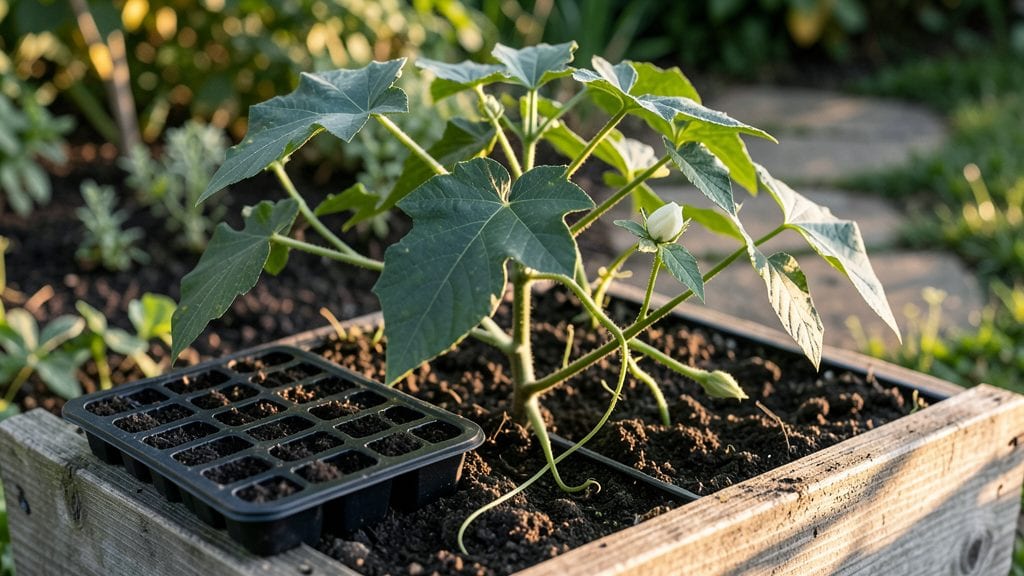
Fast-germinating bitter gourd seedlings start with a hot water soak and a cozy propagation mat—trust me, this cuts your wait from weeks to just 5-7 days.
I’ve watched these stubborn seeds sprout in record time using this method, and the difference in seedling vigor is night and day compared to the "just plant them and hope" approach. The secret isn’t fancy equipment; it’s mimicking the warm, humid conditions these tropical plants crave right from the start.
You’ll need a shallow tray, some damp paper towels, and a heat source—even a sunny windowsill works if you’re in a warm climate. Once those first green shoots appear, transplant them into lightweight potting mix with added perlite to keep roots breathing.
Bitter gourd seedlings hate soggy soil, so aim for moisture that’s damp but never waterlogged. Within 10 days of proper care, you’ll have stocky, bushy seedlings ready to handle transplant shock like pros.
The payoff comes when those seedlings hit the garden: thick stems, glossy leaves, and a growth rate that leaves store-bought transplants in the dust. These plants thrive in full sun and warm weather, so if you’re in zones 8-11, you can direct-sow after your last frost.
Even in cooler areas, a greenhouse or cold frame gives them the jumpstart they need. The key is consistency—no skipping the heat mat in cool weather, and no letting the soil dry out completely.
Here’s the thing about bitter gourd: it’s forgiving once established, but those first few weeks make or break your harvest. My first batch flopped because I rushed the germination process, but now I treat these seedlings like VIPs.
With these tricks, you’ll go from seed to a thriving vine in no time—ready to produce those prized fruits before the season slips away.
📚 In This Guide
- What you need
- Instructions
- Tips and common mistakes
- Wrapping up and next steps
What you need
- ● Bitter gourd seeds: 10–20 seeds (fresh or stored properly for best germination).
- ● Seed trays or small pots: 2–4 inches deep, with drainage holes (6–12 trays/pots depending on seed quantity).
- ● Seed-starting mix: Lightweight, well-draining potting soil (avoid garden soil—it’s too dense!).
- ● Watering can or spray bottle: With a fine mist nozzle for gentle hydration.
- ● Plastic wrap or humidity dome: To retain moisture during germination.
- ● Grow lights or sunny windowsill: A spot with 6–8 hours of indirect light daily (or a LED grow light for 12–14 hours).
- ● Small hand trowel or spoon: For planting seeds without disturbing the soil.
- ○ Labels & markers: To track seedling varieties (optional but helpful!).
- ● Fertilizer (balanced, water-soluble): 5-5-5 or 10-10-10 NPK ratio (dilute to half-strength for seedlings).
- ○ Heat mat (optional): Keeps soil warm (75–85°F) to speed up germination.
- ● Transplanting tools: Small hand shovel or tweezers for moving seedlings later.
Instructions for growing bitter gourd seedlings with fast germination
Here’s how I get bitter gourd seedlings sprouting in just 3-5 days—strong and ready to thrive.
Soak Seeds Overnight for Faster Germination
Place the bitter gourd seeds in a small bowl and cover them with lukewarm water for 8-12 hours before planting. This softens the tough outer shell, helping roots break through sooner. I like to use a mesh bag or paper towel to keep seeds contained while soaking—it makes draining easier later.
After soaking, gently squeeze out excess water but leave the seeds damp. You’ll notice the outer coating plumps up slightly, signaling they’re ready for planting. This step cuts germination time nearly in half compared to dry seeds.
Use Warm, Moist Soil for Immediate Root Growth
Fill your seedling trays with warm potting mix—aim for a temperature of 80-85°F at planting time. I heat the mix by placing the tray in a warm spot (like near a sunny window or on top of a refrigerator) for a few hours before sowing. Warm soil encourages roots to grow aggressively within 24-48 hours of planting.
Moisten the soil until it’s damp but not soggy—think of a well-wrung sponge. Press the soaked seeds ½ inch deep into the soil, spacing them 2 inches apart in rows. A gentle pat with your fingers ensures good soil-to-seed contact without compacting too tightly.
Cover with Plastic for Humidity and Speed
Place a clear plastic dome or wrap tightly over the tray to trap warmth and humidity. Bitter gourd seeds thrive in 85-90% humidity during germination. Check daily for condensation—if the plastic fogs up, you’re on track. Keep the tray in a warm, dark spot (like a closet or under a heat mat) until sprouts appear.
Watch for tiny green shoots in 3-5 days. Once 50% of seeds sprout, remove the plastic immediately to prevent mold. Overcrowding under plastic too long can suffocate seedlings. This is where many gardeners make mistakes—patience here pays off with bushier plants.
Provide Bright, Indirect Light After Germination
Move seedlings to a bright, indirect light source as soon as they emerge. A south-facing window or grow light (kept 4-6 inches above the tray) works best. Direct sunlight at this stage can scorch delicate leaves. You’ll know they’re getting enough light when leaves stay dark green and compact—not pale or stretched.
Water lightly from the bottom by placing the tray in ½ inch of water for 10 minutes. This prevents disturbing roots while ensuring even moisture. Keep the soil consistently damp but never waterlogged. Within 10-14 days, you’ll see first true leaves—these are your signal to thin seedlings if needed.
Thin and Harden Off for Transplant Readiness
When seedlings reach 2 inches tall with 2-3 true leaves, thin to the strongest plant per cell by snipping weaker stems at soil level. Use clean scissors to avoid tearing roots. This reduces competition and encourages bushier growth. I always keep the healthiest-looking seedling—look for thick stems and vibrant leaves.
Start hardening off 1 week before transplanting by placing seedlings outside in partial shade for 1-2 hours daily, gradually increasing time. By day 5, they should tolerate 4-6 hours of sun. Transplant after 2 weeks when night temperatures stay above 60°F—bitter gourds hate cold.
Tips & tricks for perfect bitter gourd seedlings
Fast germination is all about creating the right conditions—here's how to avoid common pitfalls and maximize your success.
Soaking Secret: For even faster results in Step 1, try soaking your bitter gourd seeds in lukewarm water with a pinch of honey or a drop of coconut oil. This not only softens the seed coat but also provides a tiny energy boost to kickstart germination. The 8-12 hour soak is critical—don't cut it short, but don't exceed it either or you risk seed damage.
Soil Temperature Trick: In Step 2, maintaining that 80-85°F soil temperature is key for those 24-48 hour root growth windows. If your home is cooler, place the seedling tray on top of your refrigerator for a few hours before planting. I've found that pre-warming the soil makes all the difference in getting those roots growing aggressively from the start.
Humidity Watch: The 85-90% humidity requirement in Step 3 is non-negotiable for fast germination. If you notice condensation forming on the plastic cover, that's a good sign—it means you've got the right moisture level. But watch for mold too: if you see fuzzy spots, remove the plastic immediately and increase airflow. The goal is to keep seeds happy without creating a petri dish environment.
Light Transition: When moving seedlings to light in Step 4, don't rush it. Those first 10-14 days with bright, indirect light are crucial for developing strong stems. I've seen seedlings become leggy when moved to direct sunlight too soon—just a few hours of direct sun can scorch those delicate leaves. Gradual exposure is the way to go.
Pro Tips for Bitter Gourd Seedling
- Fast germination is all about creating the right conditions—here's how to avoid common pitfalls and maximize your success.
- Soaking Secret: For even faster results in Step 1, try soaking your bitter gourd seeds in lukewarm water with a pinch of honey or a drop of coconut oil.
- Soil Temperature Trick: In Step 2, maintaining that 80-85°F soil temperature is key for those 24-48 hour root growth windows.
Frequently asked questions
Got questions about growing bitter gourd seedlings? You're not alone! Here are some of the most common concerns—plus quick, practical answers to help you nurture thriving plants from the start.
How long does it take for bitter gourd seeds to germinate?
With the right conditions—warmth (75–90°F), moisture, and indirect light—bitter gourd seeds typically sprout in 5–14 days. If you’re using pre-soaked seeds or a heat mat, germination can speed up to 3–7 days. Patience is key, but if nothing sprouts after 2 weeks, try fresh seeds or adjust your soil temperature.
Why aren’t my bitter gourd seedlings growing straight?
Seedlings that lean or bend often need better light. Place them near a sunny window or under grow lights (12–16 hours/day). If they’re top-heavy, gently press the soil around the base to stabilize them. Avoid overcrowding—thin seedlings to 12–18 inches apart once they’re 2–3 inches tall for stronger stems.
Can I plant bitter gourd seedlings too early in the season?
Yes, but only if you’re in a warm climate (USDA Zones 9–11) or using a greenhouse. Bitter gourds thrive in 70°F+ soil and warm nights. For cooler regions, wait until after the last frost or start seedlings indoors 4–6 weeks before transplanting. Cold soil (<50°F) slows growth and invites rot—so plan ahead!
What can I do if my bitter gourd seedlings look wilted or yellow?
Wilting or yellowing often signals overwatering, underwatering, or pests. Check the soil—it should be moist but not soggy. If roots are mushy, reduce watering and improve drainage. For yellow leaves, test for nutrient deficiencies (add compost or a balanced fertilizer). Inspect undersides for aphids or mites; treat with neem oil if needed.
Are there any alternatives to bitter gourd seedlings if I can’t grow them?
If you’re eager for bitter gourd’s health benefits but struggle with seedlings, try:
- Transplants: Buy healthy 4–6 inch seedlings from nurseries (common in Asian grocery stores).
- Hydroponics: Grow from seed in a soilless medium for faster results.
- Substitutes: Use karela (same as bitter gourd), or opt for bitter melon varieties like ‘Long White’ or ‘Pepper Bitter Gourd.’
- Organic stores: Some sell fresh bitter gourd year-round (check labels for pesticide-free).
Pro Tip:
For faster germination, soak seeds in warm water for 24 hours before planting. Place a damp paper towel over them in a sealed bag—check daily for sprouts!
Wrapping up and next steps
Growing bitter gourd seedlings into lush, productive plants is totally within your reach—thanks to the right tricks and a little patience! 🌱 Whether you’re a seasoned gardener or just starting out, these fast-germination tips will help you skip the guesswork and enjoy a thriving harvest.
Now that you’re armed with the best techniques, why not take the next step? Grab those seeds, prep your soil, and watch your garden transform into a bitter gourd paradise. Happy planting—your future meals (and maybe even some bitter-sweet victories) are waiting! 🍽️