How To
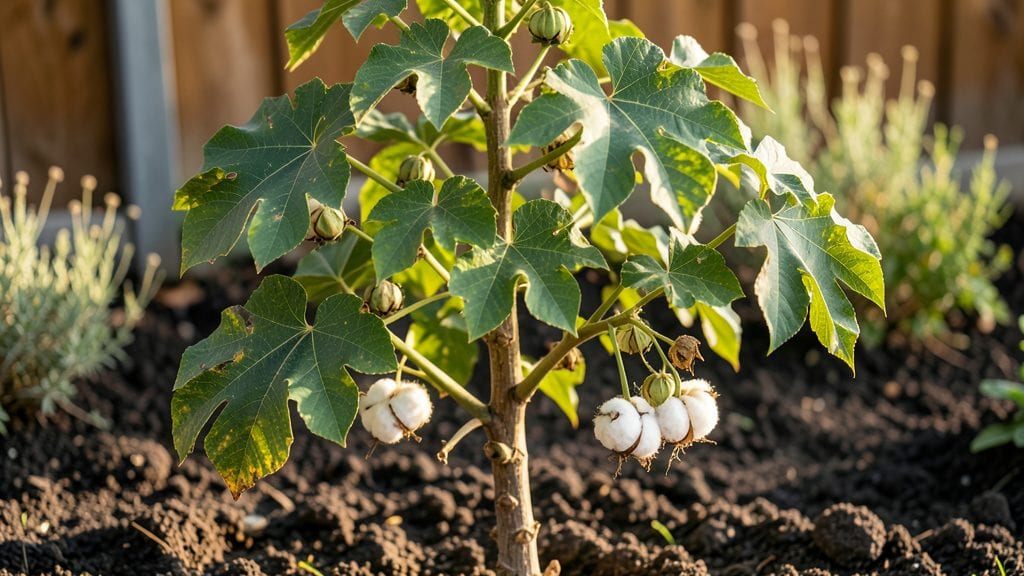
To grow a cotton seed tree from seed, start with warm soil between 70-80°F, soak seeds for 24 hours before planting them ½ inch deep in well-draining soil. Germination usually occurs within 7-14 days, and seedlings will thrive with full sun and consistent moisture. These trees adapt well to USDA zones 7-11, making them ideal for warm climates while tolerating light frost once mature.
Cotton seed trees are surprisingly easy to cultivate from seed once you understand their tropical origins. 🌱 The 24-hour soaking breaks the seed's natural dormancy, simulating the heavy rainfall these trees experience in their native habitats.
I’ve found that maintaining 60-70% soil moisture during germination—without waterlogging—mimics the humid conditions they prefer, which can make the difference between a thriving sprout and a failed attempt.
These trees aren’t just drought-tolerant once established; they actually perform best with regular moisture during their early growth stages, which is why many gardeners use a humidity dome or plastic wrap to create that ideal microclimate.
What many beginners overlook is the tree’s sensitivity to transplant shock. Unlike hardy annuals, cotton seed trees develop delicate root systems that can be easily damaged when moved too soon.
I recommend waiting until seedlings have 3-4 true leaves and are at least 4-6 inches tall before transplanting them outdoors, which gives their roots time to strengthen.
This patience pays off—properly hardened-off seedlings transition to outdoor conditions with far greater success, especially in USDA zones 8-11 where they’ll reach their full 10-20 foot height potential.
💡 In This Article
- Optimal Germination Conditions for Cotton Seed Trees
- Step-by-Step Guide to Planting and Caring for Young Seedlings
Optimal germination conditions for cotton seed trees
Cotton seed trees originate from tropical regions where they experience consistent warmth and high humidity. The 70-80°F soil temperature range isn't arbitrary—it mirrors the natural soil warmth found in their native habitats during the wet season.
This heat activates enzymes within the seed that break down stored nutrients, kickstarting metabolic processes essential for germination. Without this warmth, the seeds often remain dormant because their biochemical pathways require elevated temperatures to function properly.
Think of it like jumpstarting a car battery: the warmth provides the energy needed to overcome initial resistance.
Moisture levels play an equally critical role, with cotton seeds requiring 60-70% soil moisture during germination. Their natural environment receives frequent heavy rains that saturate the soil without causing waterlogging.
This moisture triggers seed swelling through a process called imbibition, where water enters the seed through microscopic pores in the seed coat.
What's fascinating is that cotton seeds can actually absorb up to 50% of their dry weight in water within just 24 hours of soaking—this rapid hydration jumpstarts cellular activity. Too little moisture halts germination, while excess water can suffocate the seed by blocking oxygen access.
The 24-hour soaking period serves a dual purpose: it breaks dormancy and softens the seed coat, which is often tough and impermeable. This mimics the natural process where heavy tropical rains would soften the seed before germination.
After soaking, planting seeds only ½ inch deep ensures they remain close enough to surface moisture while still receiving adequate light for photosynthesis once they sprout.
In their native environment, cotton seeds often germinate in open, sunny areas where they receive both warmth and light simultaneously—a combination we need to replicate in our gardens.
Light exposure during early growth stages is another critical factor, though it's often misunderstood. While mature cotton trees thrive in full sun, newly germinated seedlings actually prefer indirect light or partial shade during their first 2-3 weeks of growth.
This protects their delicate cotyledons from scorching while still allowing sufficient photosynthesis. The ideal scenario is placing them near a south-facing window or under 50% shade cloth if growing indoors.
Once seedlings develop their first true leaves, they can handle direct sunlight for 4-6 hours daily, gradually building their tolerance.
Soil pH preferences for cotton seed trees sit in the 6.0-7.5 range, which is slightly acidic to neutral. This pH level ensures optimal nutrient availability, particularly for nitrogen, phosphorus, and potassium—three essential elements for seedling development.
In their native tropical soils, cotton trees grow in well-drained, slightly acidic environments where organic matter decomposes rapidly. To mimic this at home, mix 20% compost with your planting medium, which not only adjusts pH but also improves moisture retention and aeration.
The key is avoiding compacted soils that can suffocate roots while ensuring proper drainage to prevent waterlogging.
What most gardeners don't realize is how sensitive cotton seedlings are to temperature fluctuations during germination. While they thrive in 70-80°F soil, air temperatures should remain within 75-85°F to prevent stress.
This is why using a seedling heat mat set to 75°F can dramatically improve germination rates, especially in cooler climates. The warmth helps maintain consistent metabolic activity in the seed, which is particularly important during the first 48 hours when most of the biochemical preparation occurs.
Without this controlled environment, germination can take 2-3 weeks instead of the typical 7-14 days.