Pruning
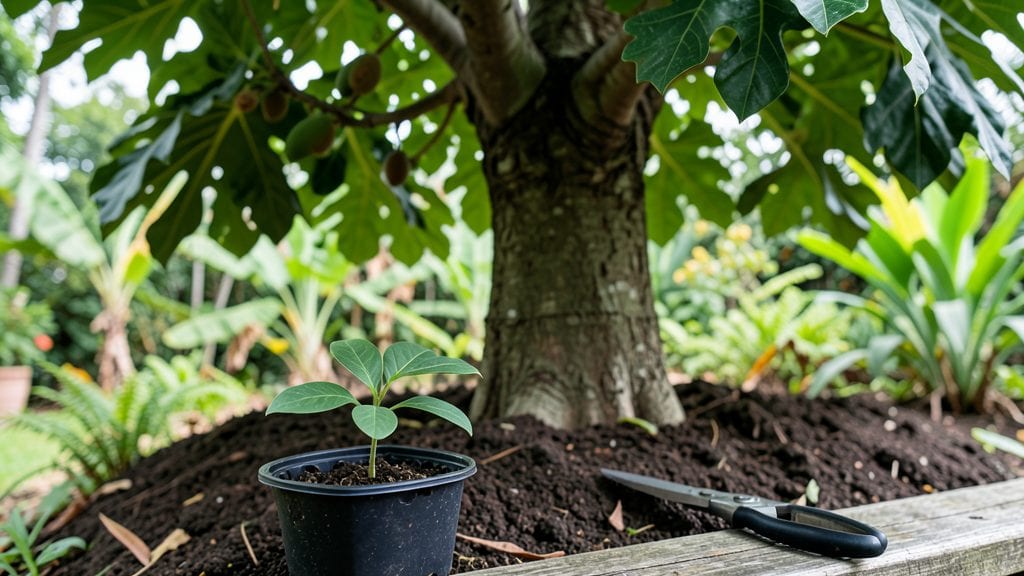
Growing a breadfruit tree from seeds isn’t just gardening—it’s nurturing a future food source that thrives in the tropics. 🌱 I’ve started dozens of these seeds, and the key to breaking through that stubborn shell lies in the first 30 days of care, not just planting.
The right temperature, moisture, and a little patience turn a hard seed into a sturdy seedling ready for transplanting.
You’ll need fresh seeds (or those soaked for 24 hours), a warm spot (75–85°F), and a mix of peat and perlite to keep roots happy without drowning them. Most people rush the germination process, but breadfruit seeds need consistency—think of them as tropical snowflakes that melt only under perfect conditions.
Once sprouted, they grow fast, so having a backup plan for seedlings is smart.
By week 6, you’ll see leaves unfurling like tiny hands reaching for sunlight, and within months, you could have a tree that feeds your family for decades. The challenge? Keeping them alive long enough to outgrow their nursery pots—once they hit 18 inches, they’re ready for the ground.
Just remember: these aren’t annuals; they’re investments that pay off for generations.
Legal note: Breadfruit seeds are often restricted or require permits due to their agricultural value, so check local regulations before sourcing. For those in cooler climates, consider grafting onto a hardy rootstock—it’s how many tropical trees survive outside their native zones. Let’s get those seeds sprouting!
📚 In This Guide
- What you need
- Instructions
- Tips and common mistakes
- Wrapping up and next steps
What you need
- ● Breadfruit seeds: 3–5 fresh, plump seeds (harvested from ripe fruit within 24–48 hours for best results).
- ● Germination medium: 1 small container (6–8 inches in diameter) with drainage holes, or
- ● 1–2 paper towels (for quick pre-sprouting).
- ● Potting mix: 1 bag of well-draining, sterile seed-starting mix (or coconut coir + perlite blend for moisture control).
- ● Small pots or seed trays: 3–4 biodegradable pots (3–4 inches in diameter) or a seed tray with cell inserts.
- ● Plastic wrap or humidity dome: To maintain moisture during germination.
- ● Spray bottle: For gentle watering (avoid over-saturating seeds).
- ○ Heat mat (optional but helpful): A seedling heat mat (70–80°F range) to speed up germination.
- ● Grow lights or sunny windowsill: A south-facing window or LED grow lights (12–16 hours/day) for seedlings.
- ● Fertilizer: A balanced, water-soluble fertilizer (5-5-5 or 10-10-10, diluted to half-strength) for early growth.
- ● Seedling labels or markers to track varieties.
- ● Humidity tray (a shallow tray with pebbles + water for extra moisture).
- ● Fungicide (like neem oil or hydrogen peroxide solution) to prevent mold.
- ● Pruning shears (for future shaping—though not needed yet!).
Step-by-step instructions for germinating breadfruit tree seeds
Here’s how I’ve learned to break through breadfruit’s stubborn germination—no fancy tools, just patience and the right technique.
🌱 Step 1: Prepare the Seeds for Faster Sprouting
Breadfruit seeds have a thick outer shell that slows germination. Start by soaking 4 seeds in warm water for 24 hours—this softens the shell and jumpstarts the process. I use a small bowl of lukewarm water, not boiling, to avoid damaging the seed. After soaking, gently rub the outer coating with sandpaper (lightly!) to create tiny scratches. This helps water penetrate and speeds up sprouting.
Place the seeds between damp paper towels in a sealed plastic bag. Store them in a warm spot, like on top of the fridge or near a sunny window. Check daily—they’re ready when you see a small white root (½ inch) emerging. This usually takes 3-7 days. Don’t rush it; uneven moisture will kill them.
💧 Step 2: Plant in Moist, Well-Draining Soil
Fill a 4-inch diameter pot with a mix of 50% potting soil and 50% perlite—this ensures drainage while keeping moisture. Breadfruit roots need air, so compacted soil will strangle them. Plant each seed 1 inch deep, spacing them 2 inches apart in the pot. Water gently until the soil feels damp but not soggy.
Cover the pot with a clear plastic dome or wrap it in plastic wrap to trap humidity. Place it in a warm spot (80-85°F) with indirect light—direct sun now will dry out the soil too fast. You’ll see tiny sprouts in 1-2 weeks, but don’t remove the cover yet. Wait until the first true leaves appear (they’ll look like small, rounded shapes) before uncovering.
☀️ Step 3: Transition to Bright, Indirect Light
Once the seedlings have 2-3 true leaves, remove the plastic cover and move them to a bright spot with 6+ hours of indirect sunlight daily. A south-facing window works, but avoid harsh afternoon sun—breadfruit seedlings burn easily. If you notice leaves turning pale or stretching toward the light, your seedlings need more intensity. Rotate the pot a quarter turn every few days so they grow straight.
Water when the top ½ inch of soil feels dry. Stick your finger in—if it comes out clean, it’s time. Overwatering is the #1 killer here; breadfruit roots rot faster than they grow. After 4-6 weeks, when seedlings reach 6 inches tall, you can transplant them into individual 6-inch pots with fresh soil mix.
⏰ Step 4: Harden Off Before Outdoor Planting
Breadfruit trees love heat but hate sudden changes. Start hardening off seedlings 2 weeks before last frost by placing them outside in a sheltered spot for 1 hour daily. Gradually increase time over 10 days
Plant in a spot with full sun and well-draining soil, digging a hole twice as wide as the root ball. Water deeply after planting to settle the soil. Breadfruit trees grow fast, but patience now means a stronger tree later. You’ll see new leaves in 2-3 weeks—that’s your sign they’ve taken root.
Tips & tricks for germinating breadfruit tree seeds
Here's what I wish I knew before tackling breadfruit seeds—tricks that'll help you skip the common pitfalls and get those stubborn seeds sprouting in record time.
The Soak Factor: That 24-hour soak isn't just a suggestion—it's the difference between waiting weeks and seeing roots in days. Use lukewarm water (about 85°F) rather than hot, and change the water halfway through if it starts to smell funky. I've seen seeds that soaked in stagnant water fail completely, while the ones in fresh water sprouted in just 3 days.
Scratching Technique: When you're rubbing those seeds with sandpaper, don't go overboard—think "light sanding," not "sanding a wooden deck." You're just creating tiny micro-cracks to help water penetrate. I learned this the hard way when I nearly scraped through the seed entirely! Test on one seed first to see how much pressure works.
Humidity Hack: The plastic bag trick works wonders, but here's a pro move: poke a few tiny holes in the bag before sealing. This prevents condensation from drowning your seeds while still maintaining that crucial humidity. I use a toothpick to make 3-4 small holes—just enough to let excess moisture escape without letting the environment dry them out.
Light Transition: That 6+ hours of indirect light is non-negotiable, but timing matters too. If your seedlings start stretching toward the light (called "etiolation"), it's too late—rotate your pot every few days instead. I place a small sticker on the pot to remind myself which side gets which light exposure, and it's made all the difference in keeping my seedlings sturdy.
Pro Tips for Breadfruit Tree Seeds
- Here's what I wish I knew before tackling breadfruit seeds—tricks that'll help you skip the common pitfalls and get those stubborn seeds sprouting in record time.
- The Soak Factor: That 24-hour soak isn't just a suggestion—it's the difference between waiting weeks and seeing roots in days.
- Scratching Technique: When you're rubbing those seeds with sandpaper, don't go overboard—think "light sanding," not "sanding a wooden deck."
Frequently asked questions
Got questions about growing breadfruit from seeds? You’re not alone—this tropical gem can be tricky to start! Here are answers to the most common queries to help you avoid pitfalls and boost your success rate.
How long does it take for breadfruit seeds to germinate?
Germination can take anywhere from 2 weeks to 3 months, depending on seed freshness, temperature (ideal: 75–85°F), and moisture. Pre-soaking seeds for 24–48 hours in warm water can speed things up. Patience is key—keep the soil consistently damp and monitor for sprouts!
What’s the best temperature for germinating breadfruit seeds?
Breadfruit seeds thrive in warmth, with optimal germination temperatures between 75–85°F (24–29°C). If your climate is cooler, use a seedling heat mat or place the tray near a sunny window. Avoid cold drafts—seeds may rot or refuse to sprout in chilly conditions.
Can I use store-bought breadfruit instead of seeds?
Yes! You can propagate breadfruit from fresh, ripe fruit by extracting the seeds and following the same germination steps. However, store-bought breadfruit is often treated to prevent sprouting—opt for organic or locally sourced fruit for better success. Pro tip: Save seeds from your own tree for guaranteed viability!
Why are my breadfruit seeds rotting instead of sprouting?
Rot is usually caused by overwatering or poor drainage. Use a well-draining mix (like coconut coir + perlite) and keep the soil moist, not soggy. If seeds feel mushy or develop mold, remove them immediately. Sterilize your container with hydrogen peroxide (3%) to prevent fungal issues.
How do I transplant seedlings without killing them?
Once seedlings have 2–3 true leaves (not just cotyledons), they’re ready for transplanting. Harden them off for 5–7 days by gradually exposing them to outdoor conditions. Use a larger pot (1+ gallon) or direct-sow in warm soil—breadfruit hates root disturbance, so handle gently! Mulch to retain moisture.
Wrapping up and next steps
Growing a breadfruit tree from seed is a rewarding journey that combines patience, care, and a touch of tropical magic! 🌱 With the right tricks—like soaking seeds, maintaining warm humidity, and transplanting at the perfect time—you’ll watch your little sprout transform into a thriving tree in just weeks.
Whether you’re dreaming of fresh breadfruit or expanding your garden, now’s the time to roll up your sleeves and start planting!
Ready to take the next step? Grab those seeds, follow your germination plan, and soon, you’ll be harvesting your own homegrown bounty. Happy growing! 🌿