
Pruning
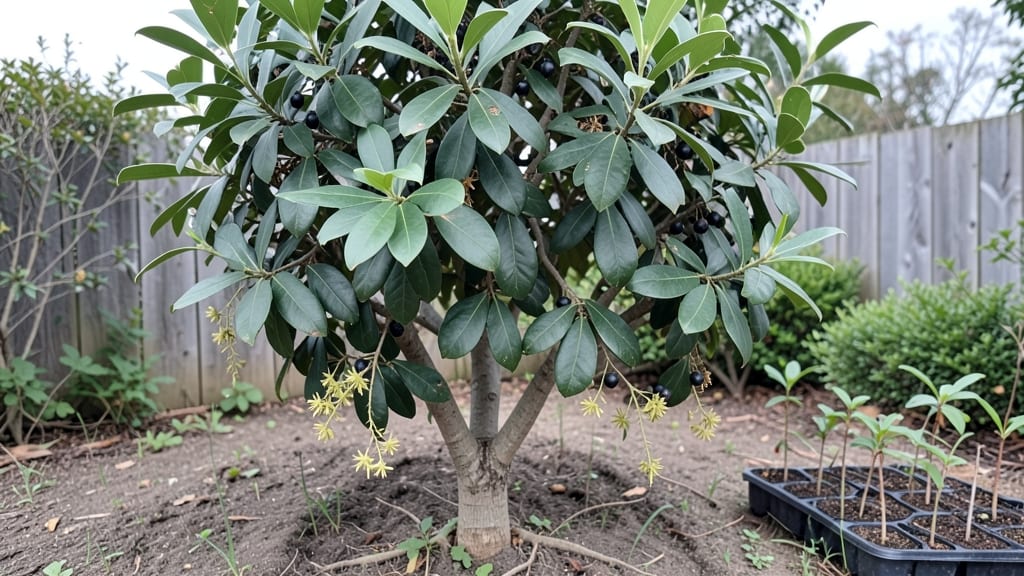
Growing camphor tree seeds isn’t just about patience—it’s about unlocking a fragrant, fast-growing privacy screen that outshines anything from a nursery. 🌿 I’ve battled slow germination with these seeds, but the payoff—a towering, evergreen tree with that signature camphor scent—makes it worth every wait.
The key? Mimicking their tropical origins right from the start, even if you’re in a cooler zone.
You’ll need just three things: a warm spot (think 75–85°F), moist sphagnum moss or a seed-starting mix, and a clear plastic bag to trap humidity. No fancy tools—just a sunny windowsill or grow light and consistent moisture.
The real secret? Scarifying the seeds lightly with sandpaper before planting cuts weeks off that agonizing "will they ever sprout?" phase.
Within 4–8 weeks, you’ll see those first tiny leaves—proof the seeds broke dormancy. Keep them in bright, indirect light and avoid letting the soil dry out, or you’ll reset the clock.
By year two, your seedlings will be 3–5 feet tall, already casting shade and filling the air with that clean, medicinal aroma that repels pests naturally.
This method works best in USDA zones 8–11, but with a little extra heat (like a greenhouse or indoor start), you can push it into zone 7.
The trade-off? Slower growth outside their ideal range, but the fragrance and privacy make it worth the wait. Let’s get those seeds sprouting!
📚 In This Guide
- What you need
- Instructions
- Tips and common mistakes
- Wrapping up and next steps
What you need
- ● Camphor tree seeds – 5–10 fresh, viable seeds (ensure they’re from a healthy, mature tree for best results).
- ● Seed-starting trays or small pots – 4–6 inch diameter (biodegradable pots work great for transplanting later).
- ● Seed-starting mix – 2–3 cups of sterile, well-draining potting soil (avoid garden soil—it can harbor pests!).
- ● Spray bottle – For gentle watering (a fine mist setting is ideal).
- ● Plastic wrap or humidity dome – To create a mini greenhouse effect and retain moisture.
- ● Grow lights or sunny windowsill – Camphor seeds need bright, indirect light (6+ hours daily).
- ○ Heat mat (optional but helpful) – Maintains soil temp at 75–85°F (24–29°C) for faster germination.
- ● Small hand trowel – For planting seeds at ¼-inch depth.
- ● Label markers – To track planting dates (camphor seeds can take 4–12 weeks to sprout!).
- ● Fertilizer (balanced, water-soluble) – Diluted to ½-strength once seedlings sprout true leaves.
- ● Pruning shears – For future maintenance (though not needed for germination).
- ○ Misting fan (optional) – Helps with airflow and prevents mold if humidity is high.
Step-by-step instructions for germinating camphor tree seeds
Here's the fastest method I've found to coax these finicky seeds into growth—no waiting months for stubborn sprouts.
🌱 Step 1: Soak Seeds for 24 Hours
Camphor tree seeds have a tough outer shell that resists water. Place them in a bowl with warm water (85-90°F) and let them soak for a full 24 hours. This softens the shell and jumpstarts germination. I use a small mesh bag to keep them contained while soaking—it makes draining easier later.
After soaking, check for any seeds that float. These are likely non-viable—discard them. The good seeds will sink to the bottom. Drain them thoroughly but don't let them dry out completely. You'll see slight swelling in the seed coat by morning—that's your first sign they're ready.
💧 Step 2: Prepare Moist, Warm Germination Medium
Fill a small seed tray or shallow container with a mix of 50% perlite and 50% peat moss—this ensures excellent drainage while keeping moisture consistent. Moisten the mix until it feels like a wrung-out sponge: damp but not dripping. Camphor seeds rot quickly if overwatered.
Create shallow indentations about ¼ inch deep and place one soaked seed in each. Space them 2 inches apart to prevent crowding as they grow. Cover the tray with clear plastic wrap to retain humidity and warmth. Place it in a location where the temperature stays between 75-85°F—a seedling heat mat helps if your home runs cooler.
☀️ Step 3: Maintain Warmth and Light for Sprouting
Keep the tray in indirect light until germination occurs—direct sun can overheat the plastic and dry out the medium too quickly. You should see tiny sprouts within 7-14 days, though some stubborn seeds may take up to 3 weeks. The moment you spot the first green tip, remove the plastic wrap immediately to prevent fungal growth.
Move the tray to a bright location with filtered sunlight (east or west window works best). Avoid harsh midday sun, which can scorch delicate seedlings. You'll notice the first true leaves appear about 2-3 weeks after germination—these look different from the initial sprouts and signal it's time to transition to individual pots.
🪴 Step 4: Transplant to Individual Pots
Once seedlings develop 2-3 sets of true leaves, carefully transfer them to 4-inch pots filled with a mix of 60% potting soil and 40% perlite. Camphor trees dislike root disturbance, so I use a small spoon to scoop each seedling out with its surrounding soil intact. Gently press the soil around the base to eliminate air pockets.
Place the pots in a location with bright, indirect light for the first week to help them recover from transplant shock. Water lightly from the bottom by placing the pots in a tray of water for 10-15 minutes—this encourages strong root development. You'll know they're adapting well when new growth appears within 2-3 weeks.
⏰ Step 5: Gradually Acclimate to Outdoor Conditions
When nighttime temperatures stay above 55°F consistently, begin hardening off your seedlings by placing them outdoors in a sheltered spot for 2-3 hours daily. Increase their outdoor time gradually over 2 weeks, eventually leaving them out overnight. This prepares them for permanent planting.
Choose a location with full sun to partial shade and well-draining soil for your camphor trees. Space them 20-30 feet apart to allow for their mature size. The first year focuses on establishing roots—you'll see rapid growth once they're settled into their permanent home.
Tips & tricks for germinating camphor tree seeds
These pro techniques will help you bypass the common pitfalls of camphor seed germination—because nobody wants to wait months for these fragrant beauties to sprout.
Soaking Secret: The 24-hour soak in warm water (85-90°F) is non-negotiable for breaking camphor seeds' tough outer shell. I've found that using a small mesh bag during soaking prevents seeds from floating away and makes draining effortless. After soaking, gently squeeze the seeds between paper towels to remove excess moisture—this prevents mold while keeping them hydrated. The slight swelling you'll notice by morning confirms they're ready for planting.
Germination Medium Intelligence: The 50/50 perlite and peat moss mix isn't just about drainage—it's about creating the perfect oxygen balance. Too much peat can compact and suffocate roots, while too much perlite can dry out too quickly. I like to add a thin layer of vermiculite on top to help retain just enough moisture without creating a soggy environment. The key is maintaining that "wrung-out sponge" consistency—damp but never dripping.
Light Management Strategy: Those 7-14 days until germination can feel like an eternity, but patience pays off. Place your tray near an east-facing window for gentle morning light that won't overheat the plastic wrap. If you don't have natural light options, a simple LED grow light on a timer (12-14 hours daily) works wonders. The moment you see that first green tip, remove the plastic immediately—this prevents fungal growth that can kill delicate sprouts before they even get started.
Transplant Timing: Waiting for 2-3 sets of true leaves before transplanting ensures your seedlings have developed strong enough roots to handle the transition. I've learned the hard way that transplanting too early leads to shock and stunted growth. When you do transplant, use the "spoon method" to lift each seedling with its surrounding soil intact—this preserves those delicate roots. The bottom-watering technique for those first 10-15 minutes after transplanting gives roots a gentle introduction to their new home.
Pro Tips for Camphor Tree Seeds
- These pro techniques will help you bypass the common pitfalls of camphor seed germination—because nobody wants to wait months for these fragrant beauties to sprout.
- Soaking Secret: The 24-hour soak in warm water (85-90°F) is non-negotiable for breaking camphor seeds' tough outer shell.
- Germination Medium Intelligence: The 50/50 perlite and peat moss mix isn't just about drainage—it's about creating the perfect oxygen balance.
Frequently asked questions
Got questions about growing camphor tree seeds? You’re not alone! Here are some of the most common queries—and their answers—to help you get started on your fragrant, fast-growing privacy screen.
How long does it take for camphor tree seeds to germinate?
Camphor tree seeds typically germinate within 4 to 12 weeks, depending on conditions like warmth, moisture, and seed freshness. Patience is key—consistent warmth (around 70–80°F) and humidity will speed up the process. If you don’t see sprouts in 3 months, the seeds may need stratification or freshness testing.
Can I plant camphor tree seeds directly in the ground, or do I need to start them indoors?
For best results, start seeds indoors 8–12 weeks before the last frost in seed trays with well-draining soil. Camphor trees are sensitive to cold, and indoor starts give them a head start. Once seedlings are 3–4 inches tall and hardened off, transplant them outdoors in spring. Skip this step only if you live in a USDA Zone 10+ with mild winters.
Why aren’t my camphor tree seeds sprouting? Troubleshooting tips?
If your seeds aren’t germinating, check these common issues:
- Poor soil moisture: Keep soil consistently damp (not soggy) during germination.
- Low temperatures: Camphor seeds need warmth—use a heat mat if your home is cool.
- Old or dormant seeds: Soak seeds in warm water for 24 hours or try stratification (cool, moist storage for 4–6 weeks).
- Low viability: Test a few seeds by cutting them open—if the inside is hard or discolored, they may not sprout.
How fast do camphor trees grow, and when can I expect privacy?
Camphor trees grow moderately fast—expect 1–2 feet per year under ideal conditions. With proper care, they can reach 20–40 feet tall in 10–15 years, offering a lush, fragrant privacy screen. For quicker results, plant multiple seedlings in a row or pair them with faster-growing companion plants like bamboo.
Are there alternatives to camphor tree seeds for fast-growing privacy?
Yes! If camphor seeds are tricky, consider these fast-growing, fragrant, or low-maintenance alternatives:
- Leyland Cypress: Grows 3–4 feet per year, dense foliage, and thrives in most climates.
- Bamboo (Clumping Types): Fast-growing, but invasive—choose non-running varieties like Fargesia.
- Italian Cypress: Narrow, tall, and drought-tolerant; reaches 40+ feet in 10 years.
- Privet Hedge: Budget-friendly, evergreen, and grows 2–3 feet per year.
Each has trade-offs—camphor’s aromatic leaves and tropical vibe make it unique, but faster growers may win for quick privacy.
Wrapping up and next steps
Growing a camphor tree from seed is a rewarding journey that blends patience with the joy of nurturing nature’s fragrant beauty. 🌱 With the right soil, light, and care, you’ll soon enjoy a fast-growing, aromatic privacy screen that’s both functional and stunning.
Ready to take the next step? Start with just a few seeds—your future shade haven is just a few months away!
💡 Pro tip: Keep a germination journal to track progress and share your milestones with fellow plant enthusiasts!