Pruning
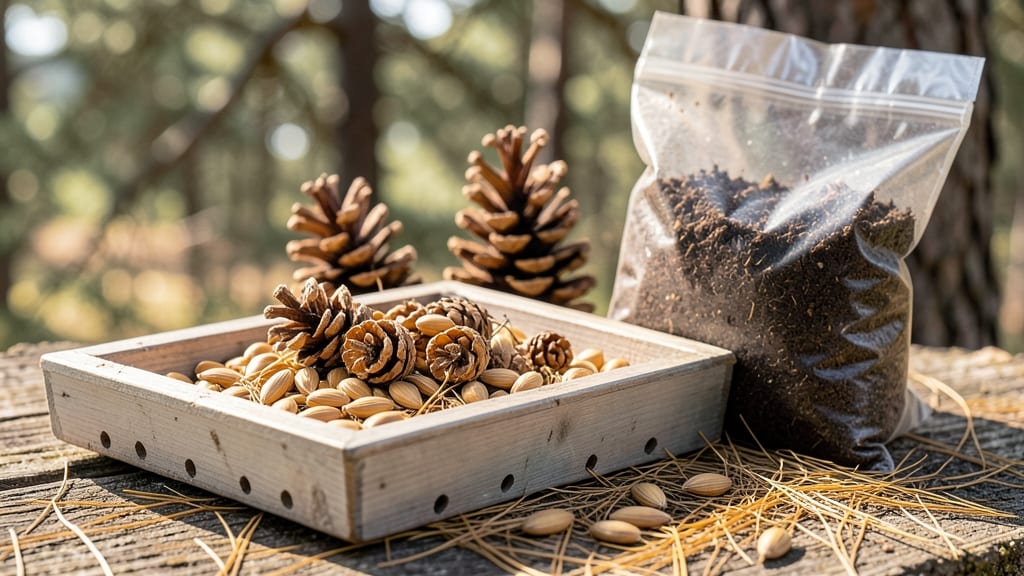
Growing evergreen trees from seed means decades of privacy and windbreaks—if you get the germination right. 🌲 I learned the hard way that skipping cold stratification turns most evergreen seeds into expensive mulch, but once I cracked the process, my backyard transformed into a lush, year-round screen.
The key starts with seed selection: focus on cold-hardy varieties like Eastern red cedar or white pine, which thrive in zones 3-7. You’ll need a mix of pearlite and peat moss for drainage, plus patience—evergreen seeds often need 60-90 days of cold, moist conditions to break dormancy.
Most beginners rush this step and end up with moldy soil instead of seedlings.
By spring, you’ll see tiny green needles pushing through the soil, signaling success. With proper spacing (3-5 feet apart) and morning sun, these trees will grow into a dense, evergreen hedge that blocks noise, wind, and prying neighborly glances.
The first year is all about protecting those fragile sprouts from late frosts.
Works for urban lots, rural windbreaks, or even large containers if you’re short on space. The payoff? A living privacy screen that only gets more beautiful—and valuable—with time. Let’s get those seeds started right.
📚 In This Guide
- What you need
- Instructions
- Tips and common mistakes
- Wrapping up and next steps
What you need
- ● Evergreen tree seeds: Choose cold-hardy varieties like Picea (spruce), Abies (fir), or Pinus (pine). Aim for 50–100 seeds (more = better success rates!).
- ● Seed-starting mix: A sterilized, well-draining blend (e.g., 50% peat moss + 50% perlite or vermiculite). 2–3 quarts per batch.
- ● Seed trays or pots: 3–4 inch deep with drainage holes. 6–12 cell trays or 4–6 small pots (1 seed per cell/pot).
- ● Plastic wrap or humidity dome: To maintain moisture during germination. Clear plastic sheeting or a humidity lid works.
- ● Spray bottle: With room-temperature water for gentle misting.
- ● Grow lights or sunny windowsill: 12–16 hours of light daily (grow lights are ideal; south-facing windows work too).
- ○ Heat mat (optional but helpful): 70–75°F for faster germination (especially for slower-germinating species like spruce).
- ● Labels & markers: To track seed types and planting dates.
- ● Fungicide: A mild solution (e.g., hydrogen peroxide 3%) to prevent damping-off disease.
- ● Grafting tape or clips: If you plan to transplant seedlings later.
- ● Cold frame or refrigerator: For stratification (required for some evergreen seeds; see next section!).
- ● pH test kit: To ensure your soil mix is slightly acidic (pH 5.0–6.5), ideal for most evergreens.
- ● Compost or worm castings: For a nutrient boost once seedlings sprout.
Step-by-Step guide to germinating cold-hardy evergreen tree seeds
Turn those stubborn evergreen seeds into sturdy saplings with this foolproof cold-stratification method.
🌱 Step 1: Collect and Prepare the Seeds
Gather fresh evergreen seeds—ideally from mature cones you’ve collected yourself. I like to harvest them in late fall when cones are fully dry but haven’t yet released seeds naturally. Spread them on a paper towel in a single layer and let them air-dry for 3-5 days in a cool, shaded spot. This mimics the natural drying process and prevents mold.
Once dry, store the seeds in a sealed container in your refrigerator’s crisper drawer for 3 months. This cold stratification mimics winter conditions, breaking seed dormancy. Check them monthly—if any seeds sprout prematurely, remove them immediately and plant separately. Most evergreen seeds need this 90-day chill period to germinate reliably.
💧 Step 2: Stratify and Sow for Germination
After stratification, fill a 4-inch deep seed tray with moistened seed-starting mix (never garden soil—it’s too dense). Plant seeds ¼ inch deep, spacing them 1 inch apart in rows. I use a small spoon to make tiny holes—pressing seeds too hard can damage the embryo inside. Cover the tray with a clear plastic dome or plastic wrap to retain humidity, but leave it slightly ajar for airflow.
Place the tray in a cool, dark location (like a basement or unheated garage) where temperatures stay between 40-50°F. Evergreen seeds germinate slowly—30-90 days is normal. Keep the soil consistently moist but never soggy; I check daily by pressing a finger into the soil. If it feels damp but not wet, you’re golden.
☀️ Step 3: Transition to Light and Monitor Growth
Once seedlings emerge, remove the dome and move them to bright, indirect light for 2-3 weeks. Direct sunlight now will scorch their delicate leaves. I use a grow light on a 12-hour cycle to prevent leggy growth. Watch for first true needles—these look like tiny, scale-like leaves and signal the seedling is establishing its evergreen identity.
When seedlings reach 2 inches tall, gradually introduce them to morning sun for 1-2 hours daily, increasing exposure over 2 weeks. This hardening process prevents shock when you transplant. Avoid fertilizing yet—young evergreens are sensitive to salts, and their roots need time to establish before taking up nutrients.
🪴 Step 4: Transplant and Prepare for Outdoors
Transplant seedlings into 4-inch pots filled with a 50/50 mix of potting soil and perlite to improve drainage. Handle them by their leaves, never the stems—evergreen seedlings are brittle. Water gently after transplanting, and place them in a shaded outdoor spot for 1 week before moving to full sun. This slow acclimation prevents transplant shock.
By late spring, when nighttime temperatures stay above 50°F, your seedlings are ready for the garden. Space them 6-8 feet apart—evergreens grow slowly but live for decades, so proper spacing now avoids future crowding. Mulch with 2 inches of pine needles to mimic their natural forest floor and retain moisture.
Tips & tricks for perfect evergreen tree seed germination
Cold-stratification isn't just a process—it's an art form that transforms stubborn evergreen seeds into thriving saplings. Here's what I've learned after years of trial and error to ensure your seeds break dormancy reliably.
Cold Stratification Precision: The 3-month refrigeration period in Step 1 is non-negotiable for most evergreen species, but consistency matters more than the clock. I place my seeds on a wire rack inside a sealed container to prevent moisture buildup that could cause mold. Check monthly by gently pressing seeds—if they feel damp or smell funky, transfer to a paper towel to dry for 24 hours before returning to cold storage. This mimics natural winter conditions where seeds experience freeze-thaw cycles without rotting.
Seed Depth and Spacing Secrets: When planting in Step 2, resist the urge to bury seeds deeper than ¼ inch—they need light to trigger germination. I use a toothpick to make precise planting holes rather than pressing seeds directly into soil, which can damage the delicate embryo. The 1-inch spacing between seeds might seem generous, but evergreen seedlings develop slowly and need room to establish their root systems before competing for nutrients.
Temperature Troubleshooting: Maintaining 40-50°F during germination in Step 2 is crucial, but don't panic if your basement fluctuates. I've had success using a seedling heat mat set to low (around 55°F) during cold snaps, but only for short periods—prolonged warmth can trigger premature germination. The key is consistency: evergreen seeds need stable cool conditions to break dormancy without sprouting too soon.
Light Transition Strategy: That 2-3 week bright indirect light period in Step 3 is where many growers go wrong. I start with a sheer curtain over my grow lights to diffuse intensity, then gradually remove it over 5 days. Watch for seedlings leaning toward light—this indicates they're not getting enough indirect light. The first true needles should appear within 3-4 weeks of this transition, signaling the seedling is ready for more sunlight.
Pro Tips for Evergreen Tree Seeds
- Cold-stratification isn't just a process—it's an art form that transforms stubborn evergreen seeds into thriving saplings.
- Cold Stratification Precision: The 3-month refrigeration period in Step 1 is non-negotiable for most evergreen species, but consistency matters more than the clock.
- Seed Depth and Spacing Secrets: When planting in Step 2, resist the urge to bury seeds deeper than ¼ inch—they need light to trigger germination.
Frequently asked questions
Got questions about growing evergreen trees from seeds? You’re not alone!
Here are some of the most common queries—plus straightforward answers to help you get started with confidence.
How long does it take for evergreen tree seeds to germinate?
Germination timelines vary by species, but most evergreen seeds take 4 to 12 weeks to sprout. Some cold-hardy varieties (like spruce or pine) may need stratification—a chilling period—to break dormancy. Patience is key! Monitor moisture and warmth (60–75°F) for best results.
Can I plant evergreen seeds outdoors in winter?
Direct outdoor planting in winter is risky unless your region has mild, frost-free winters. Most evergreen seeds thrive best when sown in early spring or after stratification. If you must plant in cold weather, use a protective cover (like row fabric) and keep soil lightly moist.
What’s the easiest evergreen tree to grow from seed?
For beginners, Norway spruce (Picea abies) or Eastern white pine (Pinus strobus) are great choices—they’re cold-hardy, fast-growing, and tolerate poor soil. Avoid fussy species like cedar or fir, which often require precise conditions.
Why aren’t my evergreen seeds sprouting?
Seeds may fail to germinate due to old age, improper stratification, or poor moisture/warmth. Check for mold (a sign of overwatering) or dryness. Try soaking seeds in water for 24 hours before replanting, or test a few in a seed germination kit to diagnose issues.
Can I use store-bought evergreen seeds for privacy screens?
Store-bought seeds work, but germination rates vary. For faster, uniform growth, consider bare-root seedlings or container-grown trees from nurseries. If using seeds, buy from reputable suppliers (like Burpee or Fast-Growing-Trees.com) for cold-hardy varieties.
Still stumped? Drop your question in the comments—we’re happy to help!
Wrapping up and next steps
Growing cold-hardy evergreen tree seeds for year-round privacy is a rewarding project that blends patience with nature’s resilience! 🌲 Whether you’re a seasoned gardener or just starting, these tips ensure your seeds thrive—even in chilly climates. Your next step? Grab those seeds, prep your space, and watch your evergreen oasis take shape over time.
Ready to turn your vision into a lush, green reality? Start small—plant a few seeds today and let your green thumb grow! 🌱