Blooming
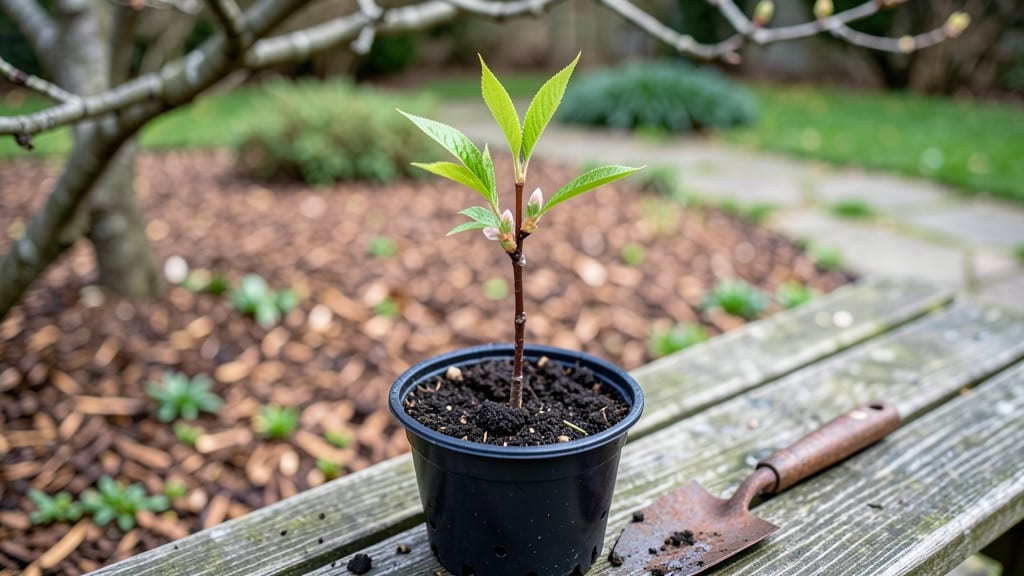
Growing a cherry blossom seedling into a flowering tree in record time isn’t just luck—it’s about understanding the hidden language of pruning and growth. 🌸 I’ve watched these delicate seedlings transform from spindly stems into showstopping canopies by mastering just a few strategic cuts and care tricks, and you can too.
The key starts with soil that drains like a dream—sandy loam mixed with compost—so roots don’t drown. Plant your seedling shallow, just 1-2 inches deep, and give it a spot where it basks in full sun for at least six hours daily.
Watering’s the real game-changer: keep the soil consistently moist but never soggy, especially in those first critical weeks when roots are still finding their footing.
By the time your seedling hits its first winter, you’ll see the difference: sturdy stems ready to burst into blooms. Prune back any leggy growth in early spring to encourage bushier branches, and watch as those pink buds appear faster than you’d expect.
The secret’s in the patience—those first flowers might take 2-3 years, but every cut brings you closer.
This method works whether you’re growing in a container on a balcony or planting directly in the ground. The same principles apply, so you’ll get that signature cherry blossom beauty no matter your space. Let’s get those seedlings thriving!
📚 In This Guide
- What you need
- Instructions
- Tips and common mistakes
- Wrapping up and next steps
What you need
- ● Cherry blossom seedling (choose a healthy, disease-free Prunus serrulata variety, like 'Kwanzan' or 'Somei-Yoshino').
- ● Well-draining potting mix (5-10 gallons, depending on pot size). Look for a blend with perlite or sand for aeration.
- ● Garden pots or containers (12–18 inches in diameter with drainage holes).
- ● Pruning shears (sharp, clean, and sterilized with rubbing alcohol to prevent disease).
- ● Balanced fertilizer (10-10-10 or 20-20-20, diluted to half-strength for seedlings).
- ● Watering can or hose with a gentle spray nozzle (avoid overwatering!).
- ● Mulch (2–3 inches of organic mulch, like shredded bark or wood chips, to retain moisture).
- ● Sunlight access (6+ hours of direct sunlight daily, or a grow light for indoor seedlings).
- ● Epsom salt (1 tbsp/month in water for magnesium boosts).
- ● Slow-release fertilizer pellets (for convenience).
- ● Plant supports or stakes (if growing tall varieties outdoors).
- ● pH testing kit (ideal soil pH: 5.5–7.0 for cherry blossoms).
- ● Fungicide spray (preventative measure for powdery mildew).
How to grow a cherry blossom seedling for fast, stunning blooms
Here's the simple method I use to coax vibrant blooms from seedlings in record time.
🌱 Step 1: Select and Prepare Your Seedling
Start with a healthy 1-2 year-old cherry blossom seedling (Prunus serrulata) from a reputable nursery. Look for one with smooth bark and bright green leaves—avoid any with yellowing or spotted foliage, as these signal disease. I always choose a grafted variety for faster blooming, since grafted plants mature 2-3 years sooner than seed-grown trees.
Before planting, trim any dead or damaged branches with clean, sharp pruners. Make cuts at a 45-degree angle just above a bud or branch junction. This encourages new growth and prevents disease entry. Soak the roots in lukewarm water for 15-20 minutes if you're transplanting from a container—this helps reduce shock.
☀️ Step 2: Plant in the Right Spot for Fast Growth
Cherry blossoms thrive in full sun—plant where your tree gets at least 6 hours of direct sunlight daily. I dig a hole twice as wide as the root ball but only as deep. The top of the root ball should sit 1-2 inches above ground level—this prevents water from pooling around the trunk and rotting the roots.
Backfill with a mix of native soil and 1 part compost (use the 2 gallons of compost from your materials). Water deeply right after planting to settle the soil and eliminate air pockets. You'll know it's right when water drains evenly without pooling. Mulch around the base with 2-3 inches of organic mulch (like wood chips) to retain moisture and regulate soil temperature.
✂️ Step 3: Prune for Early Blooms and Strong Structure
Prune right after planting to shape the tree and encourage blooms. Remove any suckers (shoots growing from the base) and crossing branches—these compete for energy and weaken the tree. I cut back one-third of the tallest branches to redirect growth into a fuller shape. Always prune in late winter or early spring (just before buds swell) for the best results.
Use sterilized pruners to make clean cuts at a 45-degree angle just above an outward-facing bud. Avoid leaving stubs—this invites disease. After pruning, apply a balanced fertilizer (like 10-10-10) around the base, but not touching the trunk. Water thoroughly to help the tree recover. You’ll see new growth within 3-4 weeks—that’s your sign the pruning worked!
💧 Step 4: Water and Feed for Rapid Growth
Water deeply 2-3 times per week during the first year, ensuring the soil stays moist but not soggy. You’ll know it’s right when the top 2 inches of soil feel damp but not wet. Overwatering is the #1 killer of young cherry blossoms—it causes root rot. I water at the base, not the leaves, to prevent fungal diseases like powdery mildew.
Feed with a slow-release fertilizer every 6-8 weeks during growing season (spring through summer). I use 1 cup of 10-10-10 fertilizer per year of the tree’s age (e.g., 2 cups for a 2-year-old). Stop fertilizing in late summer to encourage dormancy and prepare for winter. This feeding schedule ensures your tree gets the nutrients it needs without burning the roots.
⏰ Step 5: Protect and Encourage Blooms Year-Round
In late winter, apply a 2-3 inch layer of mulch around the base (but keep it 6 inches away from the trunk) to insulate roots. This helps the tree withstand temperature swings and promotes early spring blooms. If your area gets below 10°F, wrap the trunk with burlap to prevent sunscald.
Watch for pink buds in early spring—that’s your cue to reduce watering slightly and stop fertilizing. The tree is focusing energy on blooms now, not leaves. Once flowers appear, avoid pruning until after they drop. Deadhead spent blooms in late spring to encourage a second flush of flowers. With this care, you’ll see full, vibrant blooms in just 2-3 years—not the 5+ years many gardeners wait!
Tips & tricks for growing fast-blooming cherry blossom trees
These little details make all the difference between waiting years for blooms and enjoying your cherry blossom's beauty in just a few seasons.
Root Soaking Secret: That 15-20 minute lukewarm water soak for container-grown seedlings isn't just helpful—it's crucial. I've seen seedlings with roots circling the pot fail to thrive because they weren't properly hydrated before transplanting. Use water that's just warm enough to feel comfortable to your wrist, not scalding. This helps break dormancy and reduces transplant shock, which means faster root establishment and earlier blooming.
Sunlight Strategy: The "at least 6 hours of direct sunlight" rule is non-negotiable for fast blooms, but here's the pro move: position your tree where it gets morning sun and afternoon shade if you live in a hot climate. This prevents leaf scorch while still giving the energy needed for flower production. In colder regions, full sun all day is perfect—just make sure the soil stays moist during those first critical months.
Pruning Precision: When you cut back that one-third of the tallest branches in Step 3, aim for branches that are about pencil-thick. Thinner branches won't provide enough structure, while thicker ones take too long to recover. The 45-degree angle cut is important too—it prevents water from pooling at the cut site, which could lead to rot. I always make my cuts just above a bud that's facing outward from the tree, which encourages new growth in the direction I want.
Watering Wisdom: The "2-3 times per week" guideline works, but here's how to perfect it: stick your finger about 2 inches into the soil. If it feels dry at that depth, it's time to water. If it's still damp, wait another day. Overwatering is the silent killer of young cherry blossoms—it causes root rot that you won't see until it's too late. I've lost three seedlings this way before learning this trick, so trust me on this!
Pro Tips for Cherry Blossom Seedling
- These little details make all the difference between waiting years for blooms and enjoying your cherry blossom's beauty in just a few seasons.
- Root Soaking Secret: That 15-20 minute lukewarm water soak for container-grown seedlings isn't just helpful—it's crucial.
- Sunlight Strategy: The "at least 6 hours of direct sunlight" rule is non-negotiable for fast blooms, but here's the pro move: position your tree where it gets morning sun and afternoon shade if you live in a hot climate.
Frequently asked questions
Got questions about growing cherry blossom seedlings?
You’re not alone! Here are answers to the most common queries to help you nurture stunning blooms with ease.
How long does it take for a cherry blossom seedling to bloom?
A cherry blossom seedling typically takes 3 to 5 years to produce its first flowers, depending on the variety and growing conditions. Patience is key—focus on healthy growth, proper sunlight (6+ hours daily), and well-draining soil to speed up the process. Bonus: Dwarf varieties may bloom faster!
Can I grow a cherry blossom seedling from store-bought seeds, or do I need a grafted tree?
Store-bought seeds will grow, but they won’t produce true cherry blossoms (they’ll likely turn into wild, non-flowering trees). For reliable blooms, opt for grafted seedlings or nursery-bought trees labeled as ornamental cherry blossoms. Grafting ensures the iconic pink/white flowers you love!
When is the best time to plant a cherry blossom seedling?
Plant your seedling in early spring or fall when temperatures are mild (50–70°F). Avoid extreme heat or frost, which can stress young roots. If planting in summer, water deeply and use shade cloth to protect it until established. Pro tip: Soak roots in water for 1–2 hours before planting for a smoother transition!
How do I prune a cherry blossom seedling to encourage more blooms?
Prune in late winter or early spring (before buds swell) to shape the tree and promote flowering. Remove dead, crossing, or inward-growing branches, and cut back overgrown limbs to 1/3 of their length. Avoid heavy pruning—cherry blossoms bloom on old wood, so focus on light, strategic cuts for a fuller, healthier tree.
What pests or diseases should I watch for in cherry blossom seedlings?
Common issues include:
- Japanese beetles: Skew leaves and flowers—handpick or use neem oil.
- Powdery mildew: White fungal spots? Improve airflow and spray with baking soda solution (1 tsp baking soda + 1 quart water + a drop of dish soap).
- Canker disease: Brown, sunken spots on bark? Prune infected areas and sterilize tools with rubbing alcohol.
Prevention is key: Water at the base (not overhead) and mulch to keep soil healthy!
Wrapping up and next steps
Growing a stunning cherry blossom seedling is all about patience, care, and a little pruning magic! 🌸 With the right techniques—like strategic trimming, proper sunlight, and consistent watering—you’ll enjoy vibrant blooms year after year.
Whether you’re a gardening pro or just starting, these secrets will help you nurture a breathtaking tree that brings joy to your space.
Ready to take the next step? Start by observing your seedling’s growth and adjusting your pruning schedule as needed. Share your progress with fellow plant lovers—your cherry blossom journey might inspire others to grow their own! 🌱✨