Flowers
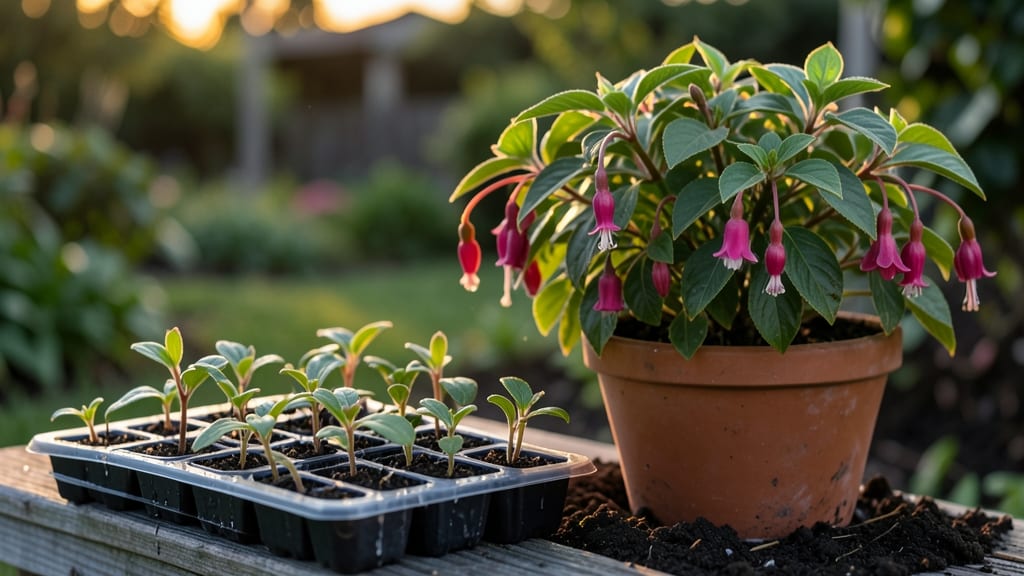
Growing fuchsia flower seeds gives you those dangling, jewel-toned blooms in just 6-8 weeks—something store-bought plants can’t match.
I’ve started dozens of batches, and the key isn’t patience (though you’ll need some) but knowing exactly when to tweak light, heat, and humidity for those first tiny leaves to pop through.
The secret weapon? A warm spot with bright, indirect light and a humidity dome (even a plastic bag works). Most beginners overwater or let seedlings dry out—both kill fuchsias faster than you’d think.
Once those first leaves appear, you’ll want to harden them off before transplanting, or they’ll bolt into shock.
By week 8, you’ll have lush, leggy seedlings ready to burst into color. The payoff? Fuchsias bloom nonstop from summer through frost, and their unique shapes attract hummingbirds like nothing else. Just avoid the common trap of planting too early—wait until nighttime temps stay above 55°F.
Works for windowsill starters, greenhouse setups, or even under grow lights. Here’s how to turn those tiny seeds into a showstopper display—without losing your mind in the process.
📚 In This Guide
- What you need
- Instructions
- Tips and common mistakes
- Wrapping up and next steps
What you need
- ● Fuchsia flower seeds – Choose a variety you love (e.g., Fuchsia magellanica or Fuchsia hybrida). A small packet (about 50-100 seeds) is perfect for beginners.
- ● Seed-starting mix – A lightweight, well-draining potting mix (look for a seed-starting blend or add perlite/vermiculite for aeration). You’ll need about 1-2 cups per container.
- ● Small seed trays or biodegradable pots – Use 2-3 inch pots or a seed tray with individual cells (one seed per cell). Biodegradable pots are eco-friendly and reduce transplant shock!
- ○ Grow lights or a sunny windowsill – Fuchsia seeds need 12-16 hours of light daily. A full-spectrum LED grow light (optional but highly recommended) works best for consistent growth.
- ● Spray bottle with water – For gentle hydration without disturbing seeds. Aim for fine mist to keep soil moist but not soggy.
- ● Plastic wrap or humidity dome – Helps maintain warmth and moisture until germination (usually 10-21 days).
- ● Fertilizer (balanced, water-soluble) – A 5-10-5 or 10-10-10 NPK ratio fertilizer (diluted to half-strength) once seedlings sprout.
- ● Heating mat – Speeds up germination (keep soil at 65-75°F).
- ● Humidity tray – A shallow tray with pebbles and water to boost moisture levels.
- ● Plant labels & marker – Track varieties if growing multiple types.
- ● Pruning shears – For pinching back leggy seedlings later.
- ● Compost or worm castings – Boosts soil fertility for transplanting.
Step-by-Step instructions for growing fuchsia flowers from seed
Here's how to nurture delicate fuchsia seedlings into vibrant blooms in just two months.
Prepare Containers and Seed Starting Mix
Fill small pots or seed trays with the sterile seed-starting mix—fuchsias hate soggy soil, so avoid garden soil or compost-heavy blends. I use 2-3 inch deep containers for each seed since they germinate slowly and need space to avoid competition. Moisten the mix until it feels like a damp sponge, not dripping wet.
Press the soil surface lightly with your fingers to create a firm, even bed. This prevents seeds from sinking too deep when watered. Place the containers in a warm spot (70-75°F) since fuchsia seeds need consistent warmth to germinate. I set mine on a seedling heat mat for faster results.
Sow Seeds and Maintain Moisture
Sprinkle 1-2 seeds per pot on the soil surface—fuchsia seeds don’t need light to germinate, so they don’t require burial. Gently press them into the top layer with your fingertip, ensuring they make contact with the soil. Cover the pots loosely with clear plastic wrap to retain humidity.
Check daily and mist the soil lightly with a spray bottle to keep it consistently moist. Overwatering now causes seeds to rot before sprouting. You’ll see tiny seedlings emerge in 14-21 days, but don’t be discouraged if it takes longer—they’re notoriously slow. Remove the plastic wrap immediately once sprouts appear to prevent fungal issues.
Provide Gentle Light and Prevent Legginess
Move seedlings to a bright, indirect light spot as soon as they sprout—12-14 hours daily is ideal. A south-facing window works, but supplement with a grow light if natural light is weak. Keep the light 4-6 inches above the plants to avoid scorching tender leaves.
Rotate the pots quarter-turn daily so seedlings grow straight instead of leaning toward the light. If stems stretch thin and pale (a sign of legginess), lower the light source immediately. Strong seedlings have dark green leaves and compact spacing between growth points.
Thin and Transplant for Stronger Growth
When seedlings develop 2-3 sets of true leaves (about 6-8 weeks after sowing), thin to the strongest plant per pot. Use scissors to snip weaker stems at soil level—pulling risks disturbing roots. Transplant into 4-inch pots with fresh seed-starting mix if needed, burying stems up to their first leaves to encourage root growth.
Water at the base to avoid wetting leaves, which invites powdery mildew. After transplanting, place pots in bright, dappled shade for a week to reduce stress. You’ll notice new leaves forming within 7-10 days—this signals successful recovery.
Harden Off and Prepare for Outdoor Planting
Two weeks before your last frost date, begin hardening off by placing pots outside in partial shade for 1-2 hours daily. Gradually increase exposure over 10-14 days, ending with full sun tolerance. Fuchsias thrive in morning sun and afternoon shade, so avoid harsh afternoon rays.
Once hardened, transplant into the garden or larger containers with well-draining potting mix. Pinch back leggy stems to encourage bushier growth. With consistent care, you’ll see first blooms in 6-8 weeks—earlier than many annuals!
Tips & tricks for growing fuchsia flowers from seed
Here's what I've learned after growing fuchsias from seed for years—these little tricks make all the difference with such delicate plants.
Soil Temperature Matters: The 70-75°F soil temperature in Step 1 is non-negotiable for germination. I've found that placing containers on a seedling heat mat actually speeds up germination by 3-5 days compared to just room temperature. If you don't have a heat mat, try placing your pots on top of your refrigerator—they generate just enough warmth. Remember, fuchsia seeds are picky about warmth, so don't skimp on this step.
Lighting Strategy: When moving seedlings to 12-14 hours of light in Step 3, I recommend using a timer for your grow lights. This consistency prevents leggy growth that happens when plants stretch toward inconsistent light. Position your light source 4-6 inches above the seedlings and adjust as they grow—too close can scorch those tender leaves, while too far away leads to weak stems.
Thinning Technique: In Step 4, when thinning to the strongest plant per pot, I always use clean, sharp scissors rather than pulling by hand. This prevents disturbing the roots of the plant you're keeping. Also, don't be tempted to rush this step—wait until you see those 2-3 sets of true leaves before thinning. Patience here means stronger plants later.
Hardening Off Hack: For the 1-2 hour daily hardening off in Step 5, I start with just 30 minutes on the first day and increase by 30 minutes each subsequent day. This gradual approach prevents shock that can happen with sudden exposure. Place your pots in a sheltered spot where they won't get blasted by wind—fuchsias are delicate when adjusting to outdoor conditions.
Pro Tips for Fuchsia Flower Seeds
- Here's what I've learned after growing fuchsias from seed for years—these little tricks make all the difference with such delicate plants.
- Soil Temperature Matters: The 70-75°F soil temperature in Step 1 is non-negotiable for germination.
- Lighting Strategy: When moving seedlings to 12-14 hours of light in Step 3, I recommend using a timer for your grow lights.
Frequently asked questions
Got questions about growing fuchsia flower seeds? You’re not alone! Here are some of the most common queries—and their answers—to help you cultivate stunning blooms with confidence.
How long do fuchsia flower seeds take to germinate?
Fuchsia seeds typically sprout within 14–30 days when kept in warm (65–75°F), moist conditions. Use a seedling heat mat if your home runs cooler—patience is key! If nothing emerges after 4 weeks, gently check for mold or rot and replant fresh seeds.
Can I grow fuchsias from seeds indoors year-round?
Yes! Start seeds indoors 8–10 weeks before your last frost date for spring planting. Use a bright windowsill or grow lights (12–16 hours/day). Just remember: Fuchsias thrive in cool weather—avoid transplanting until nighttime temps stay above 50°F to prevent shock.
Why aren’t my fuchsia seedlings growing tall?
Slow growth often means low light, cold temps, or overcrowding. Thin seedlings to 2–3 inches apart and move them to a south-facing window or under grow lights. If leaves look pale, add a balanced fertilizer (like 10-10-10) at half-strength every 2 weeks once true leaves appear.
Are there easy alternatives to growing fuchsias from seeds?
Try cuttings (snip 3–4 inch stems, dip in rooting hormone, and place in water) or buy established plants from nurseries. Many fuchsias are self-pollinating, so saving seeds from your own blooms ensures consistent colors—just let a few flowers fade naturally on the plant first!
Can fuchsias survive winter outdoors?
Most fuchsias are tender perennials and die back in frost. Dig up potted plants before the first freeze, trim dead growth, and store them in a cool (40–50°F), dark place until spring. In mild climates (Zones 9–11), mulch heavily and protect with burlap—just watch for slugs!
| Quick Fixes | Problem |
|---|---|
| Move to brighter light | Leggy, weak seedlings |
| Water at soil level (not leaves) | Black spots or mold |
| Use a humidity dome or pebble tray | Dry, crispy leaves |
Wrapping up and next steps
Growing fuchsia flower seeds is a rewarding journey that brings bursts of color to your garden in just 6-8 weeks! With the right soil, light, and care, you’ll enjoy vibrant blooms that attract hummingbirds and add charm to any space.
Whether you’re a beginner or a seasoned gardener, these delicate flowers are a joy to cultivate—and your patience will pay off in stunning results.
Ready to dive in? Start by gathering your seeds and supplies today, and soon you’ll be watching those first tender sprouts push through the soil. Happy gardening! 🌸