Propagation
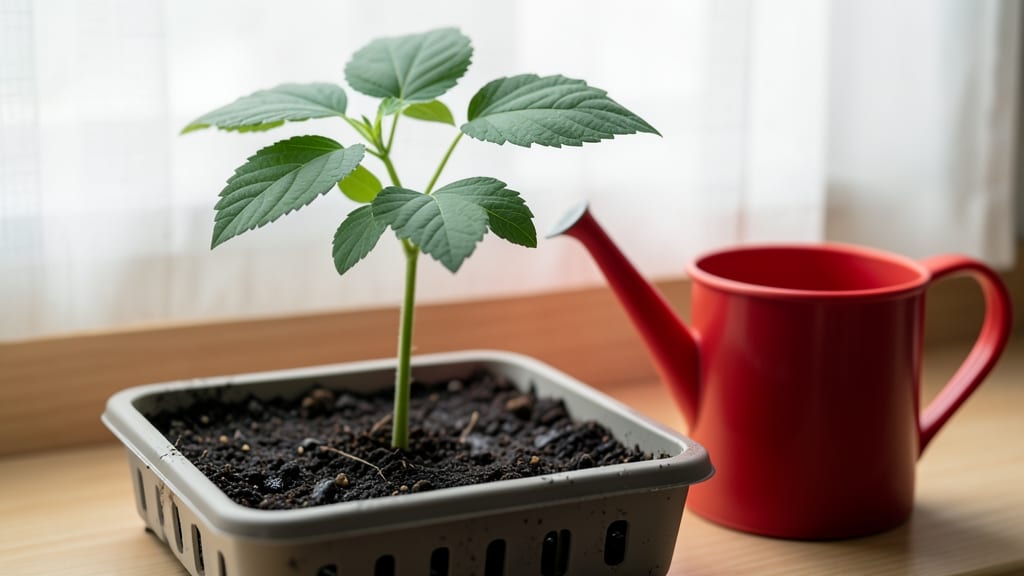
Germination is essentially the awakening of a seed's life cycle—when it breaks dormancy to grow into a new plant. 🌱 The process begins with the seed absorbing water, which triggers enzymes to break down stored nutrients inside.
This energy fuels the development of the radicle (the first root) and plumule (the embryonic shoot), allowing the seedling to push through the soil surface. Without the right balance of moisture, warmth, and air, seeds simply won't sprout, which is why gardeners pay close attention to these factors.
Understanding germination isn't just about following steps—it's about recognizing how seeds respond to their environment. For example, some seeds, like tomatoes, germinate best in warm soil around 70-85°F, while others, like lettuce, prefer cooler conditions near 60-70°F.
Even the depth at which you plant seeds matters: larger seeds need more soil coverage to protect their stored energy, while tiny seeds should barely be covered at all. These details make all the difference between a thriving garden and a failed planting attempt.
💡 In This Article
- The Science Behind Seed Germination Stages
- Optimal Conditions for Successful Seed Germination
The science behind seed germination stages
Here's what's actually happening when a seed germinates: it's a carefully orchestrated biological process that begins with imbibition, where the seed absorbs water through its semi-permeable seed coat. This triggers metabolic reactions that awaken the dormant embryo inside.
The water activates enzymes like amylase, which break down stored starches into sugars that fuel growth. Without this initial water uptake, the seed's biochemical pathways remain dormant, and no growth occurs. 🔥
The first visible sign of life is the emergence of the radicle, the embryonic root that grows downward into the soil. This happens within 3-10 days for most common garden seeds, depending on species and conditions.
The radicle's primary function is to anchor the seedling and begin absorbing water and nutrients from the surrounding soil. Meanwhile, the plumule (the embryonic shoot) remains coiled within the seed until conditions are right for upward growth.
What's fascinating is that these structures are already fully formed within the seed—they just need the right environmental triggers to activate.
Temperature plays a critical role in regulating this process. Most garden seeds germinate best within a 60-85°F range, but some have specific requirements—like pepper seeds, which need 75-90°F to break dormancy. Too cold, and enzymes work too slowly; too hot, and proteins denature.
Light exposure also matters: some seeds (lettuce, spinach) need light to germinate, while others (beans, tomatoes) prefer darkness. The seed's hormonal balance—particularly gibberellins and abscisic acid—regulates these responses, acting like nature's on-off switch for growth.
Soil pH can make or break germination success. Most seeds prefer a neutral pH (6.0-7.0), but some have specific needs—like blueberries, which require acidic soil (pH 4.5-5.5). Extreme pH levels disrupt nutrient availability and enzyme function.
Even oxygen levels matter: seeds need well-draining soil to prevent suffocation from excess moisture. The interplay between these factors explains why some seeds germinate reliably while others fail—it's not just about planting them, but creating the perfect micro-environment for their biochemical processes to unfold.
What most people don't realize is how quickly these stages progress once triggered. Within 24 hours of proper water uptake, cellular division begins in the embryo. By 48-72 hours, the radicle may break through the seed coat, marking the true beginning of plant life.
This rapid transformation is why gardeners must maintain consistent moisture—once the seed starts germinating, drying out can kill it before the shoot emerges.
The science behind germination reveals nature's precision: every seed carries its own set of instructions for when and how to grow, encoded in its DNA and biochemical pathways. ✨