How To
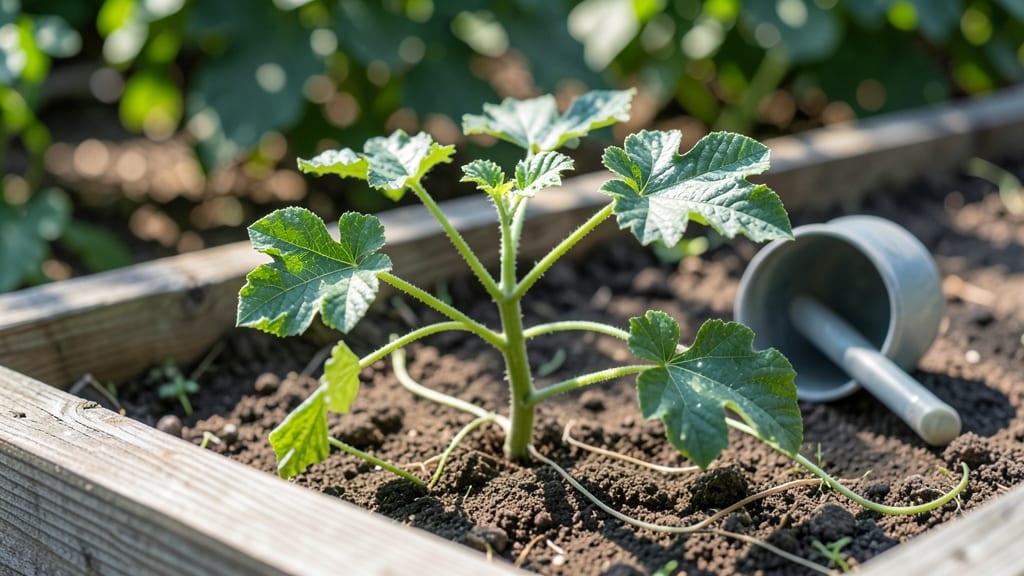
Watermelon seeds sprout fastest in warm soil 🍉 — 3 to 7 days under ideal conditions, but cool temperatures can stretch that to 10 days or more.
Wondering why your watermelon seeds aren’t sprouting fast enough? With the right warmth tricks, you could see tiny green shoots in just 3 days—here’s how to make it happen.
Most gardeners in Zone 6a wait until April or May to plant, but the real secret to speedy germination is keeping the soil between 75°F and 90°F. Too cold, and the seeds stall; too hot, and they dry out before breaking through.
Below, I’ll show you how to create the perfect heat boost—whether you’re using a heat mat, a DIY greenhouse, or just a sunny windowsill—so you can skip the waiting game and get those vines growing.
Watermelon seed germination timeline: what to expect in days (with warmth acceleration)
If you've planted watermelon seeds and are eagerly waiting for those first green shoots to appear, you're not alone. Watermelon seeds typically sprout within 3-7 days under ideal conditions, but cooler soil temperatures can stretch this timeline to 10-14 days.
The key to faster germination lies in maintaining consistent warmth—75-90°F soil temperatures can cut sprouting time by nearly 50%. Let’s break down exactly what to expect at each stage and how to create the perfect environment for your seeds.
Understanding the watermelon seed germination timeline helps you troubleshoot delays and celebrate milestones. Most seeds begin to swell and crack within 24-48 hours of planting when moisture and warmth are optimal. However, if your soil is below 60°F, germination can stall for days or even weeks.
This is why gardeners in cooler climates often use heat mats or start seeds indoors near a sunny window.
Here’s the critical insight: Watermelon seeds need warmth to activate enzymes that break down stored nutrients. Without it, they remain dormant. Even a 10°F drop in soil temperature can double germination time.
For example, seeds planted in 65°F soil might take 10-14 days to sprout, while the same seeds in 85°F soil could emerge in just 3-5 days. That’s why timing is everything—especially if you’re racing against a short growing season.
Now, let’s look at the exact stages of watermelon seed germination and what you should see each day. This timeline assumes you’ve planted seeds ½ inch deep in moist, well-draining soil and maintained consistent warmth. If your conditions vary, adjust your expectations accordingly.
🚨 summary-table 🚨
| Day | Germination Stage | What to Expect | Soil Temp (°F) | Action |
|---|---|---|---|---|
| Day 1-2 | Imbibition | Seeds absorb moisture and swell. No visible sprouts yet. | 75-90°F | Keep soil consistently moist. Cover with plastic wrap if needed. |
| Day 3-4 | Radicle Emergence | White root (radicle) breaks through seed coat. | 75-90°F | Avoid disturbing soil. Monitor for fungal growth. |
| Day 5-7 | Shoot Emergence | Green cotyledons (seed leaves) push through soil. | 70-85°F | Thin seedlings if overcrowded. Provide bright, indirect light. |
| Day 8-10 | True Leaves | First true leaves appear (not cotyledons). | 65-80°F | Transplant outdoors after last frost if soil is warm. |
| Day 10+ | Delayed Germination | Seeds remain dormant. Possible viability issues or cold soil. | Below 65°F | Test seed viability or replant with fresh seeds. |
Day 3-4 is often the most critical window for watermelon seed germination. This is when the radicle (the embryonic root) emerges from the seed. If your seeds haven’t sprouted by Day 5, check your soil temperature with a soil thermometer.
Anything below 70°F will slow or halt germination. At this stage, you might also notice seeds developing a fuzzy mold if they’re too damp or lack airflow. Gently remove any moldy seeds to prevent spreading.
By Day 5-7, you should see the first green cotyledons breaking through the soil surface. These aren’t true leaves but the seed’s first food source. If you’re using black plastic mulch or seedling trays, ensure they’re not trapping excess moisture, which can lead to damping-off disease.
At this point, place your seedlings near a south-facing window or under grow lights for 12-14 hours of light daily. Without enough light, seedlings become leggy and weak, which can stunt their growth later.
If your seeds still haven’t sprouted by Day 10, it’s time to investigate. Common culprits include old or low-quality seeds, improper planting depth (too deep), or inconsistent moisture. To test seed viability, soak 10 seeds in warm water overnight.
If fewer than 80% swell, your seeds may not be viable. In this case, replant with fresh seeds and focus on maintaining 75-90°F soil temperatures to speed up the process.
One of the biggest mistakes gardeners make is assuming watermelon seeds will sprout quickly in cool conditions. For example, planting in 50°F soil can extend germination to 2-3 weeks.
To avoid this, use a seedling heat mat ($20-$30) or place your seed trays on top of your refrigerator (which emits subtle warmth). Even a 5°F increase in soil temperature can
3 Proven warmth tricks to speed up watermelon seed sprouting in 3 days
Watermelon seeds need consistent warmth to break dormancy, but many gardeners struggle with slow germination. The key to seeing those first green shoots in just 3 days lies in creating the right conditions.
Watermelon seeds typically sprout in 5-10 days at room temperature, but with targeted warmth, you can cut that time nearly in half. Let’s explore three actionable tricks to accelerate germination without overcomplicating the process.
First, understand that watermelon seeds thrive in soil temperatures between 75-90°F. If your seeds aren’t sprouting within a week, it’s likely due to cool soil or inconsistent moisture. The good news?
You don’t need expensive equipment—just a few clever adjustments. Whether you’re planting indoors or outdoors, these methods will give your seeds the boost they need to break through the soil faster.
Once you’ve set up your warmth source, don’t overlook the importance of moisture balance. Watermelon seeds need consistently damp (not soggy) soil to germinate. Use a spray bottle to mist the soil lightly every 1-2 days, ensuring the top inch stays moist but not waterlogged.
Overwatering can suffocate seeds, while underwatering halts growth entirely. Aim for a 60-70% moisture level in the soil.
After implementing these tricks, monitor your seeds closely. You should see the first signs of sprouting—tiny white roots breaking through the seed coat—within 24-48 hours under optimal conditions.
Once sprouts appear, reduce the heat source slightly to prevent leggy growth. Remember, watermelon seedlings are sensitive to extreme heat; maintain soil temps between 70-80°F once they emerge.
Pro tip: If you’re planting outdoors, wait until soil temps naturally reach 70°F or higher before sowing. Use a soil thermometer to check—this simple tool can save you weeks of waiting.
For early starts, consider using black plastic mulch to absorb and retain heat in the soil, creating a warmer environment for your seeds.
With these warmth tricks, you’ll transform your patience into actionable results. Watermelon seeds that once took 10+ days to sprout can now break through the soil in just 3 days—giving you a head start on the growing season. Happy planting! 🌱