
Lawn
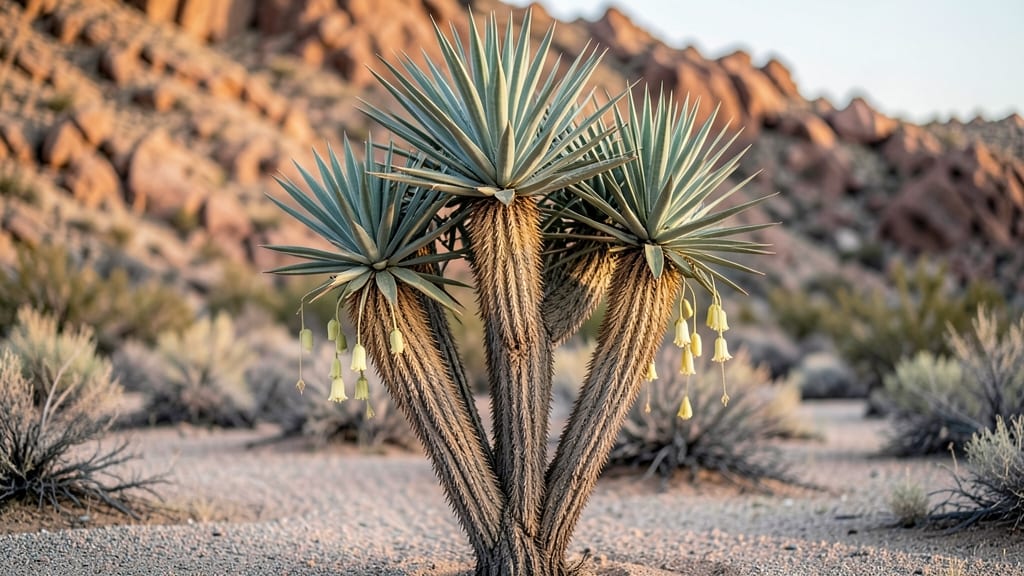
Growing Joshua tree seeds is a long game that rewards patience with striking desert beauty. 🌵 These iconic trees take three years just to sprout, but once they do, their silvery-green branches become the centerpiece of any arid landscape.
The key isn't rushing them—it's mimicking their natural desert conditions from day one.
You'll need a well-draining soil mix (think cactus soil with extra perlite), a shallow tray, and a warm, sunny spot that mimics their Mojave home. Most people fail because they treat these seeds like annuals—Joshua trees need consistency, not coddling.
Start them indoors under grow lights in late winter, and they'll slowly build the resilience needed for outdoor planting.
By year three, you'll see those first true leaves—small, fleshy, and nothing like the mature tree's dramatic silhouette. The growth is glacial, but each inch brings you closer to a 10-foot specimen that thrives on neglect.
These trees aren't just plants; they're living desert art that transforms any yard into a piece of the Southwest.
Fair warning: they're not for everyone. If you're in a humid climate, forget it—these trees demand dry air and full sun. But for gardeners in zones 8-11 with hot summers and minimal winter chill, they're the ultimate low-maintenance statement plant.
The real magic happens when you let them grow wild, just like in their native habitat.
📚 In This Guide
- What you need
- Instructions
- Tips and common mistakes
- Wrapping up and next steps
What you need
- ● Joshua Tree Seeds: 10–20 seeds (fresh or stored properly; avoid refrigerated seeds—they may not germinate).
- ● Seed Starting Mix: 1–2 gallons of cactus/succulent soil blend (sterilized, well-draining). Mix in 20% perlite or pumice for extra aeration.
- ● Containers: 4–6 4-inch diameter pots (or a single shallow tray with drainage holes).
- ○ Optional: Seed trays with clear lids for humidity control.
- ● Growing Lights or Sunny Window: A south-facing window or LED grow lights (12–16 hrs/day) for seedlings.
- ● Watering Can or Spray Bottle: With a fine mist nozzle (overwatering is the #1 killer!).
- ● Humidity Dome or Plastic Wrap: To retain moisture during germination (remove once sprouts appear).
- ● Fertilizer: Balanced liquid fertilizer (5-5-5 or 10-10-10), diluted to ¼ strength (use sparingly—Joshua Trees hate excess nutrients).
- ○ Heat Mat (Optional): Set to 75–85°F to speed up germination (seeds prefer warmth!).
- ● pH Meter or Test Kit: Ideal soil pH for Joshua Trees: 6.0–7.5.
- ● Pruning Shears: For trimming leggy seedlings later.
- ● Larger Pots (6–8 inches): For transplanting after 6–12 months.
- ● Desert Mulch: Gravel or coarse sand to mimic native conditions (prevents soil compaction).
Step-by-Step instructions for growing Joshua tree seeds
This iconic desert plant thrives with patience and just the right touch of care.
🌱 Step 1: Stratify Seeds for Germination
Joshua tree seeds need a cold period to break dormancy. Place the seeds in a paper towel or moistened sand inside a sealed plastic bag. Store them in your refrigerator for 6-8 weeks—this mimics winter conditions in their natural habitat. Check them every 2 weeks to ensure the sand or towel stays damp but not soggy.
Here's the thing—don't skip this step. Without stratification, germination rates drop dramatically. After 6-8 weeks, remove the seeds and let them sit at room temperature for 24 hours before planting. This transition helps prevent shock when they move to warmer soil.
💧 Step 2: Plant Seeds in Well-Draining Soil
Fill a small pot (3-4 inches deep) with a mix of 50% cactus/succulent soil and 50% perlite or coarse sand. This blend ensures excellent drainage—Joshua trees despise soggy roots. Plant the seeds ¼ inch deep and space them about 1 inch apart to avoid overcrowding as they grow.
Water gently until the soil is moist but not saturated. You'll see the surface feel damp but not glisten with water. After planting, place the pot in a warm, sunny spot. Joshua trees need bright light from the start—no need to wait for seedlings to appear before moving them.
☀️ Step 3: Provide Consistent Heat and Light
Keep the soil temperature between 70-80°F for optimal germination. A heat mat can help maintain warmth if your home runs cooler. Place the pot under grow lights or in a south-facing window for 12-14 hours of light daily. Without enough light, seedlings will stretch and become weak.
Germination can take 4-8 weeks, so patience is key. Once sprouts appear, reduce watering slightly—let the top ½ inch of soil dry out between waterings. Overwatering at this stage is the fastest way to kill young Joshua trees.
🌿 Step 4: Transplant and Care for Young Plants
After 3-4 months, when seedlings have 2-3 sets of true leaves, transplant them to 5-inch pots with the same well-draining soil mix. Handle them gently—they have delicate roots. Place them in a spot with full sun exposure and continue watering sparingly.
Real talk: Joshua trees grow slowly. Don't expect rapid progress. In their first year, focus on keeping the soil dry and the light strong. By year three, you'll start seeing the iconic rosette shape form—worth every moment of waiting!
Tips & tricks for perfect Joshua tree seed germination
Growing Joshua tree seeds takes time, but these little tricks will help you avoid the most common pitfalls and give your desert beauty the best possible start.
The Stratification Secret: The 6-8 weeks of cold stratification in Step 1 is non-negotiable, but here's the thing—don't rush the 24-hour room temperature transition after. This final step helps prevent seed shock when they move to warmer soil. I've found that placing the seeds on a warm windowsill (around 70°F) for those 24 hours works perfectly, mimicking the desert's spring warming.
Soil Mix Matters: For Step 2, I recommend using a 50/50 blend of cactus/succulent soil and perlite, but here's what nobody tells you—rinse the perlite first to remove any dust or fine particles. This ensures your soil stays properly aerated without turning to mud when watered. Trust me on this: Joshua trees hate soggy roots, and this extra step prevents root rot before it starts.
Lighting Strategy: The 12-14 hours of daily light in Step 3 is crucial, but not all light sources are equal. If you're using grow lights, position them just 6-8 inches above the soil. For natural light, a south-facing window works, but supplement with artificial light during winter months when days are shorter. I've seen seedlings stretch dramatically when they don't get enough light—it's heartbreaking after all that waiting!
Patience Pays Off: In Step 4, when transplanting those delicate seedlings, I can't stress enough how important it is to handle them like they're made of glass. Their roots are incredibly fragile, and rough handling can stunt growth for months. Use a small spoon or your finger to gently loosen the soil around the edges before transferring to the new pot. The extra care now means stronger plants later.
Pro Tips for Joshua Tree Seed
- Growing Joshua tree seeds takes time, but these little tricks will help you avoid the most common pitfalls and give your desert beauty the best possible start.
- The Stratification Secret: The 6-8 weeks of cold stratification in Step 1 is non-negotiable, but here's the thing—don't rush the 24-hour room temperature transition after.
- Soil Mix Matters: For Step 2, I recommend using a 50/50 blend of cactus/succulent soil and perlite, but here's what nobody tells you—rinse the perlite first to remove any dust or fine particles.
Frequently asked questions
Got questions about growing Joshua tree seeds? You’re not alone—these desert icons take patience and know-how! Here’s what you need to know before diving in.
How long does it take for Joshua tree seeds to germinate?
Germination can take anywhere from 1 to 3 months, depending on temperature and moisture. Most seeds sprout within 4–6 weeks if kept in warm (70–85°F), well-draining soil. Patience is key—these seeds aren’t in a hurry! Pro tip: Soak seeds overnight before planting to soften the hard outer shell .
Can I grow Joshua tree seeds indoors first?
Yes! Start seeds indoors in a warm, sunny spot (like a greenhouse or bright windowsill) to speed up germination. Use a sterile seed-starting mix and keep soil lightly moist. Once seedlings are 2–3 inches tall, transplant them outdoors after the last frost (they thrive in USDA zones 8–11). Warning: Avoid overwatering—root rot is their nemesis!
What’s the best soil mix for Joshua tree seeds?
A fast-draining blend is critical—mix 50% cactus/succulent soil, 30% perlite or pumice, and 20% coarse sand. Joshua trees hate soggy roots, so add a layer of gravel at the bottom of pots to prevent waterlogging. Bonus: A tiny bit of worm castings boosts nutrients without smothering roots .
Why aren’t my Joshua tree seeds sprouting?
Common culprits: too much water (drowns seeds), cold temps (below 60°F halts growth), or low light (they need 6+ hours of sun daily). Try these fixes:
- Check soil moisture—it should feel damp, not wet.
- Move pots to a sunnier spot or use a grow light.
- Verify seed viability—some seeds need scarification (lightly sanding the shell) to break dormancy.
Are there faster-growing alternatives to Joshua tree seeds?
If you want instant desert drama, consider these low-maintenance options:
- Yucca plants – Grow from seeds or pups; mature in 2–3 years.
- Agave – Thrives in poor soil and blooms spectacularly (but only once!).
- Palo Verde trees – Fast-growing and drought-tolerant.
Wrapping up and next steps
Growing Joshua Tree seeds is a rewarding journey that brings a touch of Mojave Desert magic to your landscape—with just a little patience and care! 🌵✨ Whether you’re a seasoned gardener or a beginner, these resilient plants prove that beauty thrives with minimal effort.
Now that you’re armed with the right knowledge, why not plant a few seeds today and watch your desert oasis bloom in just three years?
Ready to take the next step? Start small—try a few seeds in a pot or a sunny corner of your yard—and let nature do the rest. Happy gardening!