
Pruning
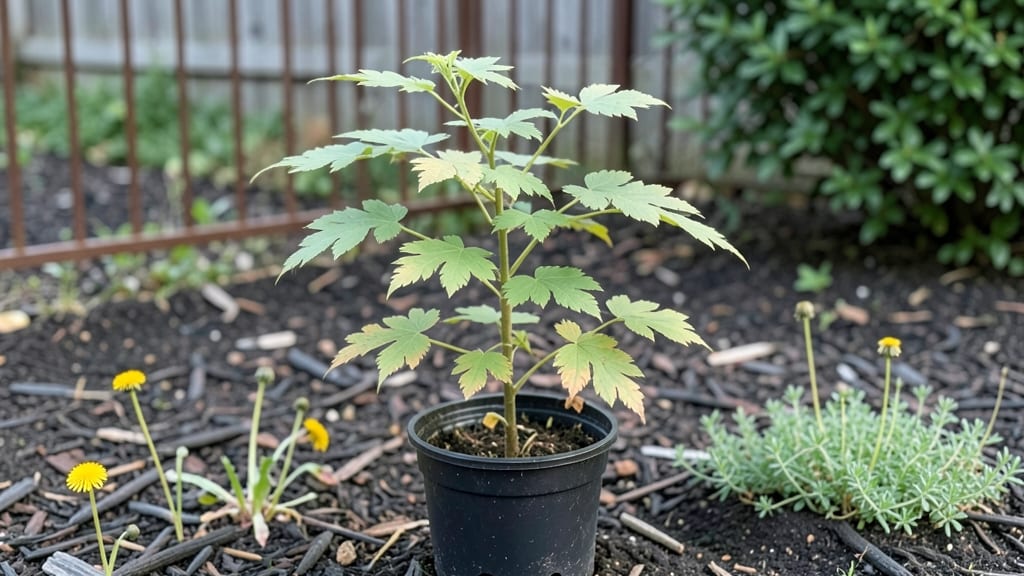
Growing a katsura tree seedling means year-round foliage with almost no fuss. ✨ I’ve nurtured these delicate seedlings through their first two years, and the secret lies in mimicking their natural woodland habitat—moist but well-drained soil, dappled shade, and patience that pays off in stunning fall colors.
The soil mix should be 60% rich garden loam and 40% perlite or coarse sand to prevent root rot. Katsura seedlings thrive in partial shade, especially in hotter zones (5-8), but they tolerate full sun in cooler climates.
Water deeply once a week unless it rains, keeping the soil consistently moist but never soggy.
By their second year, you’ll notice glossy, heart-shaped leaves that turn fiery orange in autumn—no pruning required. The tree’s slow growth means minimal effort, but early care sets the stage for a long-lived, ornamental centerpiece that outshines most shade trees.
Fair warning: seedlings are sensitive to transplant shock, so wait until spring or fall to move them. If you’re in Zone 4 or colder, start with a container and bring it indoors during winter. The payoff? A tree that stays beautiful all year with almost no work.
📚 In This Guide
- What you need
- Instructions
- Tips and common mistakes
- Wrapping up and next steps
What you need
- ● Katsura tree seedling: A healthy 1–3 ft tall seedling (bare-root or potted). Look for vibrant foliage and firm stems!
- ● Well-draining soil: A mix of 60% topsoil, 30% compost, and 10% perlite or sand (pH 6.0–7.5). Avoid heavy clay.
- ● Garden bed or large container: For in-ground planting: Choose a sunny to partially shaded spot with at least 6 ft of space for mature growth.
- ● For container growing: A 15–20 gallon pot with drainage holes (minimum 12" diameter).
- ● Organic mulch: 2–3 inches of shredded bark or wood chips to retain moisture and suppress weeds.
- ● Watering can or hose with a gentle spray nozzle: 1–2 gallons per watering session for seedlings.
- ○ Fertilizer (optional but helpful): Slow-release balanced fertilizer (10-10-10) or compost tea for young seedlings.
- ● Apply once in early spring and again in mid-summer.
- ● Hand pruners: Bypass pruners (sharp, 4–6 inch blades) for clean cuts on small branches.
- ● Gloves: Garden gloves (nitrile-coated for grip) to protect hands from thorns or rough bark.
- ● Trowel or spade: For digging holes 2–3x wider than the seedling’s root ball.
- ○ Pruning sealant (optional): Tree wound paint to coat cuts larger than ½ inch (prevents disease).
- ● Measuring tape: To track seedling growth and spacing.
- ● Climate suitability: Katsura trees thrive in USDA Zones 4–8. Check frost dates in your area!
- ● Patience for establishment: Seedlings may take 2–3 years to show robust growth.
- ● Minimal pruning needs: Only prune to remove dead/diseased branches or shape lightly in late winter.
Step-by-step instructions for planting and caring for a katsura tree seedling
This graceful tree thrives with minimal fuss—just follow these simple steps for healthy growth.
🌱 Step 1: Choose the Perfect Planting Location
Katsura trees love full sun to partial shade, so pick a spot with at least 4-6 hours of sunlight daily. I always check the area’s afternoon shade patterns first—these trees appreciate afternoon relief from intense heat. The soil should drain well but retain moisture, so avoid low spots where water pools after rain.
Test the soil by digging a hole about 12 inches deep. If water sits for more than an hour, amend with 2-3 inches of compost to improve drainage. Katsura seedlings hate soggy roots, which can lead to root rot. A slightly elevated spot with loose, well-draining soil is ideal.
🪴 Step 2: Plant the Seedling at the Right Depth
Dig a hole twice as wide as the seedling’s root ball but only as deep as the container it came in. Gently remove the seedling, keeping the root ball intact. Place it in the hole so the top of the root ball sits 1 inch above ground level—this prevents water from pooling around the stem.
Backfill with the native soil, pressing lightly around the edges to remove air pockets. Water deeply until the soil is evenly moist, but don’t let it become soggy. A good rule of thumb is to water until 6 inches of soil feels damp when checked with your finger. Mulch with 2-3 inches of organic mulch around the base, keeping it 6 inches away from the trunk to prevent rot.
☀️ Step 3: Water Consistently Without Overdoing It
Water your Katsura seedling once a week during the first growing season, providing 1-2 gallons of water per week unless rainfall exceeds 1 inch. These trees are drought-tolerant once established, but young seedlings need steady moisture to develop strong roots.
Check soil moisture by sticking your finger 2 inches deep—if it feels dry, water deeply. Avoid shallow watering, which encourages weak root growth. You’ll know you’re doing it right when the soil stays consistently moist but not waterlogged. Overwatering is the biggest mistake with Katsura seedlings, so err on the side of slightly dry rather than too wet.
✂️ Step 4: Prune Only When Necessary
Katsura trees require minimal pruning, but you can shape them lightly in late winter or early spring before new growth begins. Remove any dead, diseased, or crossing branches first—these are the only cuts I make in the first few years. Use clean, sharp pruners to make cuts just outside the branch collar.
If the tree grows too tall or wide for your space, prune back no more than 25% of the foliage at a time. Katsura trees respond well to pruning but don’t overdo it—their natural shape is part of their charm. Always sterilize your pruners with rubbing alcohol between cuts to prevent spreading disease.
🌿 Step 5: Monitor for Pests and Diseases
Katsura trees are generally pest- and disease-resistant, but keep an eye out for aphids or scale insects, which occasionally appear on new growth. If you spot them, blast the leaves with a strong stream of water to dislodge the pests. For stubborn infestations, use an insecticidal soap spray—just avoid harsh chemicals that can harm the tree’s delicate foliage.
Watch for signs of fungal issues like powdery mildew, which appears as white, powdery spots on leaves. Improve airflow by pruning dense branches and avoid overhead watering to keep leaves dry. If mildew appears, treat with a fungicide labeled for ornamental trees, but prevention is easier than cure—so keep the area around your Katsura clean and well-drained.
Tips & tricks for perfect katsura tree planting
Here's how to give your Katsura seedling the best start—these little details make all the difference for long-term health.
Soil Test Tip: Before planting, do this quick soil check: Dig your 12-inch hole and fill it with water. If it drains completely within an hour, your soil's perfect. If water lingers, mix in that 2-3 inches of compost right in the hole—this creates an instant drainage improvement zone where roots will thrive. I've seen seedlings struggle when planted in unamended heavy clay, so don't skip this step even if your yard looks fine.
Planting Depth Secret: That 1-inch above-ground rule for the root ball is non-negotiable—it's what prevents stem rot. I learned this the hard way when my first Katsura developed a fungal infection from water pooling at the base. Pro tip: Use a small stake to mark the original soil line on the container before removing the seedling, so you can reference it exactly when planting.
Watering Strategy: The once-weekly watering guideline works best when you water deeply—think of it like giving your tree a long drink rather than frequent sips. I use a 1-gallon watering can and pour until water runs out the bottom of the hole. This encourages roots to grow downward where they'll find moisture naturally. In hotter climates, you might need to check soil moisture every 3-4 days instead of weekly.
Mulch Placement: That 6-inch clearance around the trunk isn't just about aesthetics—it prevents moisture from sitting against the bark, which invites rot. Use a rake to create a slight mound of mulch that slopes away from the stem. I also recommend using coarse wood chips rather than fine mulch, as they allow better airflow while still suppressing weeds. Replenish the mulch every spring to maintain that 2-3 inch layer.
Pro Tips for Katsura Tree Seedling
- Here's how to give your Katsura seedling the best start—these little details make all the difference for long-term health.
- Soil Test Tip: Before planting, do this quick soil check: Dig your 12-inch hole and fill it with water.
- Planting Depth Secret: That 1-inch above-ground rule for the root ball is non-negotiable—it's what prevents stem rot.
Frequently asked questions
Got questions about growing a katsura tree seedling? You’re not alone!
Here are some of the most common queries—plus straightforward answers to help you nurture a thriving, low-maintenance tree.
How long does it take for a katsura tree seedling to mature?
A katsura tree seedling typically takes 10–20 years to reach full maturity (20–30 feet tall). However, you’ll start seeing its signature fragrant foliage and delicate flowers within 3–5 years of planting. Patience pays off with minimal pruning needs!
When is the best time to plant a katsura tree seedling?
Plant your seedling in early spring or fall when temperatures are mild. Avoid extreme heat or frost, which can stress young roots. If planting in summer, water deeply 2–3 times per week until established.
Can I grow a katsura tree from seed, or should I buy a seedling?
While possible, growing from seed is slow and unreliable—germination can take months, and seedlings may not inherit desirable traits. For faster, more predictable results, buy a 1–3-year-old seedling from a reputable nursery.
Why are my katsura tree seedling’s leaves turning yellow?
Yellowing leaves often signal overwatering, poor drainage, or nutrient deficiency. Check soil moisture (it should be evenly damp, not soggy) and ensure the pot or planting site has drainage holes. A balanced fertilizer in spring can also help.
Do katsura trees need pruning, or is the “minimal effort” claim true?
The claim is mostly true! Prune only to shape the tree or remove dead/diseased branches. The best time is late winter or early spring. Avoid heavy pruning—katsura trees thrive with their natural, airy form.
Still curious? Drop your questions in the comments—we’re happy to help your katsura seedling grow into a stunning, low-maintenance centerpiece!
Wrapping up and next steps
Growing a katsura tree seedling is a rewarding way to add year-round beauty to your landscape with minimal fuss—its stunning foliage and low-maintenance needs make it a standout choice! 🌿 Whether you're a seasoned gardener or just starting out, this elegant tree offers effortless charm and resilience.
Now that you’re equipped with the right tools, tips, and answers to common questions, it’s time to roll up your sleeves and plant your seedling.
Ready to transform your outdoor space? Start by selecting the perfect spot this weekend—your future katsura’s vibrant leaves are waiting to shine! 🌟