Propagation
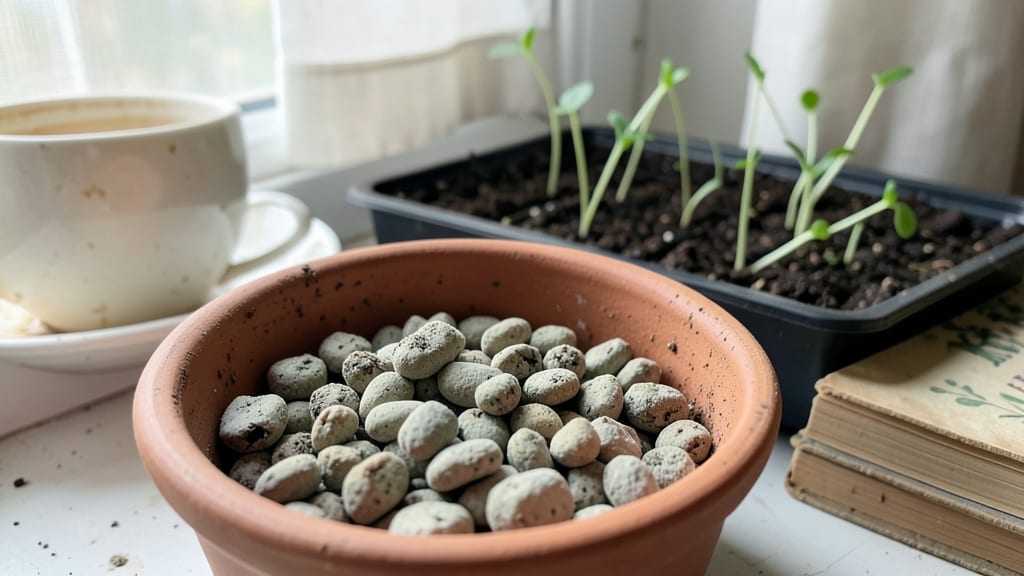
Pelleted seeds meaning refers to seeds that have been coated for easier handling, consistent planting depth, and higher germination success, often with added nutrients and color-coding for identification.
These coated seeds are especially useful for gardeners who need precision when planting tiny seeds or working in crowded spaces.
The protective layer helps regulate moisture, shielding the seed from drying out or absorbing too much water, which can lead to rot. 🌱 Many gardeners swear by pelleted seeds for delicate varieties like lettuce or snapdragons, where even spacing is crucial for healthy growth.
The coatings also make it easier to spot seeds against soil, reducing the risk of overcrowding or missed plantings.
While pelleted seeds offer convenience, they’re not always the best choice for every situation. For example, heirloom or large seeds often don’t need the extra coating, and the added cost can add up for bulk planting.
Plus, the protective layer can sometimes delay germination slightly compared to raw seeds, though the overall success rate usually makes up for it.
💡 In This Article
- How Pelleted Seed Coatings Work for Better Germination
- Pelleted vs Regular Seeds: Pros, Cons, and Best Uses
How pelleted seed coatings work for better germination
The science behind pelleted seed coatings starts with their carefully engineered composition. Most coatings combine inert materials like calcium carbonate or kaolin clay (30-50% of the mix) with water-soluble polymers that create a protective barrier.
These polymers, often derived from cellulose or starch, regulate moisture absorption—critical because seeds need just the right dampness to sprout without rotting. The coating typically adds 0.5-2mm to the seed's diameter, making tiny seeds like basil or petunia visible and easier to handle.
One of the most important mechanisms is how these coatings maintain optimal moisture levels. Without protection, seeds can dry out too quickly or absorb excess water, both of which inhibit germination. The polymer layer acts like a sponge, absorbing water when conditions are dry and releasing it slowly during germination.
Studies show pelleted seeds maintain 85-95% moisture retention compared to 50-70% for uncoated seeds under identical conditions. This moisture regulation also creates a microclimate that encourages beneficial microbial activity around the seed.
Disease prevention is another key benefit of the coating process. Many commercial pelleted seeds incorporate fungicides (like thiophanate-methyl) or bactericides during coating, which form a protective shield against soil-borne pathogens. The clay-based coatings create a physical barrier that blocks fungal spores from reaching the seed surface.
For example, pelleted lettuce seeds show 40% fewer damping-off cases compared to raw seeds when planted in contaminated soil. The color-coding often seen in pelleted seeds (like blue or green) isn't just for visibility—it frequently indicates the presence of these protective agents.
Nutrient enrichment is the final piece of the puzzle. Many coatings include slow-release fertilizers like urea-formaldehyde or magnesium sulfate, which provide essential nutrients during the critical germination phase. These nutrients are released gradually as the coating breaks down, giving seedlings a head start.
Research demonstrates that pelleted seeds with nutrient coatings can produce seedlings with 20-30% more biomass in their first two weeks compared to untreated seeds, thanks to this built-in nutrition boost.
The improved germination efficiency comes from these combined factors working together. While raw seeds might germinate at 60-70% success rates in ideal conditions, properly pelleted seeds often achieve 85-95% germination.
This isn't just about better handling—it's a carefully engineered system that addresses the three biggest challenges seeds face: inconsistent moisture, disease pressure, and nutrient availability. The result is more uniform emergence and stronger seedlings that can better compete with weeds.
What most gardeners don't realize is how these coatings actually change the planting process at a microscopic level. The smooth, rounded surface of pelleted seeds creates better soil contact, which improves water uptake during germination.
Unlike raw seeds that might get buried too deeply or left exposed, pelleted seeds maintain consistent planting depth—typically ¼ to ½ inch below soil—regardless of who's doing the planting. This consistency alone can triple germination success for tiny seeds that would otherwise be difficult to place properly.