
Propagation
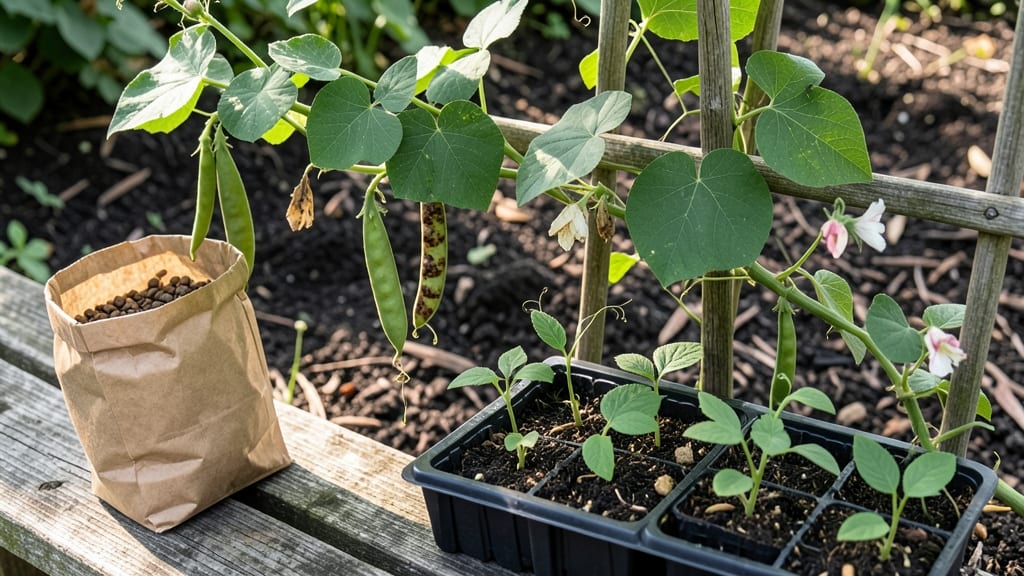
Seeds can reproduce by sprouting into new plants when conditions like moisture, warmth, and oxygen align—but they depend entirely on parent plants to create them first. Unlike animals or flowering plants, seeds themselves cannot generate offspring independently.
Seeds kick off their life cycle through a process called germination, where stored nutrients inside the seed fuel early growth until the plant can photosynthesize. 🌱 This happens in three key stages: the seed absorbs water (imbibition), the root (radicle) breaks through the seed coat, and finally, the shoot emerges.
What's fascinating is how seeds "wait" for perfect conditions—some even require cold periods (stratification) or scarification (scratching the seed coat) to break dormancy. Without these triggers, seeds can stay viable for years but never grow.
While seeds themselves can't reproduce like animals do, their parent plants play a crucial role by producing them through pollination and fertilization. Once released, seeds spread via wind, water, or animals, each carrying a tiny but powerful potential to grow into a full plant—if the environment cooperates.
This two-step process (parent plant + germination) is what makes seeds such resilient survival tools in nature.
💡 In This Article
- The Germination Process: How Seeds Grow into Plants
- Factors That Prevent Seed Germination and How to Fix Them
The germination process: how seeds grow into plants
Here's what's actually happening when a seed sprouts: the process begins with imbibition, where the seed absorbs 50-100% of its dry weight in water within hours. This triggers metabolic reactions that awaken dormant enzymes like amylases, which break down stored starches into sugars for energy.
The seed's outer layers soften as water pressure builds, preparing for the next critical phase. 🌱 This hydration phase is so precise that some seeds (like lotus) can remain viable for 1,300 years while waiting for the right moisture trigger.
The second stage involves the radicle—the embryonic root—emerging first through the seed coat, usually within 24-72 hours under ideal conditions. This downward growth anchors the seedling and begins absorbing water and nutrients from the soil.
What's fascinating is how hormones like gibberellins coordinate this: they signal the aleurone layer to release enzymes that mobilize the seed's food reserves. Without these chemical messengers, the seed would remain dormant even with adequate water.
Temperature plays a crucial role here—most seeds germinate best between 60-85°F, though cold-loving species like alpine plants need near-freezing conditions to break dormancy.
Shoot growth marks the final stage, where the plumule (future leaves) pushes upward through the soil. This phase requires light for photosynthesis to begin, though some seeds (like sunflowers) can emerge in darkness before reaching for sunlight.
The seed's stored energy—often 20-30% of its weight in oils or starches—fuels this early growth until the plant can sustain itself.
What most people don't realize is that this entire process can be derailed by anaerobic conditions (lack of oxygen) or extreme pH levels—soil that's too acidic or alkaline can halt germination entirely.
Light also plays a surprising role in some species. Photoblastic seeds (like lettuce) require light to germinate, while others (like morning glories) need complete darkness. This adaptation explains why gardeners sometimes struggle with inconsistent germination—what works for tomatoes might fail for basil.
The seed's sensitivity to light is controlled by phytochrome pigments that detect red and far-red wavelengths, acting like biological switches for growth. 🌿 This explains why some seeds buried too deep never sprout, even with perfect moisture and temperature.
Consider these key factors when trying to germinate seeds at home:
- Moisture: Maintain consistent dampness (not soggy) with a 50-60% humidity level
- Temperature: Use a heat mat for 70-75°F soil temps for fast germination
- Oxygen: Ensure proper aeration—seeds suffocate in compacted soil
- Light: Cover seeds if they need darkness, or provide 12-16 hours of light for photoblastic types
The entire germination process is nature's way of ensuring seeds only grow when survival conditions are optimal. This explains why some seeds wait decades for the perfect storm of moisture, temperature, and light—making them one of nature's most patient survival strategies. 💫