Planting
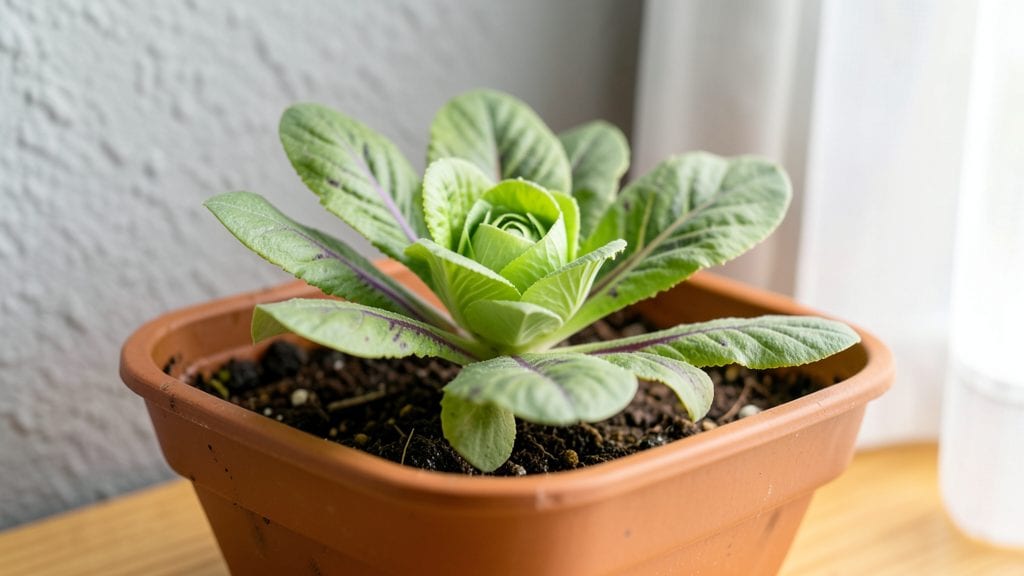
Mastering plant seedling identification by leaf shape and stem color can spare you the heartbreak of yanking out your $10 tomato plants—only to find they’re weeds. 🌱 I’ve spent years squinting at tiny sprouts, and the difference between a thriving garden and a frustrating... one often comes down to those first few weeks.
A single misidentified seedling can throw off spacing, sunlight exposure, and care routines—but once you learn the key traits, it becomes second nature.
The secret isn’t memorizing every plant’s Latin name—it’s noticing the details that matter most. Broadleaf lettuce seedlings have rounded, smooth edges, while tomato seedlings sport jagged, serrated leaves and a sturdier stem.
Even the color of the stem can tell you whether you’re looking at a basil sprout (reddish-purple) or a weed (slimy green). With just a magnifying glass and a few minutes, you’ll spot the differences that lead to a thriving garden.
By the end of this guide, you’ll confidently tell your peppers from your parsley, your marigolds from your mint, and avoid the heartbreak of yanking out the wrong plants.
No more guessing games—just clear visual cues that turn those tiny sprouts into the foundation of your harvest. Let’s get those seedlings identified the right way.
This method works for herbs, vegetables, and flowers, whether you’re starting from seed trays or a wild patch in your yard. The same principles apply whether you’re a beginner or a seasoned gardener—just focus on the details that make each plant unique.
Ready to stop second-guessing and start growing with confidence?
📚 In This Guide
- What you need
- Instructions
- Tips and common mistakes
- Wrapping up and next steps
What you need
- ● Magnifying glass (3x–10x magnification) – For close-up inspection of leaf veins, texture, and fine details.
- ○ Field guide or plant ID app – Optional but helpful: Use blank">PictureThis, blank">PlantNet, or a printed guidebook (e.g., National Audubon Society Field Guide to North American Wildflowers).
- ● Notebook & pencil – To sketch leaf shapes, note stem colors, and jot down observations.
- ● Ruler (metric or imperial) – Measure leaf length, width, and spacing for precise comparisons.
- ○ Gloves (optional but recommended) – Protect your hands from prickly stems (e.g., stinging nettle) or sap.
- ● Camera or smartphone – Capture high-resolution images of leaf arrangement, undersides, and stems for later reference.
- ● Small trowel or tweezers – Gently dig up seedlings (if needed) without damaging roots.
- ● UV flashlight – Reveals hidden patterns in leaves under blacklight (e.g., mint family fluorescence).
- ● pH test kit – Soil acidity can hint at native plant types (e.g., blueberries vs. tomatoes).
- ● Seedling trays or pots – If you’re relocating identified plants for further growth.
- ● Printed cheat sheet – Laminate a leaf shape guide for quick reference outdoors.
How to identify seedlings using leaf shape and stem color
Mastering these two simple traits makes recognizing young plants effortless—no more guessing games.
🌱 Step 1: Examine Leaf Shape First
Leaf shape is the most reliable identifier for seedlings. Hold the plant between your thumb and forefinger to see the full outline. Look for the number of lobes, serrations, or smoothness of the edges. For example, tomato seedlings have oval leaves with jagged edges, while basil leaves are broad with rounded teeth. If the leaf is deeply lobed like a maple, it’s likely a squash or pumpkin.
I always start with the first true leaves—the tiny cotyledons (seed leaves) don’t count. They’re usually simple and round, but the second set of leaves reveals the plant’s true identity. If the leaves are hairy or fuzzy, it’s often a mint family member like oregano or lavender.
🌿 Step 2: Check Stem Color and Texture
The stem color gives clues about the plant’s maturity and health. A reddish or purplish stem often means the seedling needs more light—it’s stretching toward the sun. Healthy stems should be green or light green, indicating balanced growth. If the stem is woody or thick, it’s likely a mature seedling ready for transplanting.
Run your fingers along the stem to feel its texture. Smooth, slender stems belong to fast-growing plants like lettuce or radishes, while hairy or fuzzy stems are common in herbs like thyme or rosemary. Avoid seedlings with yellowing or mushy stems, as this signals disease or overwatering.
✂️ Step 3: Compare to Known Seedling Charts
Use a reliable seedling identification chart as your reference. I keep a printed guide near my seed-starting trays for quick comparisons. Look for visual cues like leaf arrangement (alternate vs. opposite) and overall plant shape. For instance, opposite leaves (paired at each node) often indicate basil or mint, while alternate leaves (staggered along the stem) are common in tomatoes or peppers.
If you’re still unsure, snap a photo and compare it to online databases like the Seedling Identification Guide from gardening forums. Pay attention to details like leaf veins—prominent veins often belong to brassicas (like cabbage or kale), while faint veins suggest herbs or flowers.
💧 Step 4: Test with Gentle Handling
Gently pinch a leaf between your fingers to assess its tenderness or toughness. Soft, delicate leaves belong to young lettuce or spinach, while thick, leathery leaves are typical of succulents or mature herbs. If the leaf feels waxy, it’s likely a squash or cucumber seedling.
Smell the leaves if safe—some seedlings, like dill or cilantro, have a distinct aroma. Avoid crushing leaves from unknown plants, as toxic seedlings (like foxglove) can cause skin irritation. When in doubt, research the plant family before handling.
☀️ Step 5: Note Growth Habits
Observe how the seedling grows over 24-48 hours. Vining plants (like beans or peas) will show tendrils or rapid upward growth, while bushy plants (like tomatoes or peppers) grow stockier. If the seedling leans toward light, it’s etiolated and needs more brightness.
Check the root structure if possible—carefully tip the pot to see if roots are white and fibrous (healthy) or dark and mushy (rotten). Healthy roots confirm the seedling is ready for transplanting, while weak roots mean it needs more time or better conditions.
Tips & tricks for perfect seedling identification
These game-changing insights will help you spot the subtle differences that make all the difference in your garden.
Leaf Shape is Your Best Friend: When examining leaves in Step 1, hold them up to natural light to see the full shape. I've found that comparing seedlings to a reference photo of tomato leaves (oval with jagged edges) or basil (broad with rounded teeth) helps immensely. For tricky cases, try this trick: hold the leaf up to a window and look for shadows that reveal the true shape—sometimes the angle makes a huge difference.
Stem Color Reveals Hidden Clues: In Step 2, pay special attention to the stem's color transition where it meets the leaves. A gradual color change from green to red often indicates light deprivation, while sudden color shifts can signal stress. I've learned that seedlings with stems that darken at the base are often struggling with overwatering—this is a key sign to watch for when checking roots later.
Make a Quick Reference Guide: Create your own cheat sheet by cutting out pictures of common seedlings and organizing them by leaf shape categories. I keep mine in a small binder near my seedling trays. For the 24-48 hour observation period in Step 5, mark your calendar so you don't miss the growth patterns that reveal a plant's true nature. This simple habit has helped me identify dozens of tricky seedlings that looked identical at first glance.
Safety First with Unknown Plants: When testing with gentle handling in Step 4, never crush leaves from plants you can't identify. I've seen gardeners accidentally handle toxic plants like foxglove, which can cause skin irritation. If you're unsure, do a quick online search for the plant family before touching. For extra safety, wear gloves when handling unknown seedlings until you're certain of their identity.
Pro Tips for Plant Seedling Identification
- These game-changing insights will help you spot the subtle differences that make all the difference in your garden.
- Leaf Shape is Your Best Friend: When examining leaves in Step 1, hold them up to natural light to see the full shape.
- Stem Color Reveals Hidden Clues: In Step 2, pay special attention to the stem's color transition where it meets the leaves.
Frequently asked questions
Got questions about identifying seedlings? You’re not alone!
Here are some of the most common queries—plus quick, actionable answers to help you grow with confidence.
How do I tell the difference between a weed seedling and a vegetable seedling?
Weed seedlings often have thin, wiry stems and unusual leaf shapes (like jagged edges or lobed patterns). Compare them to your planted seeds’ known traits—e.g., tomato seedlings have serrated leaves, while squash have rounded, lobed leaves. If unsure, pull a few and check roots: weeds often have long, fibrous roots.
When is the best time to identify seedlings for transplanting?
Identify seedlings as soon as they sprout (usually 5–10 days after planting) by comparing leaf shape and stem color to your reference guide. For transplanting, wait until they have 2–4 true leaves (not just the initial seed leaves) and are 1–2 inches tall—this ensures hardier roots. Early identification prevents overcrowding!
What if my seedlings look healthy but I can’t identify them?
Start with leaf arrangement (alternate vs. opposite) and stem texture (hairy vs. smooth). Use a seedling ID app like PictureThis or PlantNet to upload photos. If all else fails, tag them as “unknown” and monitor growth—some plants (like herbs) reveal their identity later. Pro tip: Keep a journal with sketches!
Can I use stem color alone to identify seedlings?
Stem color is a helpful clue but not definitive—e.g., tomato stems are often purple-striped, but so are some peppers. Pair it with leaf shape, growth pattern, and seed packet notes. For tricky cases, check the first true leaves’ veins: netted veins suggest tomatoes, while parallel veins might indicate basil or mint.
What should I do if my seedlings look diseased or deformed?
Isolate the plant immediately! Common issues include damping-off (black, mushy stems), pests (chewed leaves), or nutrient deficiency (yellowing). For damping-off, improve airflow and avoid overwatering. For pests, spray with neem oil. Document symptoms with photos—this helps diagnose problems faster.
| Quick ID Cheat Sheet | Leaf Shape | Stem Color |
|---|---|---|
| Tomato | Serrated, lobed | Green/purple-striped |
| Pepper | Smooth, oval | Green (sometimes purple) |
| Basil | Opposite, pointed | Green, square stem |
Still stuck? Share a photo in gardening forums or tag a local nursery—they often recognize seedlings faster than apps!
Wrapping up and next steps
Mastering plant seedling identification is like unlocking a secret garden—once you spot the clues in leaf shape and stem color, the world of gardening becomes even more exciting! 🌱 Whether you’re a beginner or a seasoned green thumb, these visual cues will help you grow confidence (and thriving plants) with every season.
Ready to take the next step? Grab your magnifying glass, snap a few photos of your seedlings, and compare them to trusted guides (like the ones we’ve shared!). Soon, you’ll be identifying seedlings faster than weeds pop up—and that’s a win for every gardener!